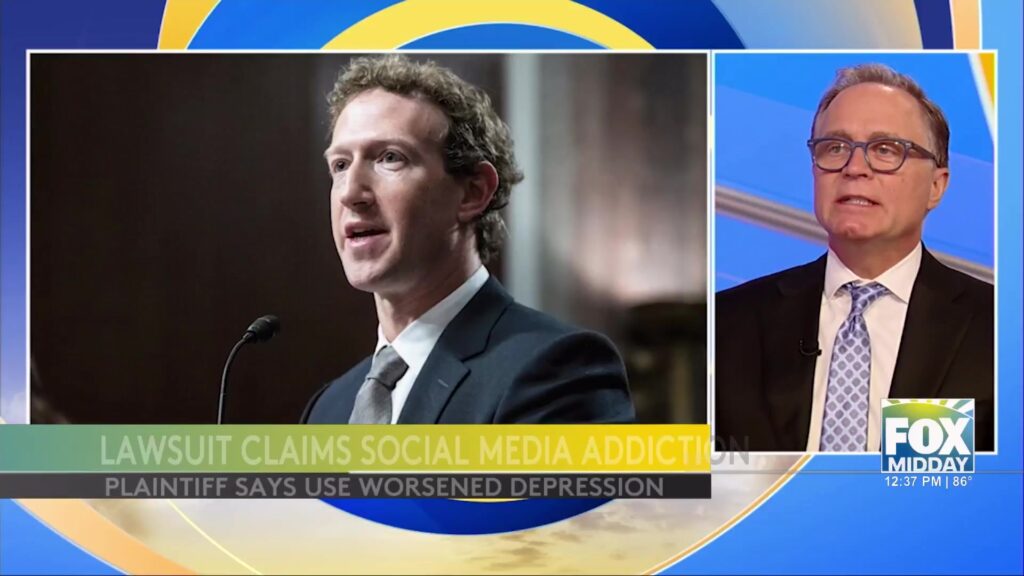
In an unprecedented chapter of technology law, all eyes are on Meta CEO Mark Zuckerberg as he prepares to testify in a landmark trial. This momentous event sees the intersection of societal concerns with technological advancements, focusing on social media's influence and potential culpability in mental health issues. With the backdrop of a Californian courtroom, Zuckerberg's testimony is poised to address a significant question: Can social media platforms be held accountable for the mental well-being of their users, particularly the younger generation?
The trial represents the first occasion where Zuckerberg will be directly questioned by a jury about Facebook and Instagram, two colossal social media platforms under the Meta banner. This case is not only pivotal for Zuckerberg but is also seen as a test of the tech industry's ethical and legal responsibilities towards its users. With millions globally using these applications daily, the broader implications of this trial may reshape the way social networking sites operate and are perceived.
A Legal Battle on Social Media's Impact
The ongoing trial thrusts into the spotlight the conversation about social media's pervasive influence on our lives. It raises critical questions about whether these platforms, engineered to be engaging, have veered into dangerous territory by fostering addictive behaviors. The case was brought to the court by a 20-year-old woman who claims her depression and suicidal thoughts were exacerbated by prolonged use of social media platforms, which she alleges are deliberately addictive.
This lawsuit is built on the assertion that social media companies, like Meta, might have prioritized user engagement over mental health, neglecting the younger audience's vulnerability. The plaintiff's argument hinges on demonstrating that platforms intentionally exploit psychological tactics to boost user statistics, thus, potentially sacrificing the users' mental health for profit.
Allegations of Social Media Addiction
The core of the trial revolves around the concept of "addictive design." Critics argue that features such as infinite scrolling, frequent notifications, and personalized algorithms contribute to compulsive social media use. The claim challenges whether designers of such features intend to cultivate addiction or are simply aiming to create engaging products.
Mark Zuckerberg is expected to mount a defense arguing that social media use is habit-forming but not clinically addictive. He is likely to emphasize the complexity of differentiating between addiction and high engagement while highlighting the social benefits of interconnectedness fostered by platforms like Facebook and Instagram.
The Broader Implications for the Industry
The lawsuit against Meta is a bellwether for the greater technology sector. While companies like TikTok and Snap chose to settle similar allegations outside of court, Meta and Google's YouTube are taking a stand within the legal system. The outcome of this trial could define future regulatory measures, imposing new standards for user safety and well-being on digital platforms.
Should the verdict favor the plaintiff, it could prompt substantial changes to terms of service, content moderation, and engagement strategies across the industry. Social media companies may need to implement and adhere to stricter guidelines that prioritize mental health, potentially altering algorithms to limit addictive elements.
This case could also provoke legislative bodies to codify specific laws around user data protection and psychological safety on digital platforms. Whether viewed as a free speech issue or a public health concern, this trial underscores a broader societal reckoning with the role of technology companies in shaping modern life.
Additional Resources
For further details on social media regulation and safety measures, visit the Federal Communications Commission (FCC) website.