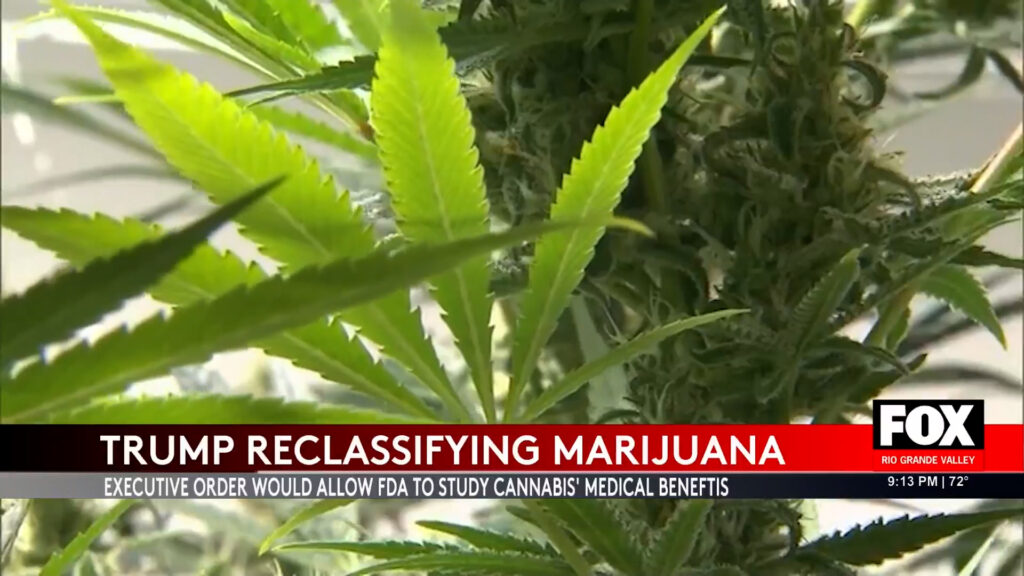
The recent reclassification of marijuana as a Schedule 3 drug under President Trump's executive order is set to revolutionize medical research. Once notorious as a Schedule 1 substance, marijuana was previously deemed as dangerous as heroin and LSD, making research into its medical benefits extremely challenging. This change is expected to open new avenues for studying the drug's potential therapeutic applications, providing a significant boost to the scientific community.
Understanding Marijuana reclassification
The executive order signed by President Trump aims to expedite the reclassification process, positioning marijuana alongside substances like Xanax and Ketamine. This shift acknowledges the growing body of evidence suggesting marijuana's potential benefits for patients suffering from various conditions. However, the reclassification does not equate to legalization, and marijuana remains illegal on a federal level for recreational use.
Republican lawmakers have expressed concerns over this decision, emphasizing the need to protect youth from potential drug abuse. Despite the controversy, advocates argue that reclassification will allow for more comprehensive studies on marijuana's medical benefits, ultimately leading to improved treatment options for patients.
Impact on Medical Research and Society
With marijuana's new status as a Schedule 3 drug, researchers anticipate fewer bureaucratic hurdles, enabling more in-depth studies into its efficacy and safety. This change could propel the development of new medications and treatments, offering hope to millions of patients. The executive order could also influence state policies, encouraging more states to consider the medical merits of cannabis.
Despite the positive outlook for research, the political divide remains evident. Critics argue that reclassification might inadvertently signal a leniency towards drug use, while proponents emphasize the potential health benefits. As debates continue, the official timeline for implementing the reclassification is yet to be determined.
Additional Resources
For more information on this topic, visit the official website of the U.S. Drug Enforcement Administration: DEA.gov.