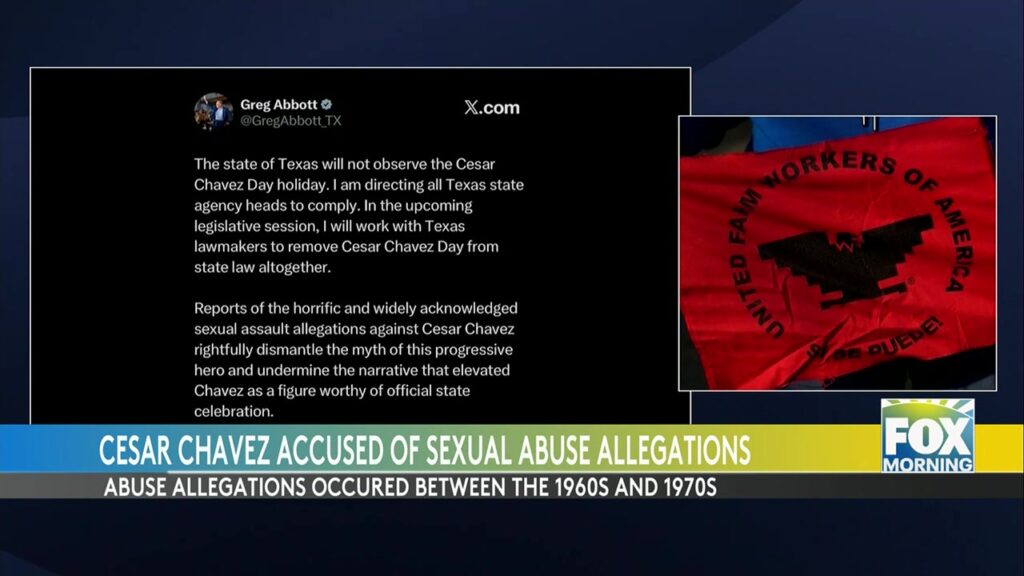
Cesar Chavez, renowned as a labor leader and civil rights activist, played a pivotal role in championing the rights of farm workers during the 1960s and 1970s. His efforts, especially through the United Farm Workers (UFW), an organization he co-founded with Dolores Huerta, brought significant strides in labor conditions across the United States. However, a recent New York Times investigation has brought forth accusations of sexual misconduct against Chavez, casting a shadow over his legacy and sparking nationwide debates.
The investigation, which involved interviews with over 60 individuals and an extensive review of union records and other documents, highlights claims made by Huerta herself. She alleges that she experienced two encounters with Chavez, one against her will and another under duress, both of which resulted in pregnancies. Describing herself as a survivor and not a victim, Huerta's revelations mark a significant moment in reassessing the history of the labor rights movement and its figures.
Allegations Come to Light
The report from The New York Times has put a spotlight on previously unacknowledged aspects of Chavez's life. It underscores the complexities of his character and leadership style, as well as the often-overlooked experiences of women within the labor rights movement. Dolores Huerta's decision to come forward not only redefines the narrative surrounding the UFW but also amplifies the voices of other possible survivors who may have been silent for decades.
These allegations have disrupted the image of Chavez as a purely saintly figure dedicated to the betterment of farm workers' lives. Instead, they offer a more nuanced view, inviting a deeper conversation about power dynamics and accountability in social movements. Huerta, in her statements, emphasizes the need to continue supporting the cause of labor rights, urging the public to separate the movement's achievements from the personal actions of its leaders.
Community Impact
The revelations have reverberated through communities that once revered Chavez for his tireless advocacy for improved labor conditions. The decision by La Unión del Pueblo Entero not to partake in this year’s Cesar Chavez Day reflects the growing discomfort and need to reevaluate how his legacy should be honored. Across major Texas cities, including places like Austin, San Antonio, and the Rio Grande Valley, the usual celebrations have been canceled or significantly altered.
This reaction underlines the broader implications of such allegations for community morale and the historical memory of Chavez’s contributions. For many, his work remains a cornerstone of labor rights advancements. However, the ethical questions raised by the allegations prompt a reconsideration of how to reconcile his contributions with the accusations against him. Community organizers are now challenged to address this dichotomy while continuing to honor and advocate for the ideals of social and labor justice.
National Reaction
At the national level, the response to the allegations has been significant, with figures like Texas Governor Greg Abbott taking decisive action. The state’s decision not to observe Cesar Chavez Day this year marks a pivotal moment in how communities and states choose to acknowledge historical figures with complex legacies. Lawmakers are engaging in discussions about potentially renaming or revoking the recognition of Chavez's holiday altogether, highlighting how public support can quickly waver in light of new information.
This situation reflects a broader societal trend of re-examining past leaders and historical figures as more information about their lives and actions comes to light. For some, this means reassessing the impact of Chavez’s life's work, while others believe it's essential to focus on the movement and its goals rather than the individuals at its forefront. The debate continues, echoing larger conversations about accountability, legacy, and the evolution of social movements.
Additional Resources
For more information on the history of labor rights and to explore in-depth historical documentation, visit the Library of Congress at loc.gov.