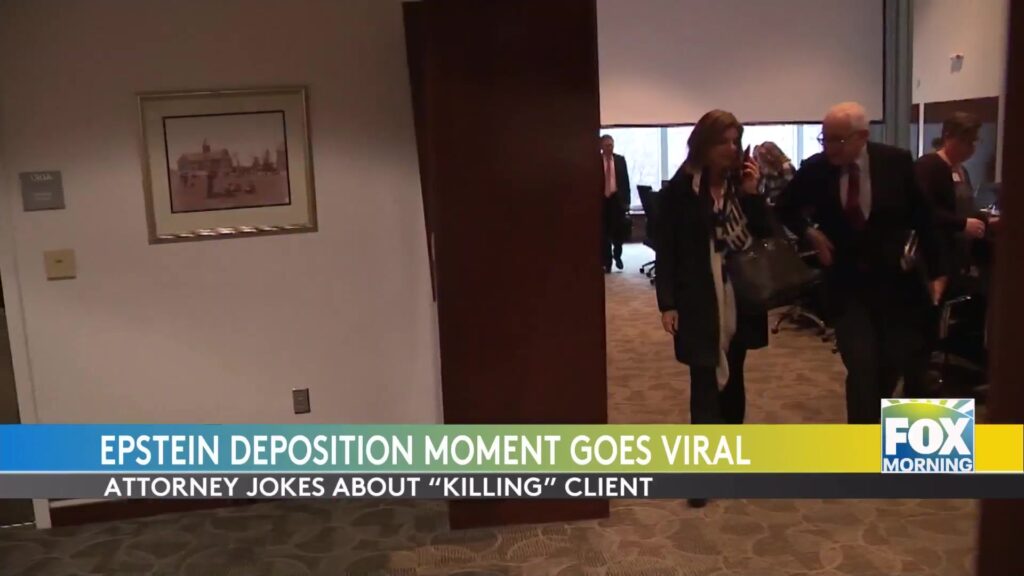
The Jeffrey Epstein case continues to capture the nation’s attention, revealing complex entanglements and high-profile figures ensnared in its web. Among these is Les Wexner, the former CEO of Victoria's Secret, whose involvement with Epstein has come under renewed scrutiny. This week, Wexner's deposition before the U.S. House Oversight Committee took an unexpected turn, creating a media frenzy. The viral moment occurred when Wexner's attorney, during a five-hour deposition, jokingly threatened to 'kill' Wexner if he didn't keep his answers brief. Although meant in jest, it underscored the pressure and tension inherent in the investigation.
The attorney's gaffe highlighted the seriousness of Wexner's testimony, as questions centered on his financial ties with Epstein, a convicted sex offender whose nefarious activities have implicated numerous public figures. While Wexner maintains he was misled by Epstein and severed relations nearly two decades ago, this high-profile deposition continues to fuel speculation and inquiry into Epstein's extensive network.
The deposition was part of the House Oversight Committee's ongoing probe into Epstein’s dealings, aiming to shed light on his crimes and networks, and critically assess the lapses in governmental oversight that allowed his criminal activities to persist.
High-Profile Deposition Draws Attention
The spotlight returned to Les Wexner, who appeared before the Committee to address allegations surrounding his longstanding association with Jeffrey Epstein. This intense session of testimony was not just about Epstein's crimes but sought to unravel the full extent of elite connections that may have facilitated his operations.
The attention surrounding this deposition was further amplified by the viral hot-mic moment. The attorney's offhand remark and subsequent shared laughter with Wexner momentarily softened the grave nature of the proceedings, yet the implications of Wexner’s financial relationship with Epstein continued to dominate headlines.
Context of the Deposition
During the nearly five-hour questioning, Wexner categorically denied any involvement in Jeffrey Epstein's illegal activities. He portrayed himself as a victim who was manipulated by Epstein’s charm and deceit. Despite his claims, Wexner's substantial financial relationships and the extensive control Epstein had over Wexner's assets remain key areas of investigation.
The deposition aimed to dissect the financial dynamics and discern whether Wexner inadvertently facilitated any unlawful activities. Wexner has been forthright about his hindsight regrets, emphasizing he distanced himself from Epstein once the latter's nefarious activities came to light. However, this narrative is being carefully examined for inconsistencies or oversight.
Continued Examination and Public Interest
The oversight committee’s rigorous inquiry into Wexner’s ties is part of a broader effort to unravel the complexities of Epstein’s network, which involved significant financial, political, and social institutions. Public interest remains high, as every deposition and document release brings potential revelations about the extent of complicity or negligence by influential figures.
Even as Wexner insists he had no knowledge of Epstein’s criminal conduct, these interrogations are crucial for transparent legal accountability. For the public and the media, the broader implications of the Epstein case reflect systemic issues in affluent networks, where power and privilege often eclipse justice and ethical conduct.
Additional Resources
For more information on financial crimes and ongoing legislative investigations, readers can visit U.S. House Committee on Oversight and Reform. This resource provides access to reports, hearings, and documents critical for understanding the multifaceted investigations involving Epstein and his affiliates.