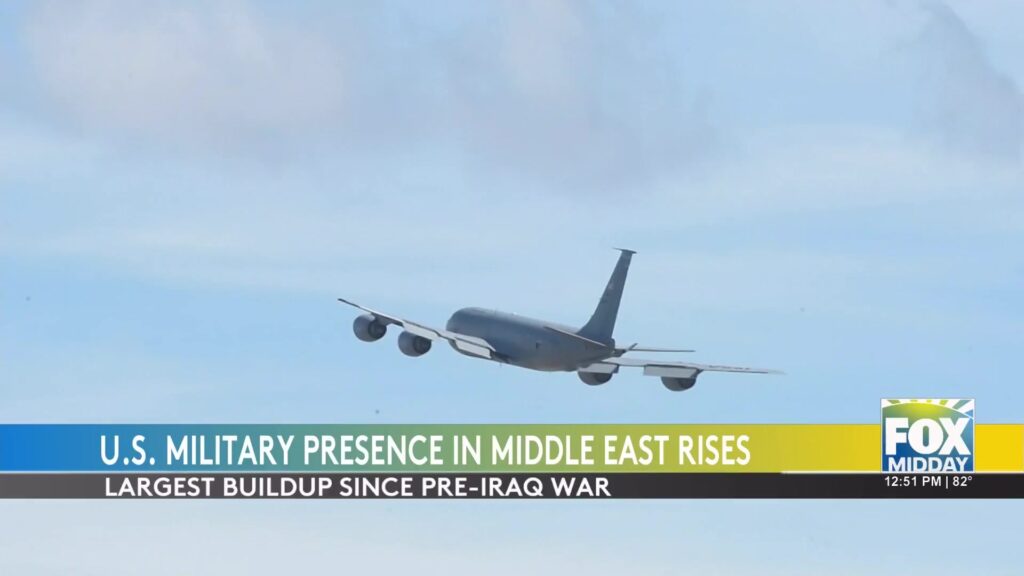
The Gulf of Oman has recently become a focal point for international military activity, highlighting rising geopolitical tensions. Iran and Russia's joint naval exercises there have underscored the volatile nature of regional dynamics, compelling the United States to ramp up its military presence in the Middle East. The drills, which included live-fire operations and simulated vessel seizures, signify a sharpening of military readiness in an area that remains a linchpin for global oil supply routes and strategic interests.
This development comes at a time when the alternative to reaching a new nuclear deal with Iran seems increasingly likely to involve military confrontation. As discussions around a potential agreement remain fraught with challenges and skepticism from both sides, these military operations serve as a reminder of the stakes involved.
Fox News' Chief National Security Correspondent, Jennifer Griffin, reported on the rising threats in the Strait of Hormuz, emphasizing the significant naval mobilizations by Iran and Russia during the life-fire drills. The exercise has sent ripples of concern across the global community, who fear further escalation could destabilize an already precarious region.
Strategic Movements
The United States, responding to the heightened tensions, has undertaken one of its largest military buildups in the Middle East since the Iraq War. Over 120 warplanes have been deployed, including advanced aircraft like F-15 fighter jets, stealth F-35s, and a formidable squadron of F-22 Raptors. These deployments are viewed as a strategic deterrence mechanism aimed at ensuring the security of U.S. interests and those of their allies. Moreover, the presence of KC-135 refueling tankers further emphasizes the commitment to maintaining operational readiness over prolonged periods.
In an unexpected twist, six of the F-22 Raptors, key components of U.S. air superiority, had to return to their base due to technical issues, delaying their arrival in the U.K. These movements highlight the logistical challenges and the sheer scale of coordinating such expansive military operations.
International Reaction
Global reaction to these developments has been mixed. The alliance between Iran and Russia has further complicated diplomatic efforts, invoking concerns in capitals around the world. Notably, tensions have flared between U.K. Prime Minister Keir Starmer and former U.S. President Donald Trump regarding the use of Royal Air Force bases for any potential military actions. The U.K., like many of its European counterparts, remains wary of escalating military engagements in the region.
Middle Eastern nations such as Saudi Arabia, the UAE, and Qatar have communicated their reluctance to permit the use of their airspace for offensive operations against Iran. This stance reflects a nuanced diplomatic effort to mitigate the risk of regional escalation while also safeguarding their national security interests amidst the ongoing tensions.
Moreover, reports from Israel have indicated sightings of unmarked aircraft believed to be carrying U.S. special operations forces, suggesting preparations for contingency operations if diplomatic efforts fail to yield a satisfactory resolution.
Diplomatic Efforts and Future Outlook
Despite the intimidating show of military strength, diplomatic channels remain open. The possibility of reopening talks hinges on delicate negotiations which must carefully balance the security concerns of regional actors with the opposing goals of Tehran and Western powers. The situation underscores the importance of diplomacy in ensuring stability and preventing further escalation.
The international community continues to hold its breath as these events unfold, knowing that the consequences of further militarized conflicts in the Gulf region can be far-reaching. As tensions persist, stakeholders are keenly aware that a blend of military readiness and diplomacy will be crucial in navigating the current crisis and avoiding potential conflict.
Additional Resources
For up-to-date developments on Middle Eastern security and international military activities, visit the United Nations news page at un.org/news. You can also explore more specific information about regional security arrangements through resources provided by the U.S. Department of State: state.gov.