Recent revelations have stirred significant concerns over national security as documents allegedly indicate Iran's inclination to plan retaliatory actions on American soil. According to the Federal Bureau of Investigation (FBI), alerts have been issued warning local enforcement of potential threats, which underscores the ongoing geopolitical tensions between the United States and Iran. Such revelations prompt a closer inspection of the diplomatic landscape and the broader implications for international security.
These warnings come in the wake of heightened hostilities that have strained U.S.-Iran relations, particularly following military actions and broader foreign policy decisions. The possibility of retaliatory attacks highlights the critical interplay between national security measures and international diplomatic efforts, necessitating comprehensive strategies to counter potential threats.
FBI Alerts and State Responses
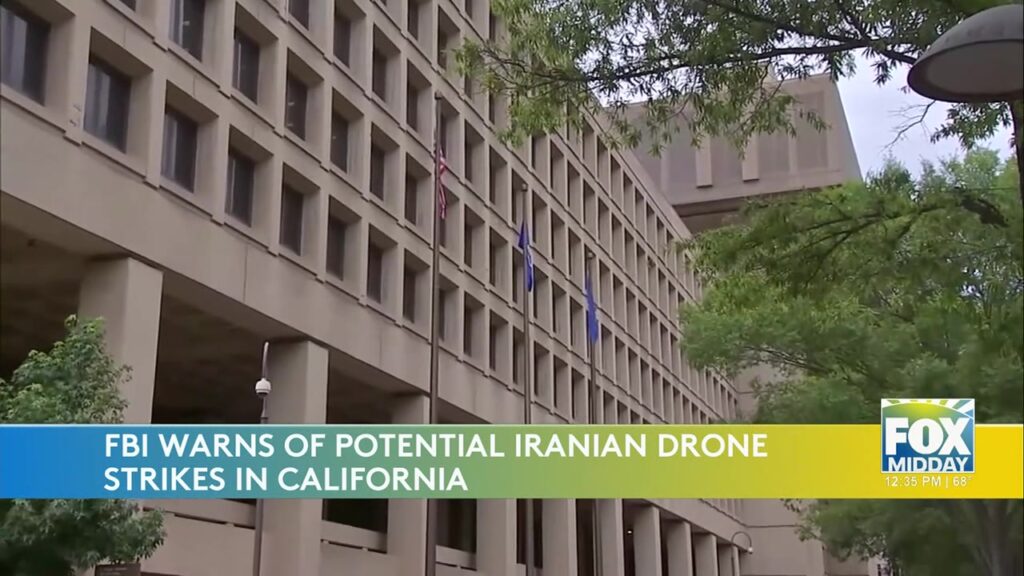
The FBI has issued an alert concerning the possibility of Iranian drone strikes targeting regions in California. This alert is part of an ongoing effort to ensure that local law enforcement agencies are prepared for potential scenarios involving retaliatory measures following U.S. military actions. The alert suggests that Iran may aim to conduct a "prize attack" on the West Coast as a form of retaliation. While specific details about the threat and its preparedness are confidential, these alerts highlight the importance of vigilance and preparedness at both state and federal levels.
California, being a potential target, has been proactive in its response. The state's ability to mobilize and coordinate various security agencies reflects a broader strategy to ensure the safety and security of its residents. The emphasis on cooperation between state and federal entities underscores the intricate nature of handling threats that traverse international boundaries.
Governor Newsom's Stance
Faced with these concerning potential scenarios, California Governor Gavin Newsom has reassured the public that his Office of Emergency Services is working diligently with local authorities to safeguard the state's citizens. Governor Newsom emphasizes that although there are no immediate threats known, the state remains on high alert. The assessments conducted by the Department of Homeland Security indicate that while Iran remains a point of concern regarding targeted attacks, a large-scale physical strike is seen as unlikely.
Governor Newsom's approach is reflective of a balanced stance aimed at maintaining public calm while ensuring preparedness. Coordination across various state agencies forms a cornerstone of California's security strategy, aiming to mitigate risks through readiness drills and enhanced communication channels with federal entities.
Perspectives from President Trump
Amid these developments, President Donald Trump has acknowledged the potential threats posed by Iran. His statement highlights the nuanced nature of international diplomacy and national security strategy that the U.S. must navigate. This acknowledgment not only brings awareness to the potential for threat but also represents a broader strategic consideration of U.S. military and diplomatic operations in the region.
The White House, under the Trump administration, has focused on tough stances against foreign adversaries, often leading to heightened tensions but also emphasizing national security priorities. The complex nature of U.S.-Iran relations remains a significant component of American foreign policy discourse, emphasizing the need for diplomatic channels to alleviate potential conflicts.
Additional Resources
For further information on national security communication and resources, visit the Department of Homeland Security at dhs.gov.