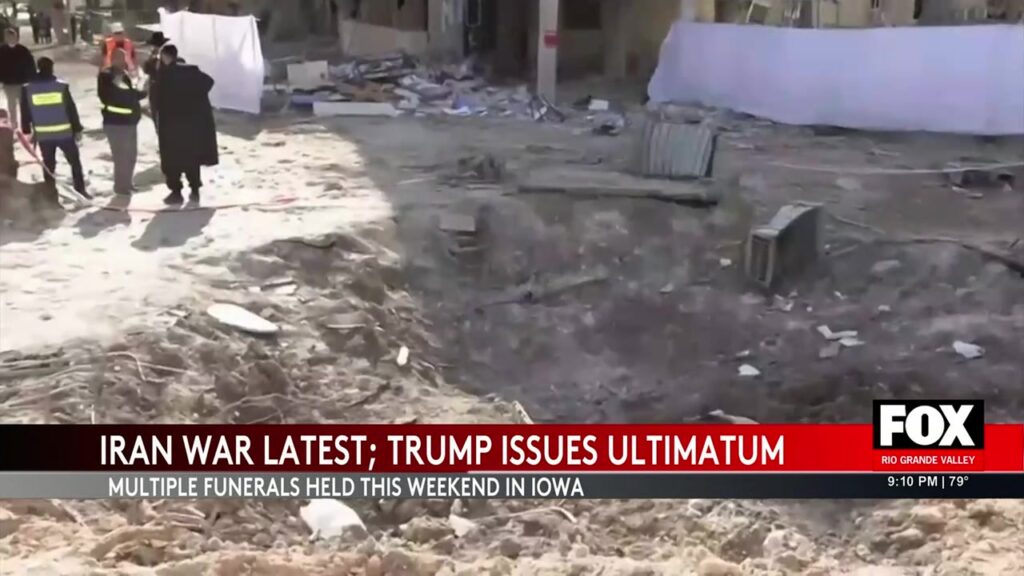
The geopolitical climate has taken a turbulent turn following Iran's recent missile launch, aimed further than ever before towards a pivotal U.S. military base. The bold test not only underscores Iran's growing capabilities but also escalates the already tense atmosphere surrounding international security dynamics. This significant development has drawn various stakeholders from around the world into a complex web of strategic calculations and political maneuvers.
In the midst of these heightened tensions, the geopolitical landscape has become a chessboard with multiple players expressing heightened concern over potential escalations. Among the most vocal are the United States and Israel, nations that have consistently been involved in Middle Eastern affairs, where stability often seems precarious at best.
Immediate Repercussions and Regional Tensions
The Iranian missile launch has resulted in increased military readiness and vigil among Israeli and American defense networks. As Iran flaunts its ballistic capabilities, Israel has issued stern warnings of potential aggressive countermeasures. This reciprocation of threats has heightened the specter of open conflict and further destabilization within the region.
President Trump, during his tenure, sent out strong signals through social media platforms, combining rhetoric with policy moves designed to exert pressure on Tehran. This included imposing further economic sanctions meant to deter Iran's missile programs. However, the effectiveness of such strategies remains a debated topic among international relations experts.
The threat to close strategic waterways, like the Strait of Hormuz, which facilitates a significant portion of the world's oil supply, underscores the dire economic and energy consequences that could arise. The potential disruption of these routes has global ramifications, affecting countless economies dependent on the steady supply of oil.
Strategic and Political Stakes
The recent developments have brought into sharp focus the delicate balance of power in the Middle East. Israel, often at the frontline with its U.S. ally, finds itself maneuvering through a challenging landscape. The future of these relations largely depends on diplomatic engagements and mutual military restraint among the involved nations.
Nations aligned with the U.S. and Israel are now being urged to enhance their roles in bolstering security measures and stabilizing the region. The international community faces the challenge of averting a full-scale conflict while seeking pathways for constructive dialogue. Observers note that the situation calls for an intricate balance between caution and assertion of power.
As the international community watches closely, nations like Russia and China are also expected to play significant roles on the diplomatic front. Their engagement and stance could influence the broader alliance system and the diplomatic outcomes sought by Western powers.
Continuing Violence and Global Implications
In the meantime, violence continues to simmer, with Iranian forces stepping up attacks in sensitive areas, including Southern Israeli communities. This escalation has regrettably resulted in casualties and widespread damage. The continuing threat of military engagement poses a persistent risk to regional populations and global security.
The consequences of these hostilities are Pharr-reaching, affecting not only immediate regions but also international relations at large. Global security experts caution that a miscalculation or a severe escalation could have unforeseen impacts, possibly pulling in other nations, either by choice or necessity.
Amid the military tensions, there are also implications for humanitarian concerns, as communities in the affected areas struggle with the realities of conflict. Efforts to bring about resolutions must account for human rights impacts and the future of civilian life in impacted regions.
Additional Resources
For in-depth analysis on the ongoing geopolitical developments, refer to expert research and commentary provided by the Council on Foreign Relations, which outlines the multi-faceted impacts of Middle Eastern policy decisions. Additionally, the Hidalgo County Government provides resources and insights on regional impacts related to the ongoing geopolitical shifts.