The geopolitical tensions in the Middle East are witnessing an alarming escalation as Israel and the United States intensify military operations against Iran. This heightened engagement comes amid rising concerns about Iran's influence and capabilities in the region, which both countries are determined to curtail through expanded military interventions. As the conflict intensifies, the international community is deeply aware of the potential ramifications not only for the Middle East but also for global stability.
These military operations are a continuation of a long-standing effort by the U.S. and Israel to assert their strategic dominance and limit Iran's actions, which they perceive as threats to regional security. The operations have resulted in a significant increase in airstrikes and a stronger military presence, marking a new chapter in the ongoing conflict that commands global attention.
Current Military Operations
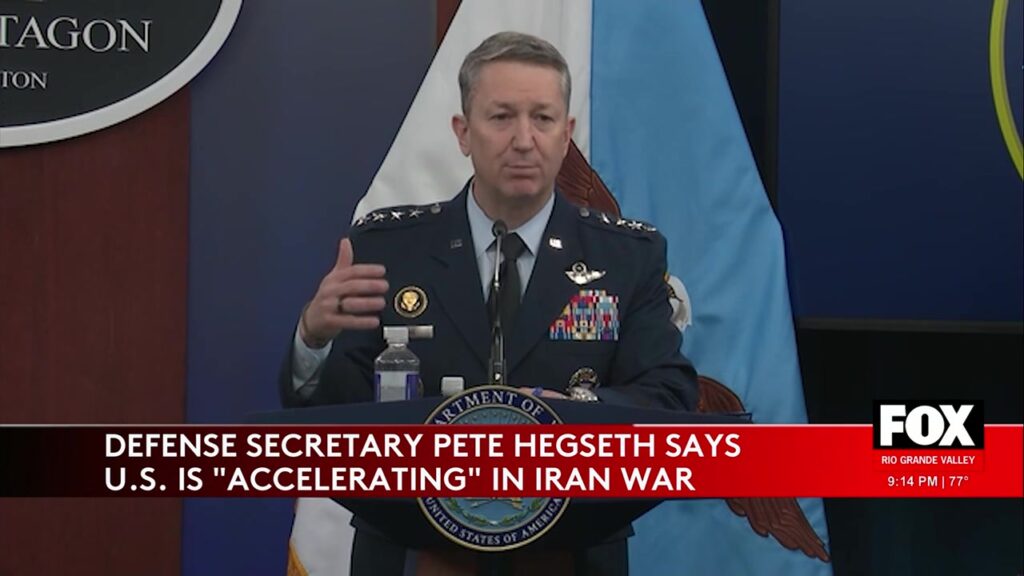
U.S. Defense Secretary Pete Hegseth emphasized the scale and strategic intent of the ongoing military efforts, highlighting that the operations are only at their inception. "We are accelerating, not decelerating," Hegseth stated, pointing to the arrival of more bombers and fighters aimed at establishing air dominance over Iran. The release of video footage by the U.S. Department of Defense showing the sinking of an Iranian warship further underscores the operations' direct and assertive nature.
The objective is clear: to take complete control of Iranian airspace and restrict the nation's military capabilities. This involves a multifaceted strategy combining aerial superiority with strategic incursions deeper into Iranian territory. By creating an increased freedom of maneuver for U.S. forces, both the U.S. and Israel aim to decisively influence the dynamics of power within the region.
Impact on Civilians and Regional Stability
The repercussions of these intensified military actions extend far beyond the military sphere, raising significant concerns about civilian safety and regional stability. The conflict has already resulted in over a thousand fatalities, affecting both military personnel and civilians. Four American service members were recently identified among those killed in an Iranian drone strike, highlighting the human cost of this escalation.
The volatile situation has prompted the U.S. government to urge American citizens to evacuate the region, with diplomatic missions reducing staff and operations in anticipation of further instability. Such measures reflect the underlying uncertainties and potential for greater conflict, which could have far-reaching consequences for the wider Middle East.
International Community Response
The escalation has drawn a measured response from the international community, with various leaders and international bodies advocating for de-escalation and a return to dialogue. The conflict not only influences diplomatic relations but also poses significant risks to global oil markets and international economic stability.
Global oil prices could see volatility as tensions could disrupt crucial shipping lanes and energy exports from the region. Meanwhile, diplomatic efforts continue in hopes of mitigating further escalations and prompting a more peaceful resolution. The region's already complex alliance structures could witness shifts as countries choose sides or advocate for neutral stances.
Observers from across the globe closely monitor the developments, aware that the outcomes of this confrontation could redefine regional politics and influence international diplomatic landscapes for years to come. Calls for restraint and resolution underline the common recognition of the potential for this conflict to draw in broader international forces.
Additional Resources
For official updates and diplomatic advisories, visit the U.S. Department of State: state.gov.