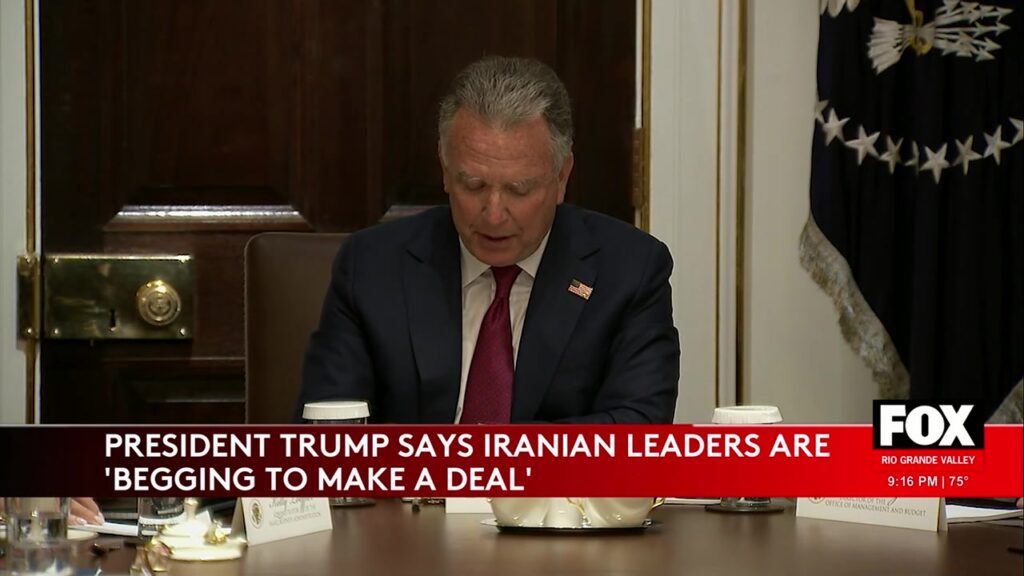
The escalating tensions between the United States and Iran have once again captured international attention, drawing global concern over the potential consequences that could arise from the conflict. As President Trump navigates these tumultuous diplomatic waters, alongside Pakistan's mediation efforts, the world is closely monitoring the situation, hoping for a peaceful resolution in a region already strained by historical conflicts.
The past month has seen heightened activities and exchanges that underscore the fragility of peace in the Middle East. Addressing the press, President Trump has maintained a firm stance on the need for Iran to seek negotiations, asserting their weakened position and a collective desire for resolution on their part. "They're begging to make a deal," stated Trump, reflecting the pressure mounting on Iranian leadership amidst ongoing geopolitical and economic challenges.
Meanwhile, the fluctuating narrative from Tehran contradicts this position, as Iranian officials deny any official discussions occurring with the United States. This public denial adds a layer of intrigue and complexity to the unfolding situation, and the role of Pakistan as an intermediary emphasizes the multifaceted diplomacy involved.
Rising International Tensions
An escalating international situation continues as President Trump outlines ongoing efforts to negotiate a resolution with Iran amidst a complex geopolitical landscape. The dialogue remains fraught with challenges as each side positions itself in the broader context of Middle Eastern politics. The sensitivity and historical depth of U.S.-Iran relations are crucial factors influencing these diplomatic efforts.
Iran's geopolitical significance within the Middle East, combined with its contentious relationship with Western powers, means that any developments in negotiations are watched with keen interest not just regionally, but globally. The stakes are significantly high, as the outcomes could redefine alliances and conflicts, influencing energy markets and security dynamics across the globe.
Diplomatic Endeavors and Obstacles
Although some progress in dialogue has been reported, public statements from Tehran dispute the existence of any formal negotiations. The involvement of Pakistan in facilitating talks adds a layer of diplomatic complexity to an already tense situation. Pakistan's historical ties with both Iran and the U.S. position it uniquely, allowing it to act as a potential bridge in ongoing discussions.
Despite these efforts, the looming threat of military engagement continues to underscore the gravity of the stalemate. The presence of military forces and the strategic posturing by both countries amplify the tension, suggesting that any misstep could potentially escalate into open conflict. With this in mind, the need for strategic patience and continued dialogue is more important than ever.
Global Implications
This situation's resolution is critical not only to regional stability but also to the broader international community. Allies and adversaries alike are wary of the repercussions any military action might provoke, emphasizing the need for continued diplomacy to avert conflict escalation. Global energy supplies, international trade routes, and regional alliances remain sensitive to these negotiations' outcomes.
Furthermore, the international community, including organizations and nations vested in peace and stability, are working behind the scenes to mediate and support any peaceful resolution. The U.S. engagement with Iran has long been a barometer for America's approach to global diplomacy within the region, illustrating complexities that go beyond bilateral disputes, influencing global political, economic, and environmental landscapes.
Additional Resources
For more information on ongoing international negotiations, visit: U.S. Department of State.