The Strait of Hormuz, a vital shipping lane, has become a focal point for international tension amid escalating confrontations between the United States and Iran. As one of the world's most crucial maritime passages, this narrow strait linking the Persian Gulf with the Gulf of Oman is a lifeline for global energy transport. It is estimated that about one-fifth of the world's petroleum passes through the Strait of Hormuz, making any threat to its security a matter of international concern.
Recent developments have seen increased agitation in the region, as Iranian naval forces have been accused of disrupting international shipping. The resulting volatility has manifested in heightened global oil prices, prompting various countries to respond with strategic military initiatives.
Naval Tensions in the Middle East
The ongoing naval conflict in the Strait of Hormuz continues to escalate, posing new challenges for the international community. The strategic shipping lane has seen repeated instances of Iranian naval forces disrupting international shipping and oil flow, leading to significant economic implications. These disruptions have not only been a concern for oil-exporting countries but also for those reliant on oil imports, including a variety of countries across Europe and Asia.
The United States has taken a particularly aggressive stance, implementing a series of military operations aimed at safeguarding the passage and maintaining uninterrupted oil supply. Such measures have included both aerial surveillance and naval patrols.
International Response and Collaborations
Recent actions have prompted various nations to bolster their military presence in the region. President Trump initially expressed frustration with NATO allies for what he perceived as a lack of initiative, a sentiment compounded by the economic risks associated with a disrupted oil supply. However, in a recent development, significant international collaboration is underway.
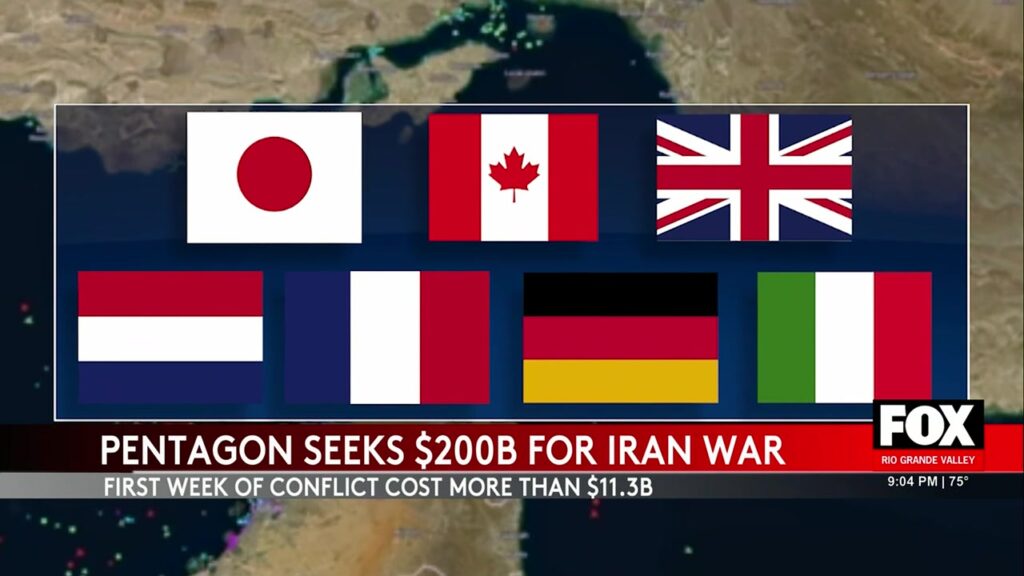
Japan, Canada, and several European nations have issued a joint statement agreeing to support efforts in securing the Strait of Hormuz. Notably, the United Kingdom has taken a proactive approach by dispatching warships to the region, a decision underscored by heightened diplomatic talks and military assessments. British military planners are engaged with the United States Central Command (CENTCOM), laying the groundwork for coordinated security measures.
This coalition underscores a collective interest in maritime security and stability, considering that any prolonged instability could induce severe global economic ramifications. Consequently, international dialogues continue to explore effective strategies and logistics for maintaining security in the Strait of Hormuz.
Economic Implications and Global Concerns
As tensions rise, the economic impact becomes increasingly apparent, with oil prices spiking and potential threats to global supply chains. The spike in oil prices has ripple effects across various industries, influencing everything from transportation costs to the price of consumer goods.
The U.S. is working alongside international partners to ensure stability while debating elevated defense funding to aid long-term military operations. Such discussions are critical to ensuring both military readiness and economic resilience among partner nations.
A pivotal question remains regarding the long-term sustainability of increased military expenditure and whether diplomatic efforts can provide a more permanent de-escalation of tensions. Global markets continue to watch the situation closely, as any miscalculation could provoke further volatility.
Additional Resources
For more details on international maritime security, refer to United Nations Peace and Security.