The influenza season is upon us, and experts are warning of a potentially severe outbreak across the United States. Fueled by a new flu virus variant known as subclade K, the influenza season is expected to lead to a significant increase in flu cases. This new variant has already spread rapidly in Asia, Australia, and Europe, and its presence in the U.S. is causing concern among health officials.
Subclade K: A New Threat
The primary keyword, influenza season, is on everyone's mind as the holidays approach. According to Andrew Picoche from Johns Hopkins Bloomberg School of Public Health, the U.S. could experience a severe influenza season, with every state likely to see high flu case numbers in the coming months. This is attributed to the new subclade K variant, which appears to be evading immunity, making more people susceptible to infection. Whether this variant causes more severe disease on a case-by-case basis remains under investigation.
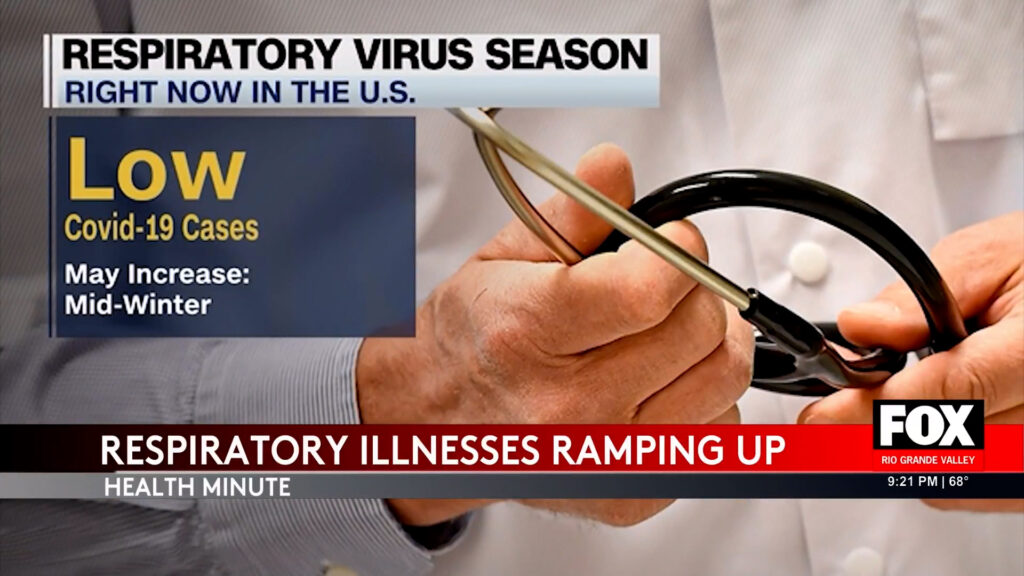
While influenza season is gearing up for a potential spike, it's not the only respiratory illness in focus. COVID-19 cases remain lower than in previous years, although there is always the possibility of an increase in mid-winter. Meanwhile, Respiratory Syncytial Virus (RSV) levels have been surprisingly low, possibly due to recent strong RSV seasons and the introduction of new RSV vaccines and treatments.
Influenza season: Vaccination: A Crucial Defense
As the influenza season intensifies, vaccination continues to be the best defense against severe disease. Picoche emphasizes the importance of the flu vaccine, which is a good match for two strains of the virus. Although the vaccine may not provide complete protection against the new variant, it remains a crucial tool in reducing the severity of the illness.
The timing of the influenza season coincides with the holiday period, a time of gatherings and travel, which can further facilitate the spread of the virus. Therefore, it is not too late for individuals to get vaccinated to protect themselves and others during this heightened period of risk.
Additional Resources
For more information on how to protect yourself during the influenza season, visit the official website of the Centers for Disease Control and Prevention (CDC) at cdc.gov.