Amid growing economic uncertainties, the American public finds itself at the intersection of increased tax refunds and surging gas prices. While the promise of more substantial refunds due to recent tax reforms ignites hope for many, the simultaneous rise in fuel costs presents a conundrum, as these gains may be diminished by higher expenses at the pump. This dynamic reflects broader economic forces at play, highlighting how global events can reverberate through local economies.
The United States has seen a significant increase in tax refunds, with projections indicating an average of 11% growth compared to previous years. Recent legislation underpinning these favorable changes includes expansions in tax credits and adjustments to income brackets. For many taxpayers, these updates equate to tangible financial relief, signaling a potential boost in discretionary spending and consumer confidence. Yet, the concurrent spike in gas prices poses an immediate threat, effectively curbing the anticipated economic stimulus.
Gas Prices Dampen Consumer Sentiment
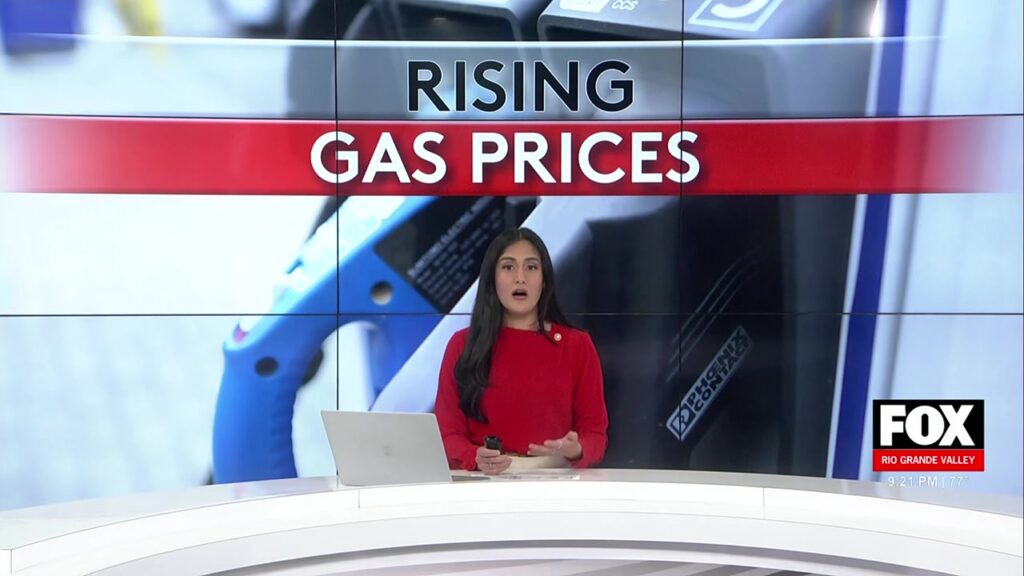
The recent geopolitical conflict involving Iran has had a profound influence on global oil markets, pushing gas prices towards the $4 per gallon mark nationwide. Such volatility underscores the delicate balance between international stability and domestic economic well-being. As consumers grapple with these changes at the pump, sentiment becomes wary, driven by the uncertain trajectory of fuel costs and their potential impact on daily life and expenditure.
Historically, American households allocate a significant portion of their budget to transportation costs. Therefore, a surge in gas prices directly affects disposable income, forcing consumers to make challenging choices. For instance, discretionary items, leisure activities, and non-essential travel might see reductions as families prioritize fuel expenses. Moreover, as transportation costs escalate, the ripple effect may result in higher prices for goods due to increased logistical expenses.
Implications and Strategic Adjustments
As the landscape remains unpredictable, economists recommend strategic financial planning to weather potential economic fluctuations. Households are advised to reassess budgets, considering potential adjustments such as reducing non-essential travel or exploring alternatives like carpooling to mitigate fuel expenses.
In addition to individual adjustments, businesses are urged to consider operational strategies that account for rising transportation costs. This might involve optimizing supply chains or investing in energy-efficient technologies to reduce dependence on volatile fuel markets. Industries closely tied to logistics and transportation face significant challenges, with potential downstream effects on pricing and availability of goods.
To navigate these complexities, consumers and businesses alike must remain adaptable. Seeking diverse financial advice and resources can equip individuals with the tools necessary to make informed decisions. Engaging with financial advisors, exploring energy-efficient vehicle options, or utilizing public transportation where feasible may offset some burdens. Educational efforts aimed at understanding the interplay of global events and local economies can further empower individuals to navigate these shifting economic tides.
Embracing Technological Solutions
In the realm of transportation, the rise of ridesharing services like Uber and Lyft presents both opportunities and challenges in a high-fuel-cost environment. While these platforms offer convenient alternatives and reduce individual vehicle usage, they also operate within the larger context of fuel dependency.
Both drivers and riders are encouraged to exercise vigilance through these apps. For operators, ensuring a thorough understanding of driver and vehicle identification processes remains crucial. Meanwhile, passengers should diligently verify driver information and ensure alignment with app details before embarking on rides. Such precautions not only promote safety but add a layer of assurance within the shared economy framework.
Additional Resources
For those looking to maximize their financial strategies during these uncertain times, the Internal Revenue Service (IRS) offers an array of resources to help taxpayers navigate changes in legislation and optimize tax benefits. Visit the IRS official website at irs.gov for comprehensive guides and assistance. Additionally, staying informed on local and global economic developments through reputable sources can provide valuable insights into making strategic adjustments.