As National Nutrition Month unfolds, there's an increased focus on fostering heart health from an early age. While heart disease predominantly impacts older adults and remains the leading cause of death in the United States, the seeds of cardiovascular health are sown in childhood. Early dietary habits are crucial, as they can significantly reduce the risk of heart disease in later life. Experts are advising parents to consider a balanced diet that supports a healthy heart for their children.
Parents often find it challenging to instill healthy eating habits in their kids, but the effort can have long-term benefits. Proper nutrition provides the essential building blocks for growth and development, and it's imperative for maintaining a healthy heart throughout one's life. Caitlin Bauer from Nationwide Children's Hospital emphasizes the importance of starting heart-healthy diets young, noting that issues like high cholesterol, once considered adult problems, are now affecting younger populations.
Heart-Healthy Habits Start Early
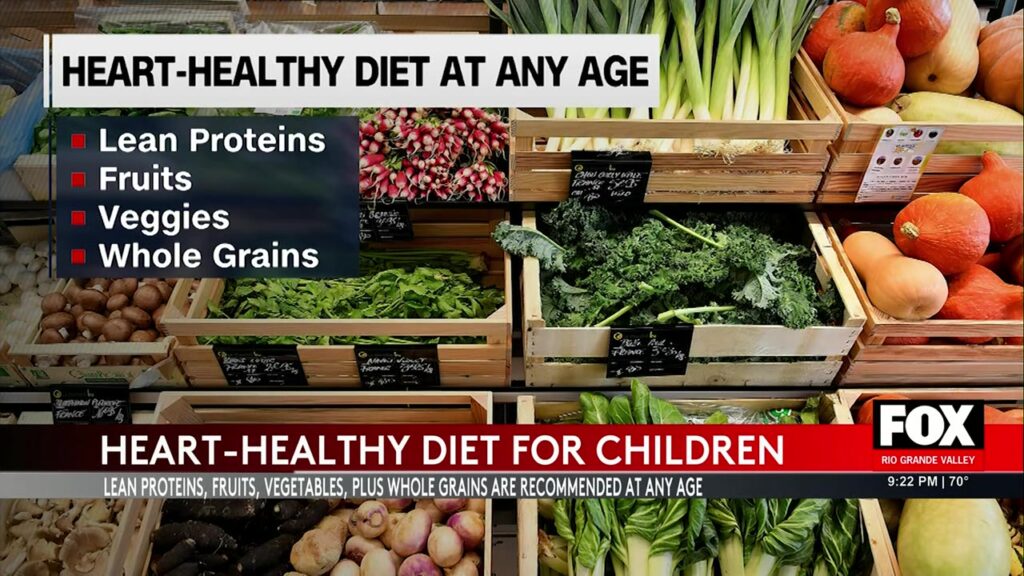
With National Nutrition Month in full swing, experts are drawing attention to the importance of heart health across all age groups, with a particular focus on children. Often associated with older adults, heart disease is the leading cause of death among Americans. However, establishing healthy dietary habits from childhood plays a crucial role in the prevention of cardiovascular issues later in life. Medical professionals are emphasizing the importance of a diet rich in lean proteins, fruits, vegetables, and whole grains. The aim is to provide children with the right nutrients that help in the growth of a strong and healthy cardiovascular system.
Encouraging Healthy Diets in Children
Caitlin Bauer from Nationwide Children's Hospital explains that childhood nutrition significantly impacts long-term health outcomes. High cholesterol levels in children can predispose them to heart disease, underscoring the need for nutrient-dense meals. Bauer advises parents to avoid force-feeding healthier foods, suggesting that children are more receptive when they see their parents consuming the same healthy options. This behavior modeling promotes acceptance and reduces resistance to new foods. By making small, gradual changes in the family diet and focusing on nutritious choices, parents can guide their children towards a lifetime of healthy eating.
Some practical tips include using whole grain bread instead of white bread, incorporating more fruits and vegetables in every meal, and choosing lean meats like chicken or turkey over red or processed meats. It’s also crucial to minimize sugary snacks and beverages, offering plenty of water instead. Encouraging children to choose snacks like apple slices with almond butter or carrots with hummus opens their palate to varied and nutritious foods.
Creating an Engaging Mealtime Experience
Engaging children in mealtime preparation by allowing them to explore new foods through sensory experiences (such as color, smell, and texture) can enhance their willingness to try healthier options. The process of gradually introducing different foods helps foster an open attitude toward varied diets, laying a solid foundation for lifelong healthy eating habits and improved physical health outcomes. When children participate in selecting and preparing their meals, they are more likely to be interested in the nutritional aspects of their food.
Creating a fun and engaging shopping experience at the grocery store can also be beneficial. Allow kids to pick a vegetable or fruit they haven't tried before, and find recipes that incorporate these ingredients. This practice not only makes them familiar with a variety of foods but also encourages them to think creatively about how to include them in meals.
Additional Resources
For more information on nutrition and health guidelines, visit the Centers for Disease Control and Prevention.