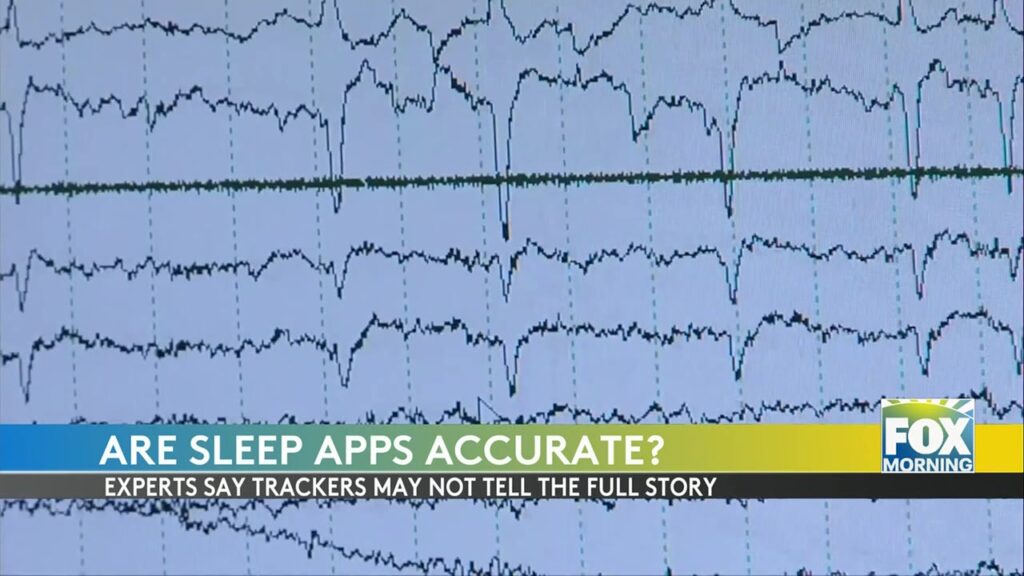
In recent years, the allure of wearable technology has captivated many, especially as it relates to health monitoring. Among these innovations, sleep tracking apps have garnered significant attention. Promising insights into our nightly slumbers, they offer a seemingly convenient way to analyze and optimize rest without leaving the comfort of one's bed. However, these digital tools may not always be as accurate as one might hope. Dr. Samuel Goverinch of the Cleveland Clinic provides a measured perspective, encouraging users to understand the capabilities and limitations inherent in these popular apps.
The functionality of sleep trackers often relies on accelerometer technology, which can detect bodily movements to infer various sleep stages. While this kind of inference can be informative, Dr. Goverinch emphasizes the limitations, noting that these devices lack the ability to directly measure the brain activity central to comprehensive sleep analysis. For those seeking precise insights, a clinical sleep study remains the gold standard, offering detailed examinations of sleep health through brain wave monitoring and other diagnostic measures.
Understanding Sleep Trackers
At the core of most sleep tracking technologies is the accelerometer, a device that senses motion and can estimate whether an individual is awake or asleep. By analyzing different patterns of movement, these trackers attempt to categorize sleep into stages like REM, light, and deep sleep. However, according to Dr. Goverinch, this method is not entirely fault-proof. Movement does not always equate to sleep quality; external factors such as sleeping beside a restless partner or an unusually hot room can lead to misleading interpretations.
Additionally, it should be noted that these apps often come equipped with user-friendly interfaces and attractive features, which may give an impression of accuracy that they don't necessarily deliver. For those experiencing chronic sleep disturbances or who require detailed sleep analyses, consulting with healthcare professionals remains essential for obtaining reliable results.
Recommendations from Health Experts
Dr. Goverinch advises caution for users who might lean too heavily on app-generated data. While these insights can serve as a useful starting point for identifying patterns, they should not be solely relied upon for diagnosing sleep disorders. Persistent sleep issues or erratic sleep tracking readings warrant professional evaluation.
For a more in-depth understanding of individual sleep health, a consultation with a sleep specialist may lead to a recommendation for a comprehensive sleep study. Such studies involve overnight monitoring in controlled environments, where variables such as brain waves, oxygen levels, and heart rate are continually assessed to form a complete picture of an individual's sleep health.
The Bigger Picture
Understanding one's sleep habits is just one facet of overall wellness. While sleep tracking apps add an element of self-awareness, they are most effective when used in conjunction with other health and wellness monitoring strategies. Fitness, nutrition, stress management, and regular medical check-ups all play significant roles in maintaining good health.
Furthermore, the data from these apps should be interpreted as part of a larger context of well-being. If the data provided by an app suggests troublesome patterns, initiating a conversation with a healthcare provider can help avert potential health issues before they escalate into more serious conditions.
Additional Resources
For more comprehensive health information and expert recommendations, visit the Cleveland Clinic or explore sleep health resources at The National Heart, Lung, and Blood Institute (NHLBI).