Table of Contents
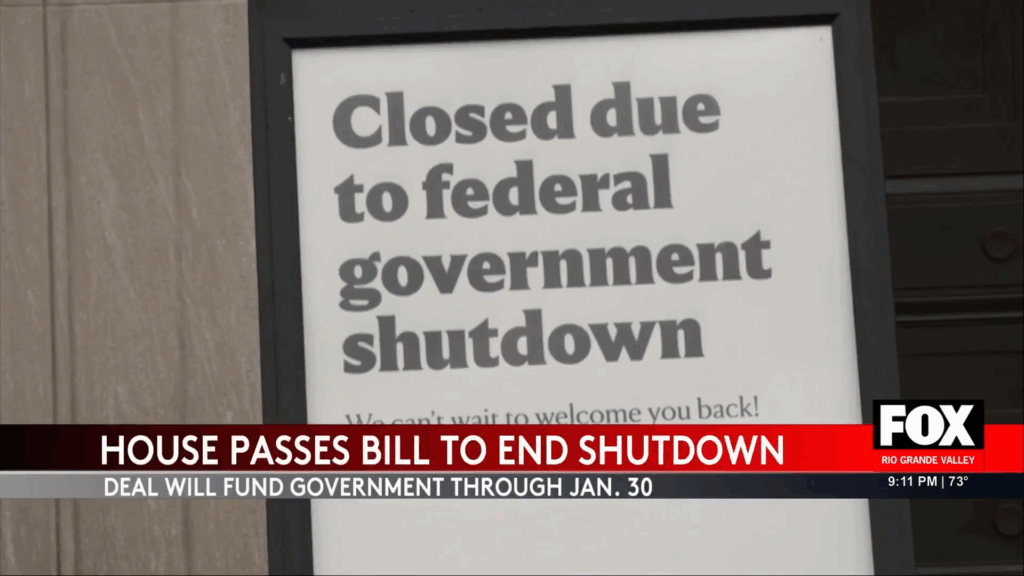
The Government Shutdown has officially ended as the US House of Representatives approved a groundbreaking deal to reopen federal services. This historic decision comes after a record-breaking 43-day shutdown, marking the longest in US history. The approved bill will fund the government through January 30th, providing a temporary respite from the financial and operational disruptions faced by federal employees and services nationwide.
The Government Shutdown has been a contentious issue, affecting hundreds of thousands of federal workers and disrupting services across the nation. The shutdown began due to disputes over federal budget allocations, particularly around border security and funding for a proposed wall along the US-Mexico border. The deadlock in negotiations led to a prolonged shutdown, with significant impacts on various federal operations and employees' livelihoods.
Impact of the Government Shutdown
The Government Shutdown has had a profound impact on multiple sectors. Federal employees faced furloughs and delayed paychecks, leading to financial strain for many families. Essential services such as national parks, air traffic control, and food safety inspections were either halted or severely limited, affecting the daily lives of countless Americans.
Businesses reliant on federal contracts also experienced setbacks, with halted projects and delayed payments disrupting operations. The broader economy felt the pinch as consumer confidence wavered, and economic growth projections were adjusted downwards.
House of Representatives' Role in Ending the Government Shutdown
The US House of Representatives played a crucial role in ending the Government Shutdown by passing a bill designed to fund the government through January 30th. This move was met with relief by many who have been advocating for a resolution to the impasse. The bill's approval signifies a temporary truce between conflicting parties in Congress, allowing federal operations to resume and providing a window for further negotiations.
President Trump has expressed his intent to sign the bill, which will officially mark the end of the shutdown. As federal workers prepare to return to their roles, there is a collective sigh of relief, although the temporary nature of the funding means that discussions will need to continue to prevent future shutdowns.
Additional Resources
For more information on the Government Shutdown and its implications, visit the official website of the US House of Representatives at house.gov.