The geopolitical strife in the Middle East, particularly the conflict involving the United States, Israel, and Iran, has profound implications on global oil supply chains. This turmoil leads to ever-growing tensions, deeply impacting oil prices which, in turn, affect consumers and economies worldwide. The Strait of Hormuz, a pivotal maritime passage for oil transportation, also finds itself caught in this crossfire, exacerbating fears of long-term supply bottlenecks.
In recent events, U.S. and Israeli airstrikes targeted significant fuel storage facilities in Tehran. The attack resulted in enveloping these sites in thick, black smoke, marking a critical point in the ongoing conflict. The immediate ramifications are glaring: dramatic hikes in global oil prices. As global economies brace for the aftermath, consumers are already feeling the heat with escalating fuel prices at the pump.
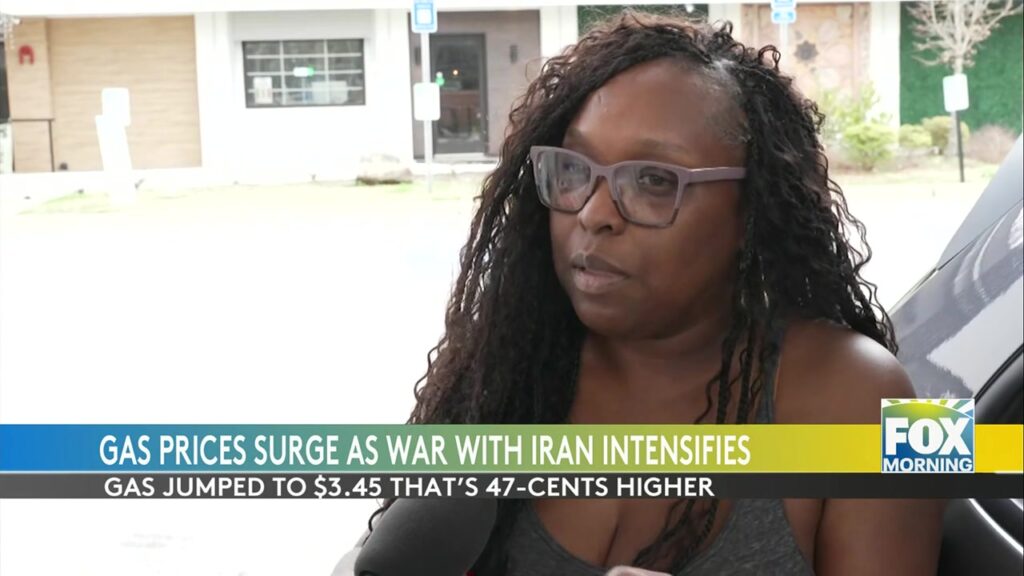
For many drivers, the effects of this conflict are evident in their daily commutes. The average cost of regular gasoline in the U.S. spiked to $3.45 per gallon, which marks an increase of 47 cents from the previous week according to AAA. Consumers express growing frustration as even small increases translate to significant financial strain on household budgets, forcing many to reconsider their transportation habits.
Disruptions in Iran
The conflict in Iran has catalyzed significant disruptions in the global oil markets. American and Israeli airstrikes on Tehran's critical fuel depots have resulted in not only operational setbacks but also strategic challenges for both oil production and distribution channels. These actions have underscored the vulnerability of critical infrastructure in conflict zones, raising the stakes for nations dependent on stable oil supplies.
With these fuel depots pummeled, logistical operations have been severely compromised. Vehicles and ships are increasingly hesitant to traverse conflict-prone routes, leading to a bottleneck in the already stretched supply chain. The global market is reacting to these disruptions with notable volatility as the balance between supply and demand remains precarious.
Impact on Global Markets
The shockwaves from the conflict extend far beyond oil storage facilities, influencing global markets and economies to an unprecedented degree. The American Petroleum Institute underscores the potential for continued price surges if the violence persists. Economists warn that prolonged instability could cascade into higher costs in various sectors, from transportation and manufacturing to consumer goods and services.
This uncertainty is compounded by the strategic importance of the Strait of Hormuz. As one of the world's most significant chokepoints, it sees nearly 20 million barrels of oil passing through daily, about 20% of the global supply. However, with rising tensions, shipping companies face increased insurance costs and take longer, more expensive routes to avoid the region, contributing further to rising oil prices.
Adapting to Changing Dynamics
The ongoing instability requires adaptive strategies to buffer economies against shocks from oil price hikes. Nations with heavy reliance on energy imports must consider diversifying their energy sources and investing in sustainable alternatives. Furthermore, technological advances in energy efficiency and conservation are more critical than ever to mitigate the impact of volatile oil markets.
Global policymakers and industry leaders are urged to collaborate in bolstering energy security, addressing both immediate supply disruptions and long-term resilience. As consumers grapple with rising costs, ensuring energy affordability and accessibility remains a priority for maintaining economic stability.
Additional Resources
For a detailed analysis of current oil market trends and impacts, visit the Government Accountability Office to explore comprehensive data and reports that offer insight into these ongoing global challenges.