Table of Contents
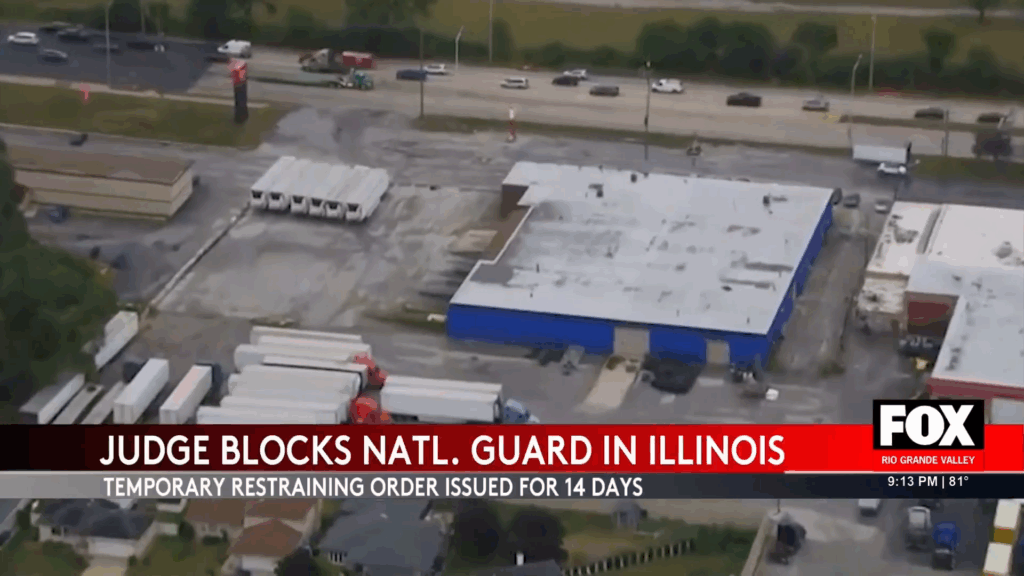
The decision by a Federal Judge to issue a temporary restraining order blocking the deployment of National Guard troops in Illinois has sent ripples through the state and beyond. This ruling comes as a response to President Donald Trump's plan to deploy troops, which has been halted for 14 days pending further review. The judge's decision underscores the tension surrounding the potential for civil unrest, as she cited a lack of credible evidence of a rebellion in Illinois.
Impact of the Federal Judge's Decision
The federal judge's decision to block the deployment of the National Guard in Illinois is being closely watched. The judge, in her ruling on Thursday, emphasized the absence of credible evidence to justify such a deployment. This move is perceived as a measure to prevent civil unrest, which could be exacerbated by the presence of troops in civilian areas. The decision highlights the delicate balance between maintaining public order and respecting civil liberties.
The temporary restraining order will remain in effect for 14 days, providing a window for further legal and governmental considerations. This decision not only affects Illinois but also sets a precedent for other states contemplating similar measures. The ruling has been met with mixed reactions, with some praising the judge's foresight in preventing potential unrest, while others question the implications for national security.
The Broader Context: National Guard Deployment
The deployment of the National Guard has been a contentious issue, particularly in states where the threat level does not appear to warrant such measures. The ongoing case regarding the Oregon National Guard further complicates the narrative, as it remains under consideration. This broader context emphasizes the need for careful assessment of each state's unique situation before deploying military forces domestically.
The federal judge's ruling in Illinois may influence the outcome of the Oregon case and beyond. As states navigate the complexities of maintaining order without inciting panic or unrest, the role of the National Guard continues to be a topic of national debate. The implications of these decisions are far-reaching, affecting not only state governance but also federal-state relations and public perception of safety and security.
Additional Resources
For more information on the role and deployment of the National Guard in the United States, visit the official National Guard Bureau website at nationalguard.mil.