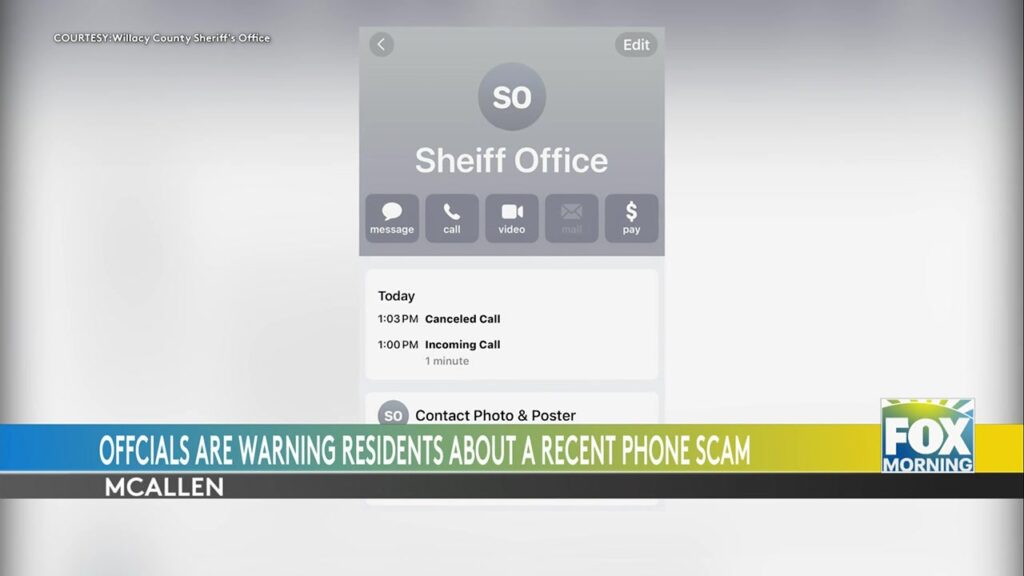
In recent months, a wave of phone scams has been sweeping through the county, prompting law enforcement to issue urgent warnings to the public. These scams, by impersonators posing as legitimate officers, have targeted trusting residents by using clever tactics to extract personal information.
The unsettling rise in these fraudulent calls has residents on edge, as the scammers become increasingly sophisticated in their methods. Authorities stress the importance of being aware of these schemes and taking proactive measures to protect personal information.
Scam Alert
The County Sheriff's Office has officially warned the public about a surge in phone scams attempting to deceitfully extract personal details by masquerading as law enforcement officials. These impostors often claim to be deputies who need to verify personal details under false pretenses, such as alleged failures to appear for jury duty.
Residents Targeted
One case involved a resident who received a call from someone claiming to be a deputy from the Sheriff's Office. The impersonator requested sensitive personal information and threatened arrest if the resident did not comply, claiming that their absence from jury duty warranted such measures. Fortunately, the intended victim recognized the deception and reported the incident to local authorities.
Sheriff Jose Salasada has made it clear that such tactics are not employed by any legitimate law enforcement agency. Official procedures do not involve contacting individuals to request personal details over the phone, via email, or through social media.
The Tactics of Scammers
These fraudulent activities often involve a technique known as 'spoofing.' Scammers manipulate caller ID systems to make it appear as though their phone number is associated with a familiar and trustworthy local government office. This increased level of sophistication can make it difficult for individuals to discern legitimate calls from fraudulent ones.
Scammers often target the elderly, exploiting their general trust in authority. It's crucial for families to communicate with their elderly relatives about these scams to prevent victimization. By spreading awareness about the tactics used by these criminals, residents can reduce the risk of falling prey to such scams.
Guide to Avoiding Scams
- Do not provide personal information: Authorities will never call, email, or use social media to request your personal information such as your social security number, date of birth, or driver’s license number.
- Be skeptical of unsolicited calls: If a call seems suspicious, hang up immediately and verify the information through official channels.
- Educate family members: Make sure elderly family members understand the risks and know not to provide information over the phone.
- Report suspicious calls: If you receive a call you believe to be a scam, report it to local law enforcement to help them track these operations.
By remaining informed and vigilant, residents can safeguard their personal information from being fraudulently obtained by these malevolent actors.
Additional Resources
For more guidance on how to protect yourself from phone scams and fraud, visit the Federal Trade Commission's official site. This resource provides valuable information on recognizing and responding to a variety of scams currently affecting consumers.