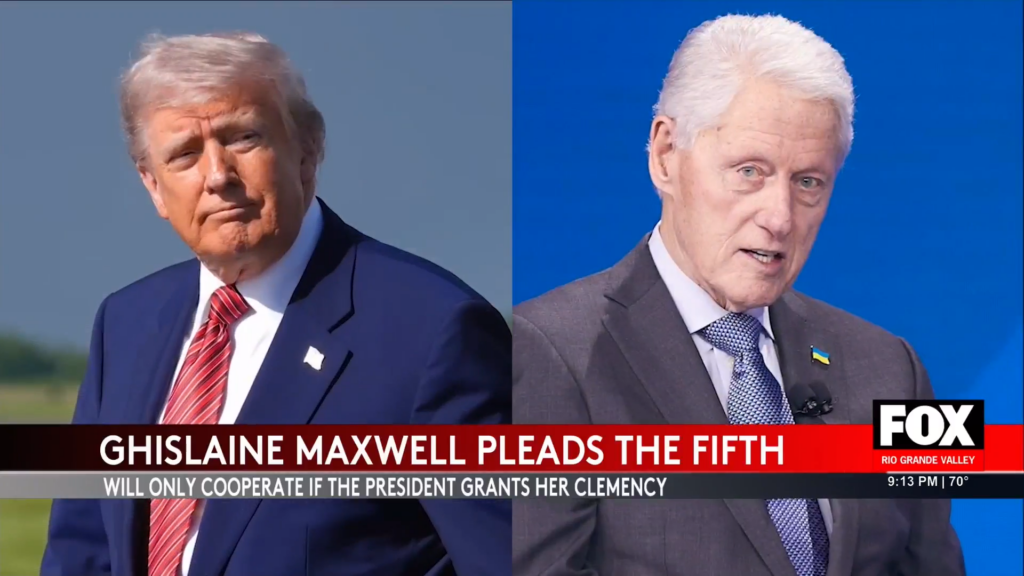
The Epstein investigation has hit a shocking roadblock as Ghislaine Maxwell, the former associate of Jeffrey Epstein, invoked her Fifth Amendment rights during a key deposition. Lawmakers from the House Oversight Committee were left frustrated by Maxwell's refusal to answer questions, which has intensified speculation about potential high-profile involvement in Epstein's criminal activities.
The Fifth Amendment Stalemate
Maxwell's decision to plead the Fifth has been a significant setback in the ongoing Epstein investigation. Lawmakers were keen to gather insights from Maxwell, who is currently serving a 20-year prison sentence for her role in Epstein's sex trafficking operations. Her refusal to cooperate unless granted a pardon from former President Trump has sparked frustration across party lines. House Oversight Chair James Comer expressed his disappointment, emphasizing the importance of Maxwell's testimony in understanding how Epstein managed to evade justice for so long.
Implications for High-Profile Figures
The Epstein investigation is not just about uncovering the extent of Epstein's crimes but also determining whether any high-profile Americans were complicit. Both former Presidents Trump and Clinton have been mentioned in the proceedings, though Maxwell claims neither broke the law. Her selective use of the Fifth Amendment has led some Democrats to suspect that a deal might be in the works to secure her silence in exchange for leniency—an allegation the White House denies.
Committee members remain committed to uncovering the truth, and they plan to visit the Department of Justice for an unredacted review of the Epstein files. The investigation's outcome could have far-reaching implications, shedding light on the systemic failures that allowed Epstein to operate unchecked for years.
Epstein investigation: Additional Resources
For more information on the ongoing investigation, visit the official House Oversight Committee website.