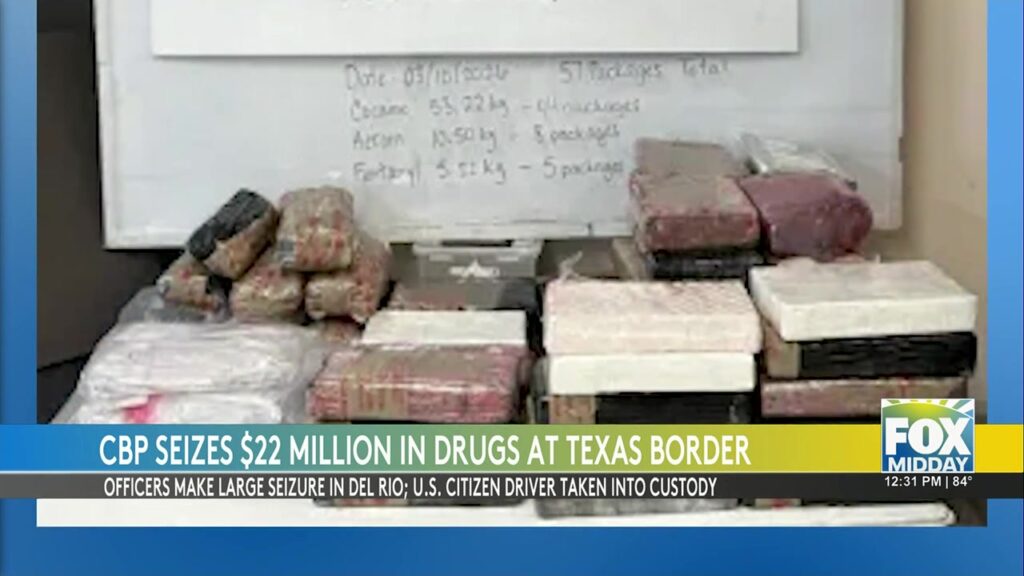
The Rio Port of Entry, a critical juncture along the U.S.-Mexico border, was the scene of a significant drug seizure by U.S. Customs and Border Protection (CBP) officers. Over 150 pounds of narcotics, including cocaine, heroin, and fentanyl, were discovered hidden inside a vehicle, marking a potent reminder of the ongoing challenges posed by drug smuggling across this highly trafficked border zone. Each year, millions of vehicles and individuals pass through the port, making it a focal point for both legitimate travel and illicit activities.
This major drug bust underscores the continued pressure on border authorities to identify and intercept illegal smuggling operations. With a street value exceeding $2.2 million, the cache of confiscated drugs represents a significant blow to smuggling networks attempting to traffic dangerous substances into the United States.
CBP's Effective Enforcement and Collaborative Efforts
The operation at the Rio Port of Entry exemplifies the CBP's commitment to safeguarding the nation's borders. Thanks to partnerships with the Texas Department of Public Safety (DPS), Hidalgo County Sheriff's Office (H-C-S-O), Edinburg Fire Department (E-F-D), and other entities, the agency was able to successfully intercept this large shipment of narcotics. Such collaboration is essential, given the tactics employed by smugglers, who consistently devise intricate methods to evade detection.
The March 10th seizure was executed during a routine vehicle inspection, a standard procedure that aims to identify illicit goods being transported across the border. The contraband was ingeniously hidden within the vehicle, yet the vigilance and expertise of the CBP officers prevailed, resulting in the arrest of the vehicle's driver, a U.S. citizen hailing from Edinburg. Authorities are now dissecting the evidence to trace the broader smuggling network involved in this operation.
Understanding the Drug Crisis and Border Security Measures
The smuggling of illegal narcotics like cocaine, heroin, and fentanyl poses a severe threat to communities nationwide, contributing to the ongoing opioid crisis and associated health and societal issues. Fentanyl, in particular, is an extremely powerful synthetic opioid that has driven a sharp increase in overdose deaths in recent years. Seizures like the one at the Rio Port of Entry are part of broader enforcement efforts aimed at curtailing the distribution of these potent drugs.
The U.S.-Mexico border, stretching nearly 2,000 miles, is a complex and dynamic environment that demands constant vigilance. Border security measures, such as enhanced inspection protocols and advanced technology, are continuously being refined to improve their effectiveness against smuggling operations. CBP utilizes a mix of human resources and technological tools, including X-ray machines and canine units, to conduct thorough inspections amidst the vast flow of cross-border traffic.
Implications for Regional and National Safety
This significant drug seizure not only represents a triumph for law enforcement agencies but also serves as a testament to the critical role border security plays in maintaining regional and national safety. The ongoing investigation into this bust may reveal further details about the smuggling network's operations, potentially leading to additional arrests and seizures.
Such law enforcement actions are crucial in disrupting the supply chains of illegal narcotics, thereby reducing the availability of these substances on the streets and limiting the impact on vulnerable communities. The implications of the Rio Port seizure extend beyond the immediate interception of drugs, highlighting the broader strategies needed to combat drug smuggling and ensuring national security.
Additional Resources
For more information and updates on border security and efforts to combat drug smuggling, visit the U.S. Customs and Border Protection website.