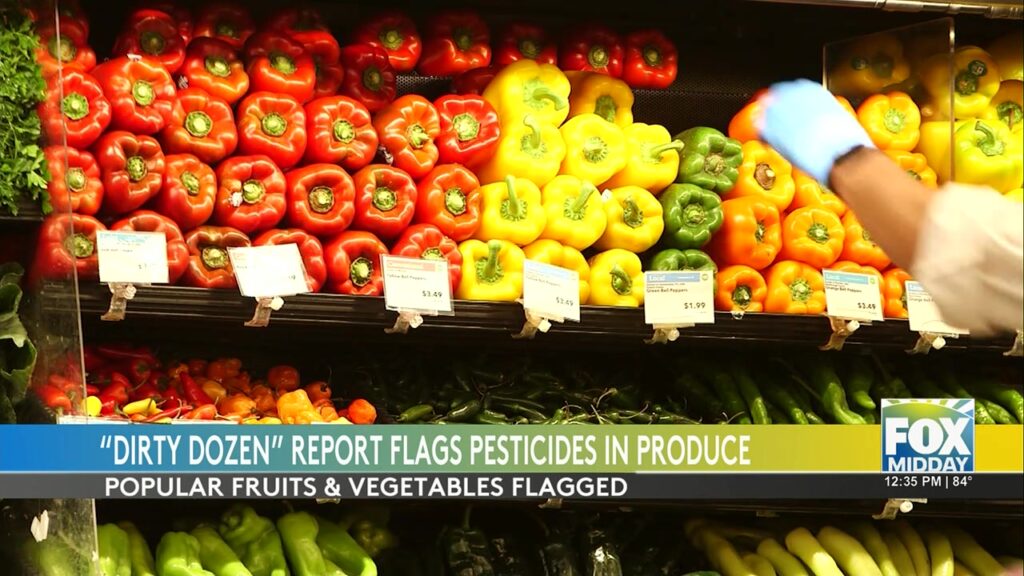
In an age where healthy living is a priority for many, ensuring that food is safe from harmful substances is crucial. Every year, the Environmental Working Group (EWG), a non-profit health advocacy organization, releases its influential Dirty Dozen report. This report sheds light on the fruits and vegetables most contaminated by pesticides, helping consumers make informed decisions. Over the years, this annual publication has become a vital resource for those concerned about the long-term effects of pesticide exposure on health.
The 2023 report highlights concerning levels of pesticide residues in everyday produce. Shockingly, spinach, grapes, and strawberries topped the list, indicating significant contamination. While these foods are staples in many diets due to their nutritional benefits, the presence of potentially harmful pesticide residues poses a serious dilemma for health-conscious consumers.
Details from the 2023 Dirty Dozen List
The Environmental Working Group's latest Dirty Dozen report draws attention to the alarming levels of pesticides found on some of the most commonly consumed fruits and vegetables. Spinach was named the worst offender, containing more pesticide residue by weight than any other type of produce. Additionally, grapes and strawberries, both seen as highly nutritious, were also flagged for excessive pesticide contamination.
Other fruits and vegetables that made the list include nectarines, peaches, cherries, apples, blackberries, pears, potatoes, and blueberries. These findings are based on thousands of tests conducted by federal agencies, looking at the levels of pesticide residues that remain on food after being washed appropriately.
Health Implications
This year's report not only spotlights specific fruits and vegetables but also introduces a growing concern over "forever chemicals," or per- and polyfluoroalkyl substances (PFAs). For the first time, over 60% of samples from the Dirty Dozen list were found to contain these persistent chemicals. PFAs are known for their durability, remaining in the environment and human body for extended periods due to their strong molecular bonds, and have been linked to various health problems, including cancers, liver damage, and hormone disruption.
The critical issue highlighted by the EWG report goes beyond immediate health concerns. The inclusion of PFAs emphasizes the need for more stringent controls on what chemicals are permitted for use in agriculture. Chronic exposure to these substances, even in small quantities, can lead to long-term health issues, making consumer awareness more important than ever.
Consumer Awareness and Future Actions
The Dirty Dozen list serves as an essential tool for consumers and policymakers alike. By understanding which produce items are most contaminated, consumers can make better choices, such as opting for organic produce where possible or focusing on the EWG's "Clean Fifteen" list, which identifies fruits and vegetables with the least pesticide residues. This knowledge empowers individuals to reduce their exposure to harmful chemicals.
For regulators and agricultural businesses, the report is a call to action. There is a clear need for enhanced agricultural policies and practices that minimize the reliance on harmful pesticides. The information provided by the EWG can guide policy changes and encourage the adoption of safer, more sustainable agricultural methodologies that prioritize public health.
Additional Resources
For more detailed information on pesticide residues and safe consumption practices, you can consult resources like the Environmental Working Group or the United States Department of Agriculture.