Table of Contents
Introduction
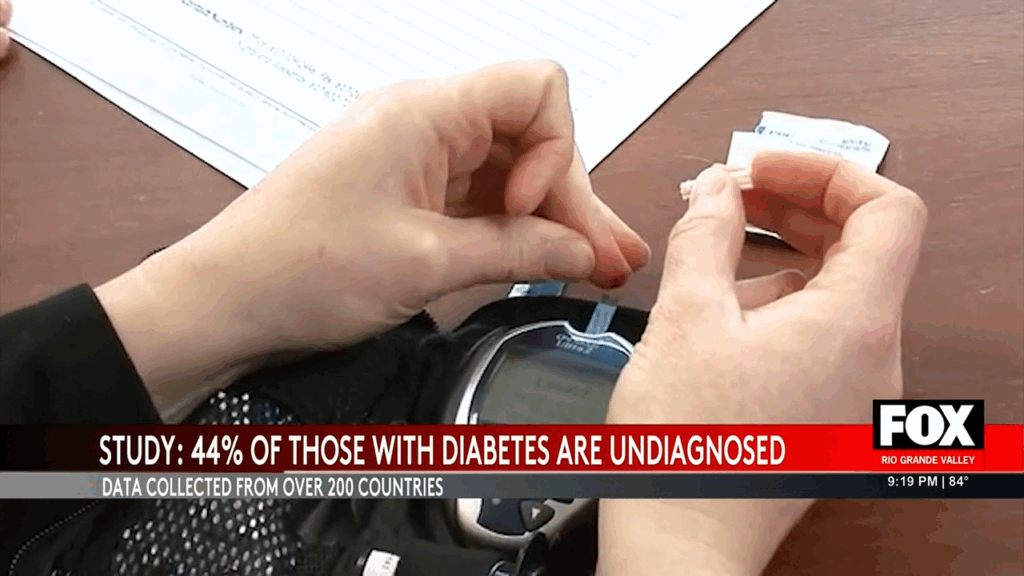
In a startling revelation, a recent global study has found that 44% of people living with Diabetes remain unaware of their condition. This data, gathered from over 200 countries and territories, underscores a significant gap in diabetes awareness and diagnosis worldwide.
The Undiagnosed Epidemic
According to the study, millions of individuals worldwide are living with diabetes without knowing it. This lack of awareness is particularly prevalent among younger people, who are significantly less likely to receive a diagnosis compared to older adults. The implications of this are profound, as undiagnosed diabetes can lead to severe long-term health complications, including heart disease, nerve damage, and vision problems.
Income Disparities in Diagnosis
The research also highlights a disparity in diabetes diagnosis between high-income and lower-income countries. Higher income countries are generally more effective in identifying cases of diabetes, thanks to better healthcare infrastructure and public health initiatives. These nations often have more resources to invest in awareness campaigns and screening programs, which play a critical role in early diagnosis and management of the condition.
Importance of Early Diagnosis
Experts stress the importance of early diagnosis in managing diabetes effectively. Catching the disease in its early stages can significantly reduce the risk of complications and improve the quality of life for individuals. Public health officials are advocating for increased awareness and screening efforts to identify undiagnosed cases, particularly in younger populations and in countries with fewer resources.
Conclusion
This new data calls for a global effort to address the gap in diabetes diagnosis. By enhancing awareness and access to healthcare, especially in lower-income regions, we can work towards reducing the number of undiagnosed cases and improving health outcomes for millions of people around the world.
Additional Resources
For more information on diabetes awareness and management, visit the World Health Organization's website or consult your local health department for resources available in your area.