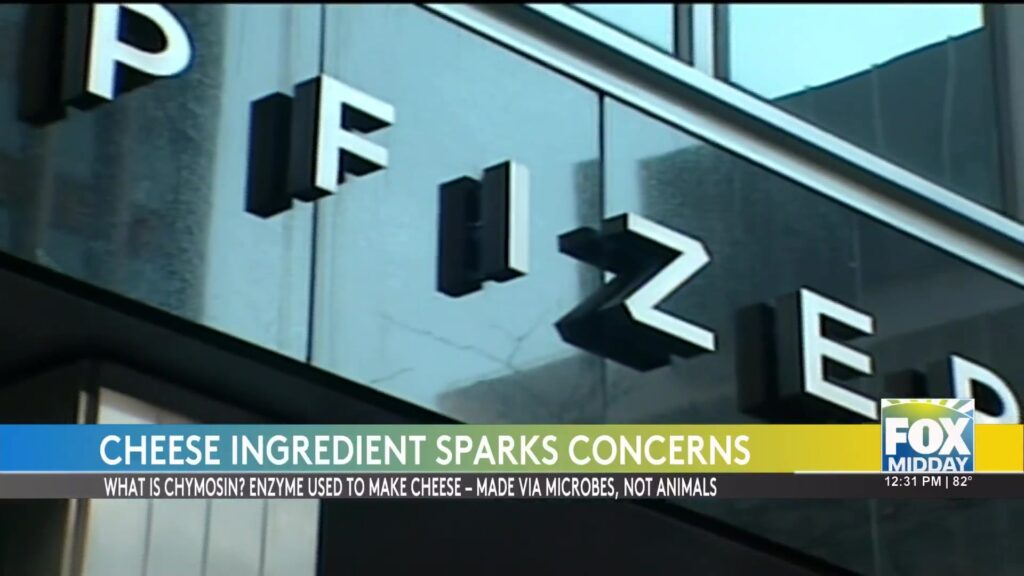
A recent article discussing the use of a lab-produced enzyme in U.S. cheese production has sparked an extensive online debate. This conversation has brought issues of food transparency and consumer choices to the forefront. The enzyme in question, known as fermentation-produced Chymosin, helps coagulate milk during cheese manufacturing. It was developed by scientists at Pfizer and has been widely adopted in commercial cheese production to replace traditional animal rennet, which is derived from the stomach lining of ruminant animals such as calves. This technological substitute has been integrated into many mainstream cheese brands available throughout the United States.
The push for alternatives like fermentation-produced Chymosin stems from the need to find a sustainable and ethical replacement for animal-derived rennet, especially as demand for cheese has increased globally. Despite these intentions, the introduction of this enzyme has raised discussions about ingredient sourcing, manufacturing processes, and the authenticity of food products available to the public.
Consumer Concerns
Social media platforms have become a hotbed for discussions about the origins and labeling of cheese products containing this lab-produced enzyme. Consumers are expressing surprise and concern, particularly about the potential health effects of consuming cheese made using this technology. The discourse reflects a broader concern about transparency in the food production process.
Despite these consumer apprehensions, government authorities like the U.S. Food and Drug Administration (FDA) have classified the enzyme as safe. The FDA and similar bodies have noted that no detectable modified material remains in the final cheese product, which is why separate GMO labeling is not required. This decision aligns with the existing regulatory framework governing genetically modified organisms and food labeling.
However, consumer unease persists, with many individuals questioning whether the absence of traditional ingredients compromises the perceived naturalness of their food. This skepticism is pushing more consumers to seek out cheeses labeled as organic or traditionally made, in hopes of purchasing products that align more closely with their values regarding food purity and sustainability.
Impact on Cheese Industry
The cheese industry is currently facing increased scrutiny and pressure to enhance labeling practices. As consumers become more informed and vigilant about the content of their food, they desire clarity about the ingredients used in their favorite products. This demand for transparency is prompting discussions within the industry on whether existing labeling standards sufficiently meet consumer expectations.
Producers are beginning to explore how they can more effectively communicate product ingredients and processes. This could mean providing more detailed product labels that disclose the origins of all ingredients, including fermentation-produced enzymes. Responding to consumer concerns may also involve education initiatives that highlight the safety and benefits of using such technological advancements in food production.
Some cheese manufacturers see this as an opportunity to differentiate their products by offering premium lines that are marketed as free from lab-produced enzymes. Meanwhile, others are lobbying for a unified approach to resolve inconsistencies in labeling that might be perceived as misleading. These changes could not only foster greater trust among consumers but also ensure that the industry remains resilient in the face of evolving market demands.
The Broader Discussion on Food Transparency
Beyond the cheese industry, this debate is indicative of a larger trend toward examining food production practices. This scrutinization is not isolated to rennet substitutes but extends to various facets of how modern technology is used in food creation — from production inputs to genetically modified organisms.
Consumers are demanding to know what exactly they are consuming and how it is produced, prompting industries worldwide to reconsider transparency as a core component of their operations. In some sectors, this shift is prompting renovation of product lines and marketing strategies to meet the public's growing desire for comprehensive information.
Additional Resources
For a deeper understanding of food labeling regulations in the United States and how they apply to cheese products, visit the U.S. Food and Drug Administration's official site at fda.gov. Additionally, try consulting resources provided by academic institutions to explore the impact of biotechnology in food production further.