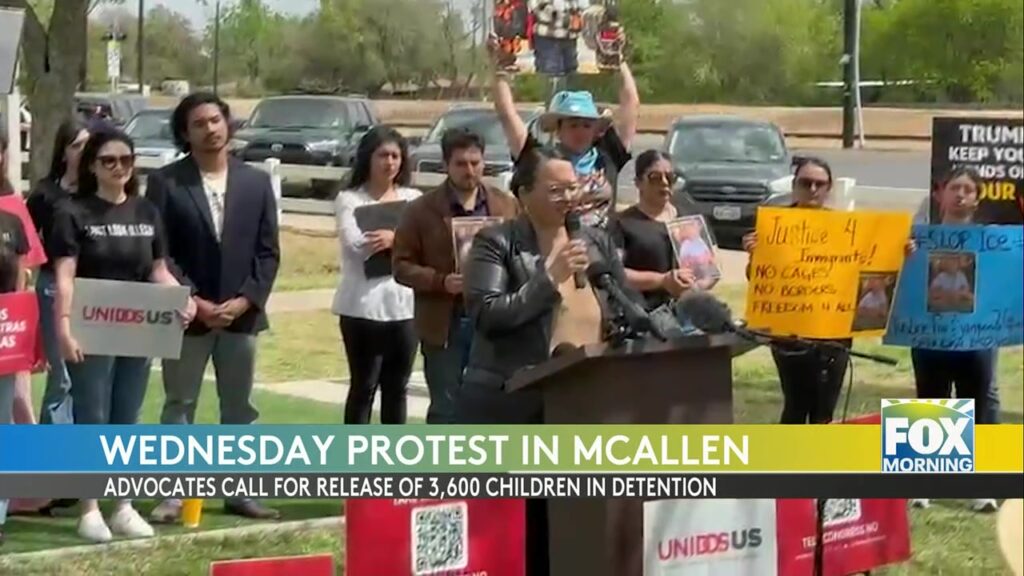
In recent years, immigration detention centers across the United States have become the focal point of a heated debate regarding their moral and legal standing, especially concerning the treatment of children. The issue has garnered substantial attention not just from activists and human rights organizations, but also from the broader public, who are increasingly conscious of the conditions faced by those in detention. The current dispute over the detention of more than 3,600 children in Texas highlights the complexities and challenges associated with immigration policy in the country.
The particular case of Gamis Guayar and his family stirred national discussions when they were released from detention, shedding light on the situation within these centers. Located primarily across the southern border states, these facilities are intended to manage the influx of immigrants and asylum seekers entering the U.S., yet have been criticized for their handling of detainee welfare.
Activists Demand Action
In McAllen, Texas, activists have significantly ramped up their advocacy efforts, demanding the release of children from detention centers. Organized demonstrations have become a regular occurrence, with various local community leaders and immigration advocates joining forces to apply pressure on Texas lawmakers. Their objective is clear: ensure the welfare and rights of the children who are currently held in these facilities are prioritized.
The release of the Guayar family was a significant victory for advocates, providing a platform to amplify their calls for wider reforms. Activists argue that children, who are the most vulnerable, should not be subjected to the conditions within these centers. The call for action is particularly poignant, given the emotional and developmental impacts these experiences have on young children.
Health and Safety Concerns
Concerns regarding the health and safety conditions in these detention centers have been well documented by various reports, including those from the National Court of Justice. Reports indicate that the living conditions are unsanitary, with inadequate access to necessary medical care, which raises significant concerns about the long-term health implications for detainees.
Critics such as Joaquin Gastro and Jasmine Croquet have been vocal about the need for major reforms, stressing that the current situation is untenable and goes against basic human rights standards. These centers have been described as unsafe and unfit for families and children, whose needs are not being adequately met.
Official Response
In response to the growing criticisms, federal authorities have been defensive of their operations. Officials categorize these centers as essential to maintaining national security and border integrity. They claim that the centers are equipped with necessary medical facilities and comply with safety regulations, arguing that they play an essential role in the comprehensive process of managing border security.
Despite these assertions, scrutiny from advocacy groups remains high, with ongoing demands for transparency and adherence to humane standards. The tension reflects a broader national discourse on the balance between security and compassion, a theme that resonates deeply across political and social spheres in the U.S.
Additional Resources
For more information on U.S. immigration policies and regulations, visit the Department of Homeland Security’s official website at dhs.gov.