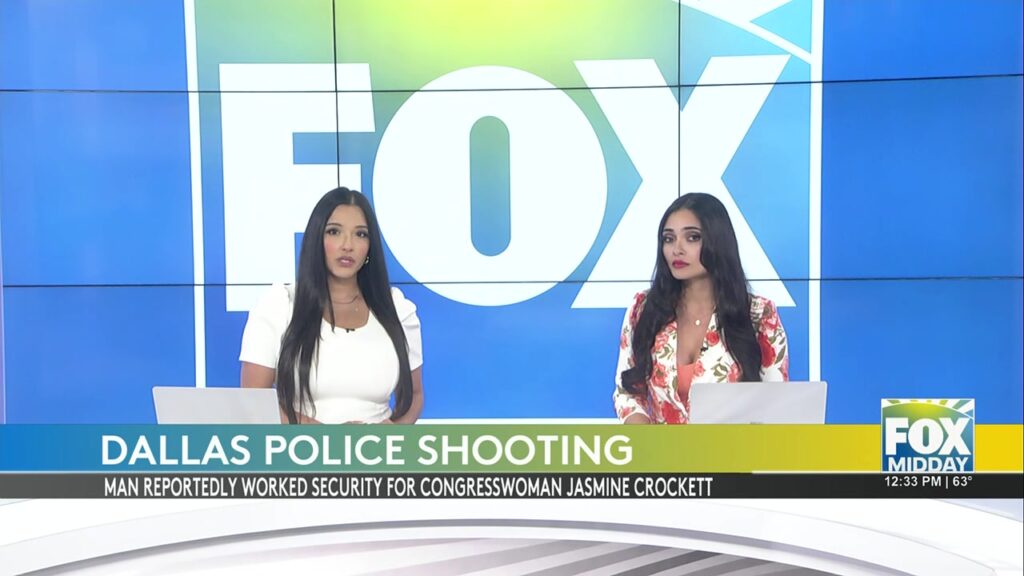
In the early days of September, a shooting incident in Dallas has sparked intense debate and concern about the security measures in place for political figures. The focal point of this discourse is the fatal shooting of Damien Moss Area Robinson, an individual linked with Congresswoman Jasmine Crockett’s security detail. This incident has not only raised questions about the specific circumstances surrounding the shooting but has also highlighted broader concerns regarding the vetting and management of security personnel contracted by political entities.
The incident unfolded in a parking garage at the Children's Medical Center in Dallas, where Robinson was fatally shot by the police during a confrontation. This has drawn attention not just because of the tragic loss of life but due to Robinson's previous role as security personnel for Congresswoman Jasmine Crockett, bringing the issue of security vetting processes to the forefront. This brings into focus the intricacies involved in ensuring the safety of political figures without compromising on the integrity and reliability of the security personnel employed.
Security Concerns After Fatal Dallas Shooting
As the incident gains widespread media attention, concerns are being voiced over the existing security standards for those who serve political figures. Robinson’s role in the aforementioned standoff and his previous affiliation with Congresswoman Crockett have led many to question whether there are sufficient checks and measures in place when hiring security personnel for those in public office.
The situation escalated when Robinson, who had a warrant out for his arrest, chose to barricade himself in a vehicle. With law enforcement resorting to the use of tear gas, the standoff culminated in Robinson exiting the car armed, which led to officers opening fire. This incident has spurred a deeper investigation into both Robinson's background and the events leading up to the shooting.
Robinson’s Checkered Past
Investigations into Robinson's past have revealed a history marked by criminal activities and the use of multiple aliases. These factors inevitably raise red flags about the vetting process for security personnel associated with political campaigns. Robinson's business, which reportedly involved placing officers and security personnel, has come under scrutiny, highlighting potential vulnerabilities within the systems currently employed to hire political security personnel.
Authorities continue to delve into the details not only of Robinson’s arrest and subsequent shooting but also of his criminal background. This broader investigation seeks to understand how individuals with such histories manage to secure positions within politically sensitive environments and what steps can be taken to prevent similar incidents in the future.
Reactions and Possible Changes
As this case unfolds, the reaction from Congresswoman Jasmine Crockett remains closely watched. To date, her office has remained silent, although it is expected to address the incident given the public interest and the implications for political security frameworks. This scenario underscores the potential shift in how security personnel are managed and vetted in political environments.
The implications of this shooting go beyond the immediate details of the incident; they serve as a catalyst for potential policy change in how political figures, from Congress members to other state officials, are protected. Discussions may revolve around enhanced background checks, stricter hiring criteria, and more rigorous oversight mechanisms to mitigate risks to safety and reputation.
Additional Resources
For further information on protocols regarding security personnel vetting and related concerns, readers can refer to organizations that provide guidelines and oversight in such matters. A relevant resource includes the Federal Bureau of Investigation, which offers insights into the regulation of security services, available at fbi.gov.