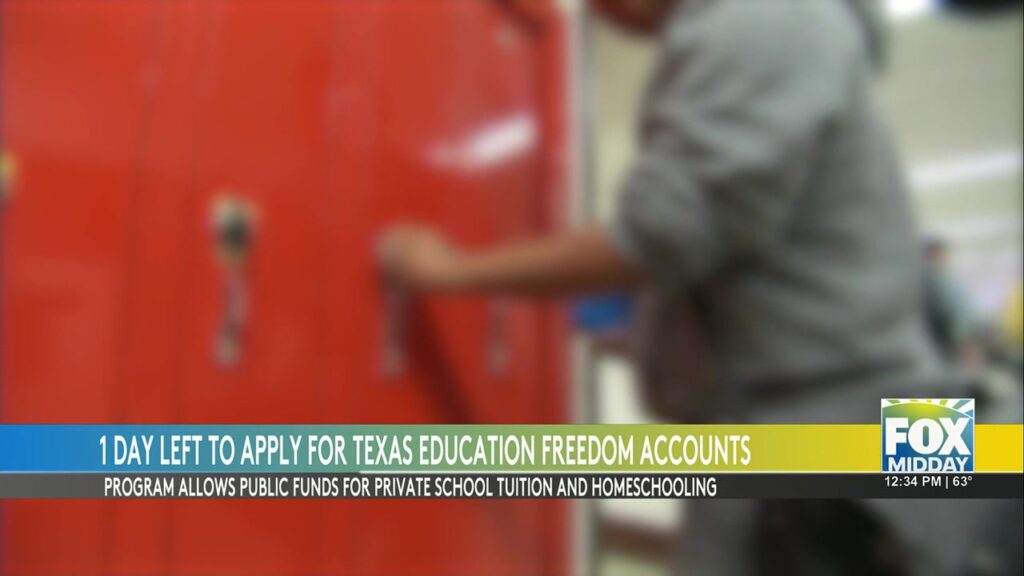
In the rapidly evolving landscape of education reform, the state of Texas is making headlines with its Texas Education Freedom Accounts (TEFA) program. Launched as a billion-dollar school choice initiative, TEFA represents a significant shift in educational policy, offering families the ability to leverage public funds for private schooling, homeschooling, and a variety of other educational expenses. As the deadline for applications rapidly approaches, families across Texas are scrambling to take advantage of this new opportunity. However, the rollout of the program has not been without challenges.
The TEFA initiative is designed to provide more educational flexibility, empowering families to make choices that best suit their children's unique learning needs. Yet, as with any groundbreaking initiative, its implementation has encountered hurdles. State officials have reported widespread confusion regarding eligibility criteria, particularly among families of pre-kindergarten students.
Texas Education Program Faces Deadline
With just one day left for Texas families to apply, the pressure is mounting. The introduction of TEFA marks a substantial step toward educational choice, but the program's rapid rollout has left many scrambling to understand its details. The TEFA fund, amounting to $1 billion, aims to provide financial assistance to families seeking alternatives to traditional public schooling by covering costs such as private school tuition and homeschooling supplies.
The excitement surrounding the TEFA program is palpable, but it is accompanied by significant obstacles. Many families are still unclear about who qualifies for these accounts. The confusion stems primarily from the program's eligibility standards, which are designed to parallel those of free public Pre-K. Unfortunately, this misunderstanding has resulted in about half of the Pre-K applications being disqualified, suggesting a gap in communication and understanding between the state and its residents.
Eligibility Challenges and Lottery System
Eligibility has emerged as a central issue in the TEFA rollout. Applicants must meet specific criteria reminiscent of free public Pre-K eligibility to qualify for the program. This has proven to be a stumbling block for many families, particularly those unfamiliar with navigating public assistance programs. In response to the overwhelming number of applications across all schooling levels, the state implemented a lottery system, which gives priority to students with disabilities and those from low to moderate-income families.
These difficulties highlight the broader challenges of implementing substantial educational reforms at the state level. Programs like TEFA are often launched with the best intentions, but execution can reveal gaps between policy goals and the practicalities of everyday implementation. As TEFA continues to evolve, the state will need to address these discrepancies to ensure that the program meets its intended objectives without alienating the very families it aims to support.
Financial Impact and Future Outlook
For eligible families, the financial support from the TEFA could make a significant difference. The program promises an average of $10,474 per student for the upcoming school year, providing a crucial financial bridge for families eager to explore alternative educational options. However, the stark reality is that not all applicants will secure the funding due to the competitive nature of the selection process.
As Texas officials continue to refine the program's operations, there is an overarching sense of optimism regarding its potential to transform educational opportunities across the state. The ongoing challenge will be to ensure that the enthusiasm for school choice does not overshadow the necessary focus on equitable access and support for all students, regardless of their background.
Looking ahead, the Texas Education Agency and other stakeholders will need to work collaboratively to address the current issues and enhance the program's accessibility and transparency. The ultimate goal is to create a sustainable framework that genuinely supports educational choice and innovation across the Lone Star State.
Additional Resources
Texas Education Agency