In the political heart of the United States, on Capitol Hill, Oklahoma Senator Markwayne Mullin is at the center of tense confirmation hearings as he pursues the position of Secretary of Homeland Security. These proceedings are taking place amid a politically tumultuous environment, with a partial shutdown of the Department of Homeland Security (DHS) adding urgency and complexity to the situation. Senator Mullin's nomination could have significant implications for national security and departmental strategies.
The Department of Homeland Security, a key player in ensuring the safety and security of the nation, has been embroiled in a budgetary impasse that also implicates broader debates about immigration and security policies. This context heightens the scrutiny Mullin faces even further, as both the Senate and the American public examine his measures and leadership strategies for steering the DHS during these challenging times.
The Hearing and Key Issues
The confirmation hearing for Senator Mullin is critical, given the backdrop of uncertainty and division within the DHS. As the nation faces multiple vulnerabilities, Mullin's proposed policies and leadership vision come under intense review. The Senate panel, including notable members like Senator Rand Paul, voiced concerns, signaling both internal divisions within government ranks and the contentious nature of security policy itself.
One aspect under scrutiny is Mullin's approach to stabilization efforts for the DHS. With homeland security undeniably a top national priority, the stakes of this confirmation hearing are paramount. Senator Rand Paul challenged Mullin on various points, questioning whether his approach and views align with or oppose the prevailing Republican stance on security and governance issues.
Background and Reactions
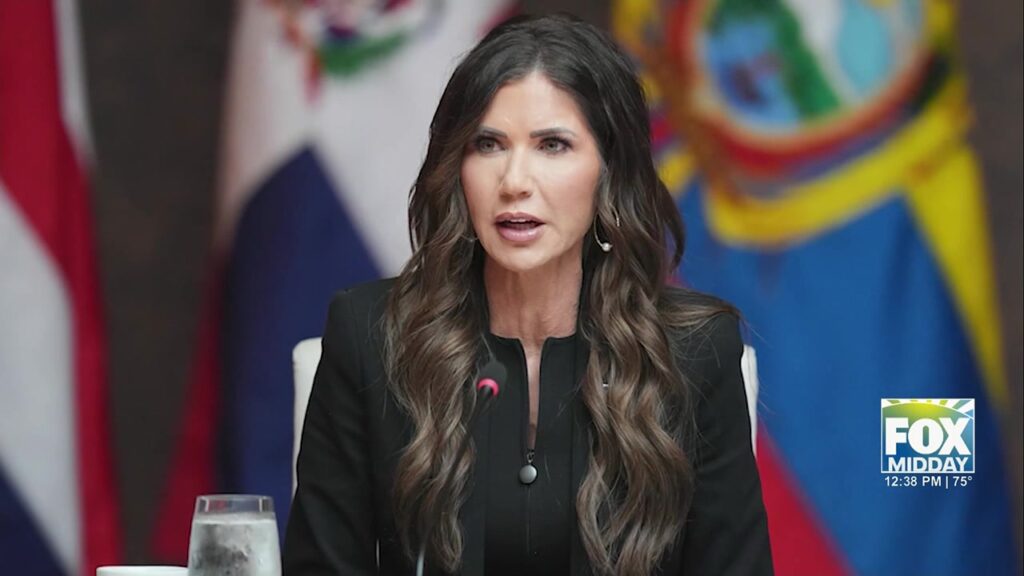
President Trump nominated Mullin to the DHS post following Kristi Noem's removal amid controversial developments surrounding federal agents’ actions and high-profile security incidents. This change in leadership happened at a crucial time, adding pressure to Mullin's bid to gain confirmation approval from the Senate.
As a potential leader of DHS, Mullin must grapple with not only immediate departmental challenges but also broader political dynamics that influence policy directions. With immigration and deportation policies remaining central to separate yet connected debates, Mullin’s strategy for operational restoration and direction-setting for the DHS is of keen interest to lawmakers.
The Future of Homeland Security
Mullin's strategic plans for the DHS, if confirmed, are anticipated to involve significant discussions on departmental funding and initiatives. The prospective secretary’s policies must address operational challenges that loom large over the DHS, touching upon key areas such as immigration reform, enforcement potential, and fortification of domestic security measures.
These hearings represent a vital moment for Mullin’s potential role in redefining the operational landscape of the DHS. His nomination poses a pivotal question about achieving practical progress versus entrenched opposition. Should Mullin be confirmed, he will be tasked with coordinating pivotal policies addressing the responsibilities and efficacy of DHS enforcement and strategy, all while maintaining national stability.
Additional Resources
For those interested in further exploring the Department of Homeland Security and its initiatives, additional information can be found on the Department of Homeland Security's official website.