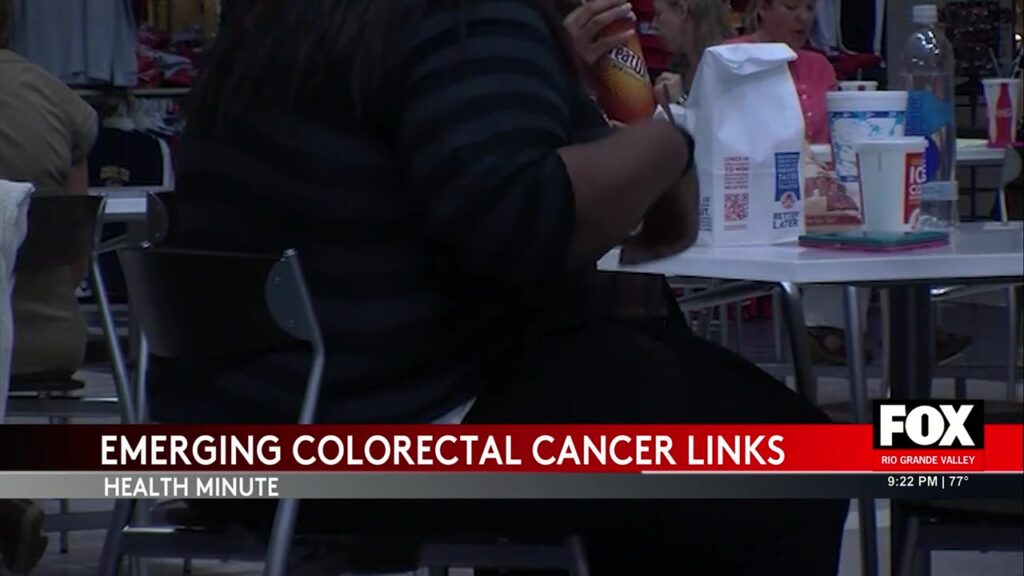
In recent years, a troubling trend has emerged in the realm of public health. Increasingly, adults under the age of 50 are being diagnosed with colorectal cancer. Although the exact reasons for this surge are not fully understood, there's rising awareness and research pointing towards dietary habits as a significant contributing factor. Experts are highlighting the urgent need to re-evaluate our daily food choices as a way to combat this alarming rise in early-onset colorectal cancer cases.
Dr. Shana Sultan from the University of Minnesota is among the specialists shedding light on this issue. She emphasizes the importance of lifestyle choices and aims to educate the public on modifiable risk factors that are within our control. While genetics and age are immutable risk contributors, other factors such as diet offer a promising avenue for prevention.
Understanding the Rise
The increase in colorectal cancer cases among younger adults is concerning, and spotting this trend early is critical. Previously, colorectal cancer was perceived largely as an issue affecting older populations, yet data now indicates a shift. Various lifestyle factors have been under scrutiny, but the role of diet is becoming increasingly significant. Research suggests that diets rich in red and processed meats and low in fiber-rich foods are linked to higher risks of developing colorectal cancer.
This dramatic rise calls for improved understanding and awareness. While some contributing factors such as genetics and certain medical conditions remain non-modifiable, other risk aspects like diet and lifestyle offer paths for intervention. Identifying these risks early can empower individuals to make informed choices that might help reduce their cancer risk.
Dietary Risk Factors
The Western diet, characterized by high consumption of processed foods, sugars, and unhealthy fats, is under intense scrutiny. These dietary patterns, prevalent in many developed countries, often feature ultra-processed foods that are low in nutritional value and high in substances detrimental to health. Such diets are frequently lacking in essential nutrients, including fibers and various vitamins, which could otherwise aid in the prevention of disease.
Dr. Sultan highlights the critical need for education in reading nutrition labels and making informed food choices. By prioritizing whole, minimally processed foods, individuals can significantly lower their risk of developing colorectal cancer. Foods rich in fibers, such as fruits, vegetables, and whole grains, are known to enhance digestion and improve gut health, potentially offering protective benefits against cancer.
Preventative Measures
Shifting dietary habits and embracing healthier eating patterns are highly recommended strategies in reducing colorectal cancer risk. Emphasizing home-cooked meals allows for greater control over ingredients and portion sizes, making it easier to avoid unhealthy additives and excess consumption of red and processed meats.
Incorporating a wide variety of nutrient-dense foods, such as leafy greens, legumes, and berries can boost antioxidants and fibers vital for maintaining a balanced gut microbiome. Regular physical activity, maintaining a healthy weight, and limiting alcohol consumption also constitute critical components of an overall lifestyle approach to cancer prevention.
Public health initiatives and education campaigns play a pivotal role in elevating awareness and encouraging proactive measures within communities. Through these efforts, it's hoped that younger populations will be better equipped to make lifestyle choices that support long-term health and reduce cancer risks.
Additional Resources
For more information on colorectal cancer prevention, the Centers for Disease Control and Prevention offers a wealth of resources and guidance. Encouraging everyone to stay informed and proactive can effectively contribute to lowering the incidence of this disease, not only among younger generations but across all age groups.