As temperatures are set to plummet this weekend, Cold Front Preparation becomes critical for residents looking to safeguard their homes and families. Experts urge individuals to brace for the cold with a series of essential weather safety tips. With the right preparation, you can ensure that your home remains safe and warm during the cold front.
Key Cold Front Preparation Strategies
One of the first steps in Cold Front Preparation is ensuring that your home is equipped with essential items like hand warmers, beanies, and heaters. Stores have reported a surge in sales for these cold weather essentials as residents gear up for the chilly conditions. Experts recommend monitoring heater usage closely, emphasizing that heaters should be plugged directly into wall outlets to avoid potential hazards. Additionally, using a stove for heating is strongly discouraged due to the risk of carbon monoxide poisoning.
For those considering a generator, it's vital to follow safety protocols. Generators should be placed outdoors, at least 25 feet away from any structures, and should never be connected directly to a home's wiring system. These precautions can prevent dangerous situations and ensure that your backup power source operates safely and effectively.
Protecting Your Home's Infrastructure
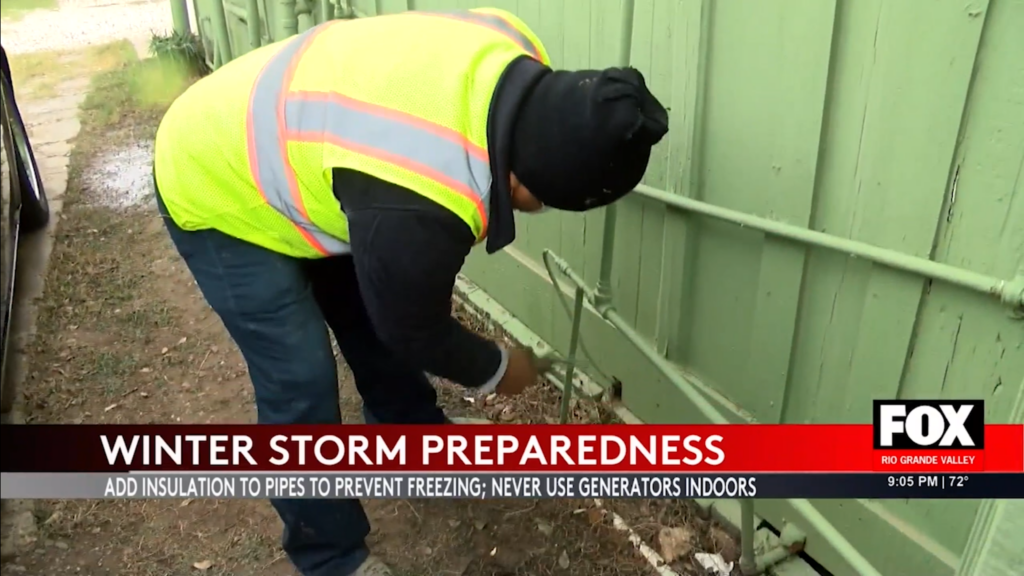
Cold Front Preparation also involves safeguarding your home's infrastructure. Exposed pipes and tubing need to be properly insulated to prevent freezing. Simple measures, such as allowing a trickle of water to flow through faucets, can prevent the water in pipes from freezing and causing potential damage.
Inside the home, maintaining a small flow of water in your kitchen or bathroom faucets can keep your pipes from freezing. This simple action can prevent the build-up of pressure that might otherwise lead to burst pipes during severe cold spells.
Additional Resources
For comprehensive guidelines on home safety during cold weather, visit the official National Weather Service website at weather.gov for more information and updates.