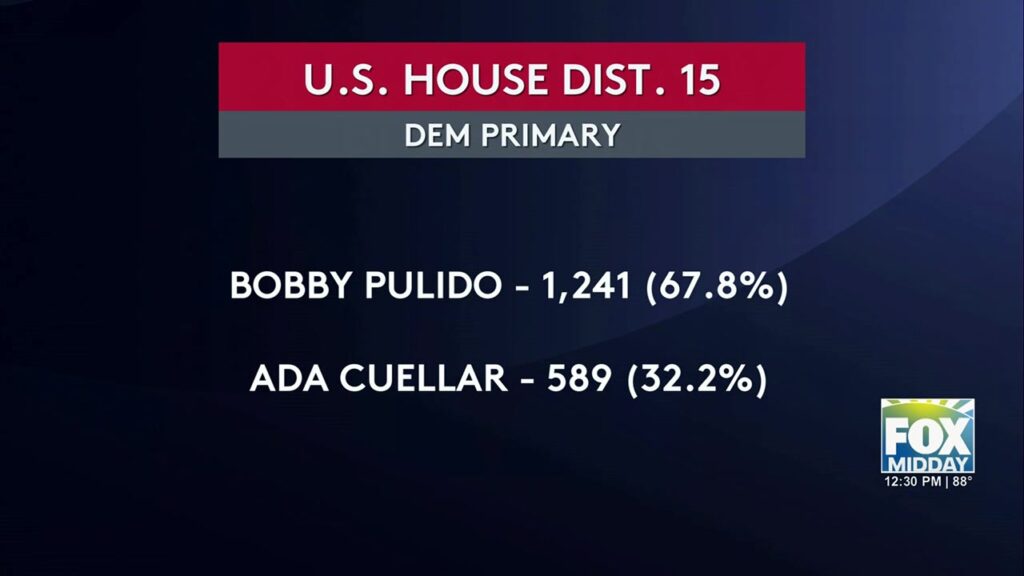
In one of the most closely watched political contests of the year, the race for Texas's 15th Congressional District is heating up. This district, which spans several counties in South Texas, has been a cornerstone of Democratic strength for over a century, but recent redistricting and shifting demographics have turned it into a battleground territory. The upcoming elections promise to be a critical moment, offering an insight into whether the Democrats can maintain their historical hold or if the Republicans can further penetrate this South Texas stronghold.
The 15th Congressional District includes parts of Hidalgo, Brooks, Jim Wells, Live Oak, Karnes, and Wilson counties. These areas, rich in cultural diversity and economic challenges, have until recently offered Democrats a secure base. However, the 2020 census prompted a redistricting of Texas's congressional map, fundamentally altering the district's political landscape. As a result, the path to victory for any candidate demands a keen understanding of local issues and an ability to connect with a varied voter base.
As both parties ramp up their campaigns leading into the November elections, the candidates are under the microscope, with voters assessing their capabilities and commitment to addressing key regional concerns.
Redistricting Impacts
The reshaping of district boundaries following the 2020 census has injected a fresh dynamic into the Texas 15th Congressional race. By carving out new sections and altering demographics, redistricting has bluntly shifted the political calculus. Candidates have had to reshape their strategies swiftly to appeal to voters in the redesigned district.
The new map presents opportunities for both major political parties to test and potentially expand their influence. As a result, candidates are focused on key areas, such as healthcare, infrastructural development, economic sustainability, and education, which are at the forefront of concerns for many constituents.
Candidate Backgrounds
Representing the Democratic camp, Dr. A la Way of, a physician by profession, brings a wealth of experience addressing healthcare disparities, a critical issue in her district. Her background gives her nuanced insights into public health and welfare, issues that resonate deeply with many voters grappling with access to affordable healthcare.
Her campaign has leveraged her medical expertise, portraying her as a candidate who understands the immediate health challenges faced by her community. This focus on healthcare aims to garner the support of voters who prioritize accessible health solutions.
Meanwhile, her opponent, a well-known music artist, spearheads the Republican effort with campaigns centered on economic issues, particularly infrastructural reforms and the ever-increasing cost of living. These are issues pervasive throughout South Texas, making them critical considerations for voters impacted by economic challenges.
The artist's approach aims to resonate with constituents who prioritize economic stability and improvements in living conditions. Both candidates have effectively captured elements of the local cultural and economic fabric within their campaign narratives, making the race highly competitive and deeply engaging for the electorate.
Future Implications
Regardless of the outcome, this election promises to offer insights into broader political trends affecting Texas and the nation. Given its long history as a Democratic stronghold, a shift in the 15th district could signal a broader realignment in South Texas politics. It could also reflect national trends regarding demographic changes and shifting priorities among voters that might influence future political strategies across the United States.
The significance of this race extends beyond borders, as it could inspire changes in how political parties approach similar districts elsewhere, focusing more on localized issues while adapting to changing demographics and political landscapes.
Additional Resources
For more detailed information on Texas Congressional districts, including maps and demographic data, visit the official Texas Legislative Council's redistricting page at redistricting.capitol.texas.gov.