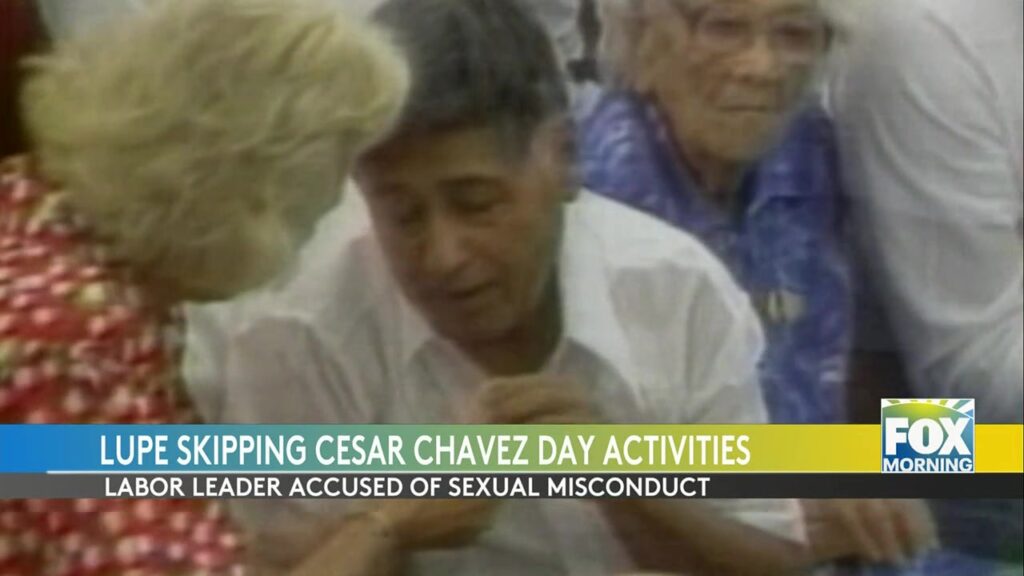
The decision to cancel Chavez Day celebrations has sparked intense debate and discussion about the legacy of labor leaders and the importance of accountability. The cancellation, led by La Unión del Pueblo Entero (LUPA), comes amid a series of sexual misconduct allegations against Cesar Chavez, the co-founder of the United Farm Workers (UFW). Though recognized for his crucial role in advancing labor rights, these allegations have put a blemish on Chavez's storied legacy.
Chavez Day, established to honor the contributions of Chavez to labor rights and civil justice, has traditionally been a day for Americans to reflect on the progress made in workers' rights movements. However, this year's observances have taken a backseat to the controversy, forcing organizations and communities to reassess how they celebrate figures from the past.
Canceling Chavez Day Celebrations
In an unexpected turn of events, LUPA has announced its withdrawal from Chavez Day celebrations. The announcement, which followed serious allegations of sexual misconduct against Chavez, reflects the organization’s stance on the importance of maintaining a safe and respectful environment. LUPA, committed to community safety and transparency, expressed that such celebrations would be inappropriate given the gravity of the allegations.
Many other organizations and cities nationwide, including those in Houston, San Antonio, and Corpus Christi, have also decided to cancel their events. This unified response underscores a growing emphasis on holding leaders accountable, regardless of their contributions to social and labor movements.
Allegations Surface
The allegations against Chavez have emerged as a significant blow to the labor and civil rights communities. Accusations of inappropriate behavior towards women and teenage girls have been met with serious concern, leading LUPA to issue a statement acknowledging the profound impact on their Mission to foster safe and respectful communities. The statement highlights the organization's commitment to addressing these issues head-on and ensuring a transparent response.
These allegations have provoked discussion about the ethical responsibilities of organizations that honor historical figures. As society continues to reckon with past and present misconduct, the future of celebrating such leaders remains uncertain.
Nationwide Cancellations
The decision to cancel Chavez Day events has not been isolated to LUPA. Cities and organizations across the United States, including large urban centers such as Houston, San Antonio, and Corpus Christi, have similarly scrapped their planned celebrations. This wave of cancellations points to a larger movement towards accountability and the reevaluation of how society venerates influential yet flawed figures. By choosing to cancel, these communities send a clear message that they will not overlook allegations of misconduct, regardless of the accolades associated with the individuals involved.
This illustrates a broader cultural shift where misconduct allegations are treated with the seriousness they deserve, and historical contributions, although honored, are not placed above the imperative of addressing harmful behaviors.
Additional Resources
For further information on community safety and upholding civil rights, visit the U.S. Equal Employment Opportunity Commission. This resource offers guidance and support to individuals and organizations seeking to foster inclusive and respectful environments.