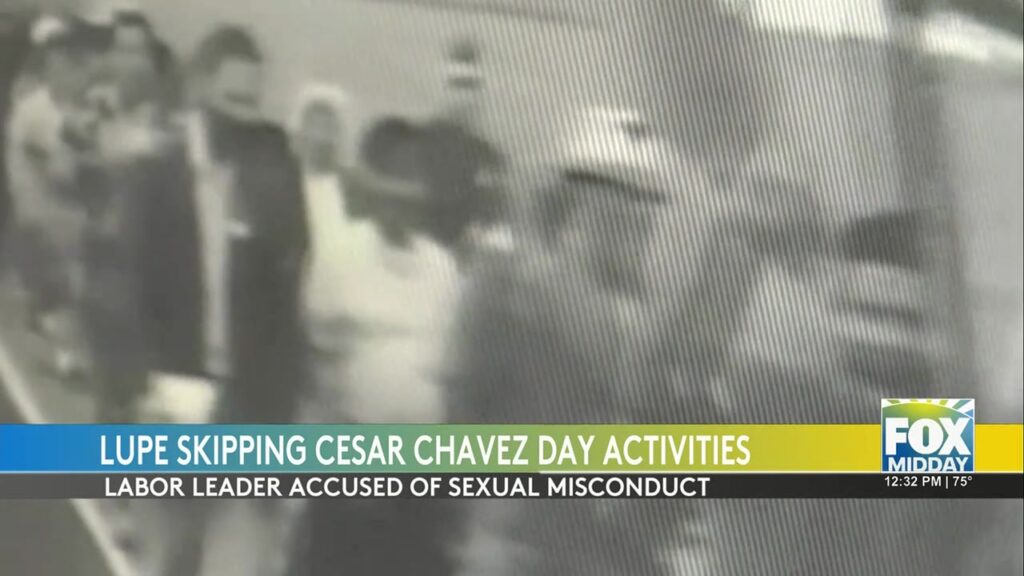
Cesar Chavez Day, an occasion usually marked by celebrations honoring the legacy of the labor and civil rights leader, has been notably overshadowed by serious allegations that have led to widespread boycotts and event cancellations. These developments have underscored a significant moment for both Chavez's legacy and the community honoring these memories, shining a spotlight on longstanding issues of historical accountability and justice within the movement.
Chavez, known for co-founding the United Farm Workers (UFW) and his tireless work in advocating for labor rights, has been accused of inappropriate behavior with women and teenage girls. These allegations have prompted widespread scrutiny, leading prominent organizations like La Unión del Pueblo Entero (LUPA) to publicly withdraw from participating in the traditional celebrations.
The Allegations and Immediate Reactions
The news of misconduct allegations against Cesar Chavez has sent ripples through communities that have long revered his contributions to labor rights. LUPA, a significant organization within the community advocating for farm workers' rights, announced it would not participate in any Cesar Chavez Day activities this year. This move sends a strong message about prioritizing ethical integrity over blind hero worship, reflecting a broader societal reckoning with historical figures previously held in high esteem.
Chavez, whose efforts dramatically improved working conditions for countless farm workers, now faces a revision of his historical standing in light of these allegations. The revelation serves as a critical reminder of the complex nature of legacy and the difficulty of reconciling towering accomplishments with personal failings.
Steps Toward Accountability
In response to these disturbing allegations, LUPA is taking decisive steps to ensure proper accountability and support for victims. The organization has collaborated with other farm worker groups to establish a confidential process where victims can safely share their stories. This initiative seeks to provide both healing for the victims and a framework for potential reparations and accountability.
This approach mirrors broader societal efforts towards truth and reconciliation, acknowledging the trauma and harm experienced by victims while simultaneously striving for justice and reform. The movement to address these issues isn't just about addressing past wrongs but also creating a more equitable future for those in the community who remain vulnerable today.
Wider Impacts and Cancellations
The effects of these allegations have been felt Pharr beyond the immediate circles of farm worker advocacy organizations, leading to the cancellation of multiple celebrations across the country. Major cities such as Houston, San Antonio, and Corpus Christi have seen planned events called off, reflecting a broader recalibration of community values and priorities.
The United Farm Workers (UFW), an organization Chavez co-founded, has also refrained from participating in events scheduled for March 31st, reinforcing the message that accountability supersedes tradition. This marks a critical juncture for the communities and organizations involved, challenging them to navigate the complexities of honoring a legacy marred by controversy.
While these cancellations have undoubtedly disappointed many intending to honor Chavez’s achievements, they also represent a necessary step in acknowledging and addressing serious allegations. It emphasizes a growing insistence on transparency and integrity within movements that have historically prided themselves on justice and equality.
Additional Resources
For further information on labor rights and historical accountability, visit the U.S. Department of Labor.