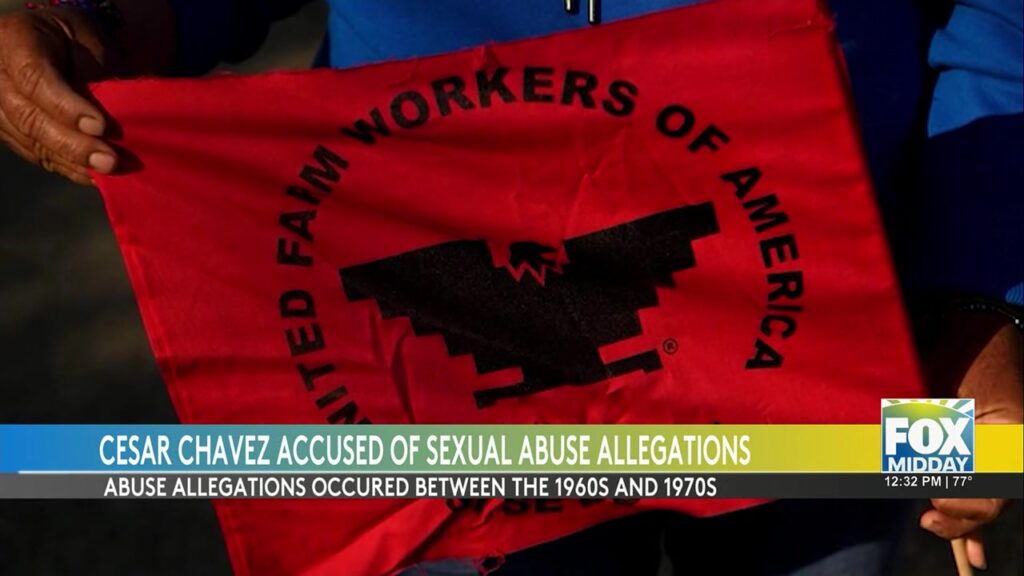
The recent allegations against Cesar Chavez, a historically significant labor and civil rights leader, have shocked many across the nation. A New York Times investigation has divulged serious accusations against Chavez, claiming that he was involved in sexually abusing women and girls during the 1960s and 1970s. As these revelations unfold, communities and activists who have long respected Chavez for his monumental contributions to the labor union movement are grappling with the implications.
Chavez was instrumental in founding the United Farm Workers (UFW), fighting for farm workers' rights and improving working conditions. His legacy was cemented in the annals of American history as a representative of justice and advocacy for the voiceless. However, the emerging accusations bring forth a complex and disturbing narrative that challenges this legacy.
Shocking Allegations Surface
The New York Times engaged in an extensive investigation, interviewing over 60 individuals, reviewing union records, and examining other pertinent documents. The report details the alleged misconduct, framing it within the broader context of Chavez’s work and the times he lived in. These allegations initially surfaced from Dolores Huerta, Chavez’s fellow co-founder of the UFW, who courageously shared her experiences under Chavez’s leadership. Huerta's testimony, given with reluctance, speaks of two encounters with Chavez that led to unwanted pregnancies, portraying her subsequent journey through these ordeals as one of survival and resilience.
Voices Against Chavez
Dolores Huerta, a distinguished activist on her own merits, has long been known for her tenacity in standing against injustice. In stepping forward with her experiences, she cast light not only on her personal encounters but also on a potentially widespread issue within the organization that Chavez led. Huerta's decision to speak out is seen as a significant move within the activist community, offering both validation and encouragement to others who may have similar experiences.
The disclosures lead to broader questions about how revered figures are remembered and celebrated. As Huerta positions herself as a survivor, the narrative shifts from one of unquestioning admiration of historical figures to a more nuanced understanding that includes acknowledging their faults.
Cancellations in Response to Allegations
In reaction to these grave accusations, many renowned organizations have decided to cancel events across major Texas cities, including Houston, San Antonio, Austin, and Corpus Christi, that were set to honor Chavez through the annual Cesar Chavez Day. Governor Greg Abbott has announced that the holiday will not be observed this year, marking a significant departure from tradition and echoing the growing calls for change in how Chavez’s legacy is honored. Discussions have begun on possibly redefining the day to celebrate figures like Dolores Huerta, whose contributions to the labor movement are equally noteworthy.
State Representative Ramón Romero Jr., among other lawmakers, is entering into discussions about the appropriate way forward, examining the impact of these allegations on social justice initiatives that have long been inspired by Chavez's work.
Additional Resources
For more information about historical figures and to explore their legacies, visit the National Archives at archives.gov.