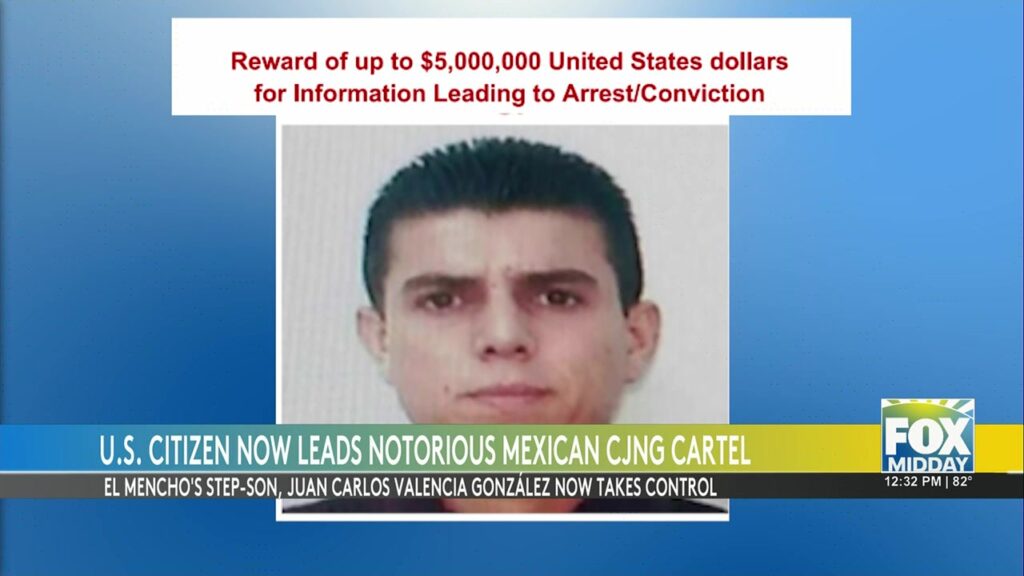
The intersection of crime, borders, and international law enforcement has taken a serious turn as a U.S. citizen ascends to a position of power within one of Mexico's most dangerous cartels. The Jalisco New Generation Cartel (CJNG), infamous for its violent operations and vast drug trafficking network, now has Juan Carlos Valencia Gonzalez, a 41-year-old American, as its new leader. This shift in leadership presents a formidable challenge for authorities in both Mexico and the United States, as they strive to manage the implications of having an American citizen at the helm of such a powerful organization.
The ascension of Valencia Gonzalez to this leadership role follows the death of the cartel's previous leader, Nemesio Oseguera Cervantes, also known as "El Mencho." Oseguera's tenure was marked by aggressive expansion and violent turf wars, leaving the CJNG as one of Mexico's preeminent criminal groups. Valencia Gonzalez's new role brings him under international scrutiny, as both nations navigate the legal complexities of addressing cross-border criminal activity perpetrated by an American citizen.
The intricate dynamics of this situation are intensified by the regional influence of the CJNG. Known for its dominance over parts of Mexico and its strategic infiltration into various U.S. states, the cartel's operations extend beyond traditional narcotics trade to include financial crimes and other illicit enterprises. The arrival of a U.S. citizen in a leadership position within the cartel puts Mexican and American authorities on high alert, prompting an urgent need for diplomatic and strategic collaboration.
American Leader Empowers Mexican Cartel Operations
Alarming revelations have emerged about a U.S. citizen's ascension to the forefront of one of Mexico's most notorious drug cartels. This new development underscores the growing complexity of cross-border criminal activities and highlights potential challenges for U.S. and Mexican authorities alike.
Background of the New Cartel Leader
Juan Carlos Valencia Gonzalez's rise to leadership is emblematic of the evolving nature of international crime networks. Born in the United States, Valencia Gonzalez is reportedly the stepson of a former cartel boss, which shrouds his personal history in intrigue. Although details about his background remain limited, his leadership is anticipated to influence the cartel's strategies and operations significantly. Sources indicate that Valencia Gonzalez's leadership represents a generational shift within the cartel's hierarchy, potentially heralding a new era in its criminal activities.
Valencia Gonzalez's connection to both American and Mexican territories presents unique challenges for law enforcement. Geopolitical boundaries, although firmly established, hold little sway over criminal enterprises that utilize transnational networks to further their objectives. This scenario complicates efforts by authorities who must now factor in citizenship and jurisdictional constraints when strategizing against the cartel's operations.
Implications for U.S. Agencies
The implications of having an American citizen lead the CJNG are profound. The legal framework in the United States complicates efforts to surveil, track, or prosecute Valencia Gonzalez while overseas. Traditional operations against foreign entities must now be recalibrated to address this unprecedented challenge. In the face of these obstacles, U.S. authorities have intensified their efforts, announcing a substantial $5 million reward for information leading to his arrest. This reward aims to incentivize informants and enhance intelligence-gathering to support joint operations with Mexican officials.
As the CJNG perpetuates its role in multi-billion dollar drug trafficking ventures, financial crime, and violent turf battles, collaboration between American and Mexican law enforcement becomes paramount. Organizations such as the Drug Enforcement Administration (DEA) and Mexico's Federal Police are tasked with dismantling this robust cartel infrastructure, requiring a delicate balance of global diplomacy, legal acumen, and tactical precision.
The presence of Valencia Gonzalez at the helm of the CJNG underscores the multifaceted nature of modern-day crime syndicates. This revelation highlights the increasingly blurred lines between citizenship and criminal activity, pressing the need for enhanced international cooperation and innovative legal strategies to address the realities of global crime.
Additional Resources
For more information on international crime and narcotics operations, you can visit the U.S. Department of State's official page.