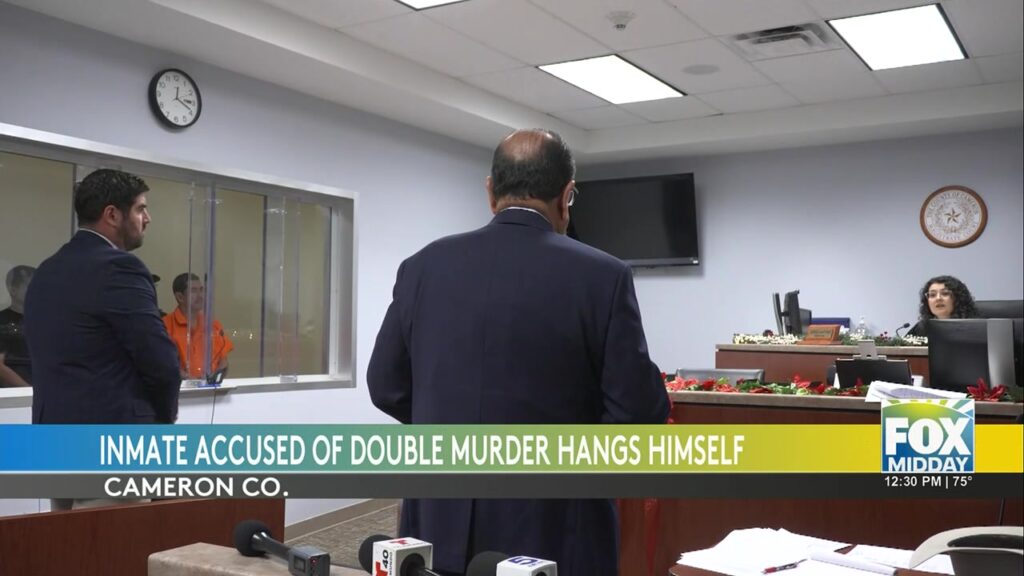
The community of Brownsville, Texas, is currently grappling with unsettling news surrounding the tragic death of an inmate at the Carrizales Detention Center. This distressing incident has not only disturbed the peace but has also sparked critical discussions concerning the safety and well-being of inmates across the board.
Hoel Urigas Isaguirre, a 48-year-old man from Amar Amoros, was found dead in his cell last Friday morning. The circumstances surrounding his death—initially ruled a suicide—have send shockwaves through both his community and custodial facilities across the nation. He was embroiled in a legal battle, charged with the double murder of his wife and her aunt in Brownsville, a case that had already attracted considerable local attention.
A Detailed Overview of the Incident
Hoel Urigas Isaguirre’s death came as a surprise to many. It all began on a seemingly normal Friday morning when the prison staff found him unresponsive in his cell. Despite attempts to revive him through CPR, the desperate measures came too late. According to the custodial death report released by the Attorney General's Office, Isaguirre had taken his life using braided materials from his mattress cover. This poignant act has around the issue of desperation faced by many inmates spotlighting the deficiencies within detention centers in handling psychological distress.
Adding another layer to the tragedy, Isaguirre reportedly left behind a letter. Though its contents have not been made public, the mere existence of this letter hints at the emotional turmoil and sense of desperation that overwhelmed him. The report of his death and the method he chose form an integral element of the ongoing investigation, which aims to unravel whether systemic issues within the facility contributed to his unfortunate decision.
The Aftermath and Broader Implications
The untimely death of Isaguirre has prompted a broader exploration into not only the conditions prevalent at the Carrizales Detention Center but also throughout the prison system. The investigation currently underway seeks to understand if sufficient mental health evaluations and resources were available and whether his suicide could have been prevented.
As authorities continue their examination, the incident raises crucial discussions about what reforms are needed to avert future losses within correctional facilities. Are there enough checks and balances to ensure inmate safety? Is there adequate mental health support for those facing severe charges? These questions stress the urgency of re-evaluating and reforming custodial protocols to prevent similar tragedies.
Community Reactions and Forward Steps
The response from community leaders and residents in Brownsville has been one of urgency and a call to action. There is rising pressure on detention centers to improve mental health evaluations and living conditions for inmates, reflecting a communal desire to prevent a recurrence of such distressing incidents.
Residents voice both sorrow and frustration, recognizing the warning signals that were potentially overlooked. Community dialogues have highlighted an urgent need for systemic reforms, not just in prison conditions but also in fostering an environment where the mental well-being of inmates is prioritized. The spirit of reform is palpable as stakeholders at multiple levels are urged to re-evaluate the current systems governing inmate safety and mental health support.
Additional Resources
For more information on prisoner rights and mental health initiatives, please visit the Federal Bureau of Prisons.