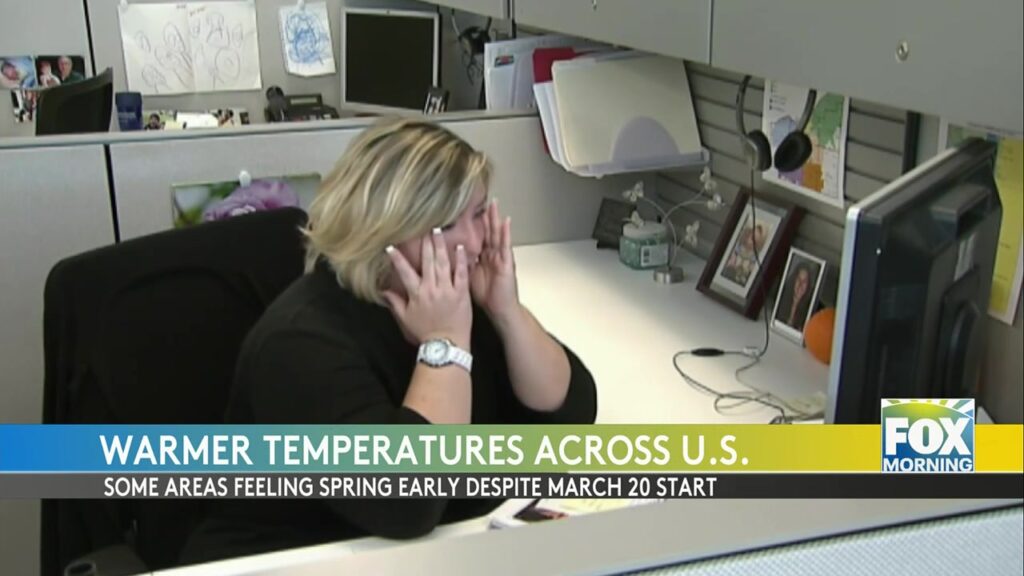
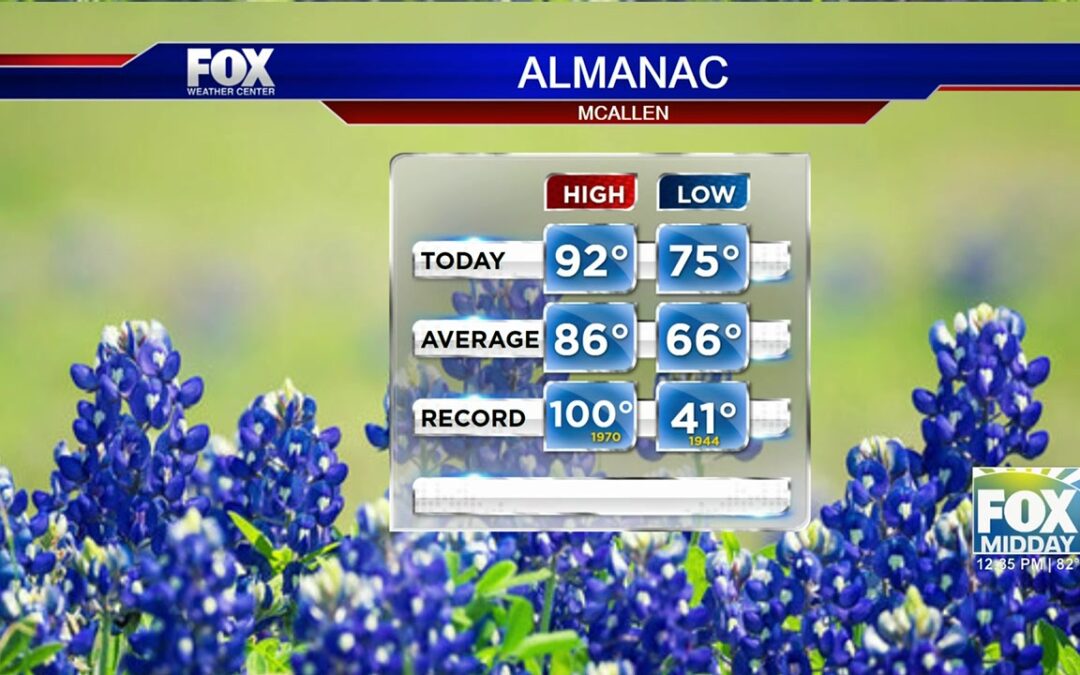
As temperatures rise prematurely across much of the United States, residents are bracing for an extended allergy season. The interplay of climate change and environmental factors is contributing to longer and more intense pollen exposure, experts warn. This trend is echoing loudly across regions such as South Texas, where towns like Brownsville, Harlingen, and McAllen are no strangers to the yearly battle against pollen.
Unseasonably warm temperatures have taken hold earlier than usual across many locales. Although March 20th marks the official start of spring, many areas are already experiencing weather that feels significantly warmer than typical winter conditions. For those prone to allergies, this means an extended "sneeze-fest" as pollens linger longer than usual in the air. Kimberly Meza, reporting for a local Fox morning show, highlighted how these conditions are unrolling in South Texas, setting the stage for a challenging allergy season.
Experts from the American College of Allergy, Asthma, and Immunology explain that symptoms arise when individuals are exposed to pollens to which they are allergic. The irregular weather patterns, largely attributed to climate change, cause these pollens to appear earlier and persist longer, exacerbating symptoms and creating a discomfort season for millions.
Impact of Rising Temperatures
According to the National Oceanic and Atmospheric Administration (NOAA), the U.S. experienced its second-warmest winter on record, exacerbating the pollen landscape for allergy sufferers. This warmth enables tree pollens, such as those from oak, ash, and birch, to peak earlier than they traditionally would. These prolonged exposure periods are causing discomfort and health issues for allergic individuals not just in South Texas but across the continental United States.
In South Texas cities like Edinburg and Hidalgo, local meteorologists and health officials are closely monitoring the situation. They're observing significant levels of pollen counts that exceed average seasonal expectations, something that is also mirrored across the East and Midwest.
Health Advice for Allergy Sufferers
Health professionals are advising those prone to allergies to take preventive measures sooner rather than later. From medications like antihistamines to lifestyle adjustments aimed at minimizing exposure, individuals are encouraged to get ahead of their symptoms this season. Using air purifiers, keeping windows closed, and avoiding exposure during peak pollen times can also help reduce symptoms.
Dr. Laura Jenkins, an allergist practicing in Corpus Christi, urges residents to be proactive. "We are seeing an influx of patients earlier this year, many struggling with symptoms they usually face much later in the season," she notes. "Proper management and early intervention can significantly improve quality of life during this unforeseen extended season."
Looking Ahead
While the promise of spring often brings joy and renewal, the current trends signify a troubling shift for allergy sufferers. With climate change continuing to impact seasons and their traditional patterns, communities are considering how to best adapt to this new normal. Scientists assert that reducing greenhouse gas emissions and advocating for sustainable climate actions can be part of the long-term solution.
Local governments and planners in Texas are also looking into ways to mitigate urban heat islands and improve air quality, two critical factors that can influence local climate and pollen distribution. Understanding these dynamics could help frame future public health strategies to combat seasonal allergens effectively.
Additional Resources
For broader insights into managing seasonal allergies and understanding climate impacts, visit the Environmental Protection Agency's guide on climate change and health: epa.gov/air-research.