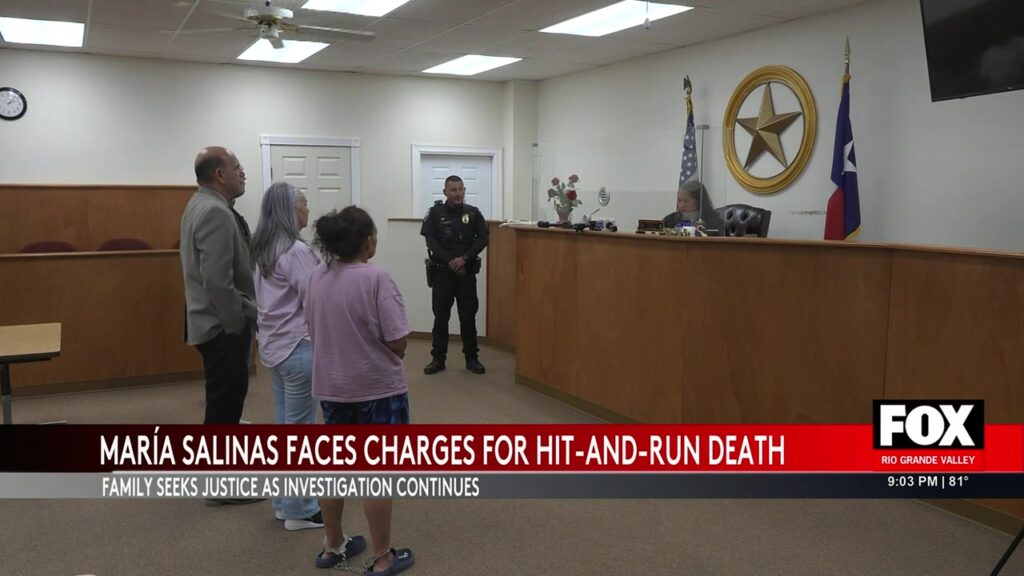
The city of Alamo, Texas, has been rocked by a tragic incident that unfolded on March 6, involving a fatal hit-and-run that resulted in the death of a 43-year-old veteran, Ismail Alamann. The incident has highlighted the devastating impacts such events can have on families and communities. In a recent court appearance, Maria Guadalupe Salinas, who stands accused of failing to report the serious crime, faced significant legal proceedings. Her involvement, along with that of her husband, in this heart-wrenching case underscores the ongoing struggle for justice by Alamann’s family.
The case, still under investigation by the Dalgok County Sheriff's Office, reflects wider issues around road safety and legal responsibilities in hit-and-run incidents. As the community seeks answers, the story sheds light on the broader societal impacts such occurrences have, not only on the families of victims but on the broader community’s sense of safety and justice.
Details of the Case
On that fateful day in March, Ismail Alamann lost his life in an unfortunate hit-and-run accident that shattered the lives of his loved ones. Maria Guadalupe Salinas and her husband were reportedly present during this tragic event. Subsequently, the couple was detained by authorities. Salinas was apprehended while attempting to cross a checkpoint after spending some time in Mexico, further complicating the investigation into why the incident was not reported sooner.
The authorities are diligently working to piece together the events of that evening to provide the victim’s family with the closure they desperately seek. The case has brought to the forefront the critical obligation individuals have to stop and provide assistance in the aftermath of road accidents, emphasizing the potential for human life to be salvaged even after seemingly dire circumstances.
Judicial Proceedings
In her court appearance, Salinas was charged with failing to report a serious crime, a charge that carries significant legal consequences. During the proceedings, officials took the opportunity to stress the grave responsibilities of drivers to stay at the scene of an accident and assist those who might be injured. The legal system regards such neglect with severity given the possible life-or-death outcomes that hinge on immediate action.
The legal proceedings are not only critical in determining the outcome for Salinas and her husband but serve a broader purpose of reiterating the system’s stance on hit-and-runs. The court's involvement underscores a commitment to uphold the law and ensure that justice is served, a crucial aspect for those affected by the tragic loss of Ismail Alamann.
Response from the Community
The response from the Alamo community has been one of solidarity with Alamann’s family and a call for greater accountability on public roads. Local officials, citizens, and law enforcement agencies are calling for increased awareness around the repercussions of failing to offer aid in such situations. This incident acts as yet another powerful reminder of the potentially fatal consequences negligence can have.
Community activists and the victim’s family have called for educational programs to remind drivers of their responsibilities and the moral imperative to help those in need following an accident. The case has also sparked conversations around legislative measures that could enforce stricter penalties for hit-and-run offenders, making it clear that such actions will not be tolerated.
Additional Resources
For more information regarding legal assistance or support for victims and their families, one can refer to the resources available at the Texas Attorney General's Office where guidance and assistance are on offer for navigating the legal complexities of such cases.