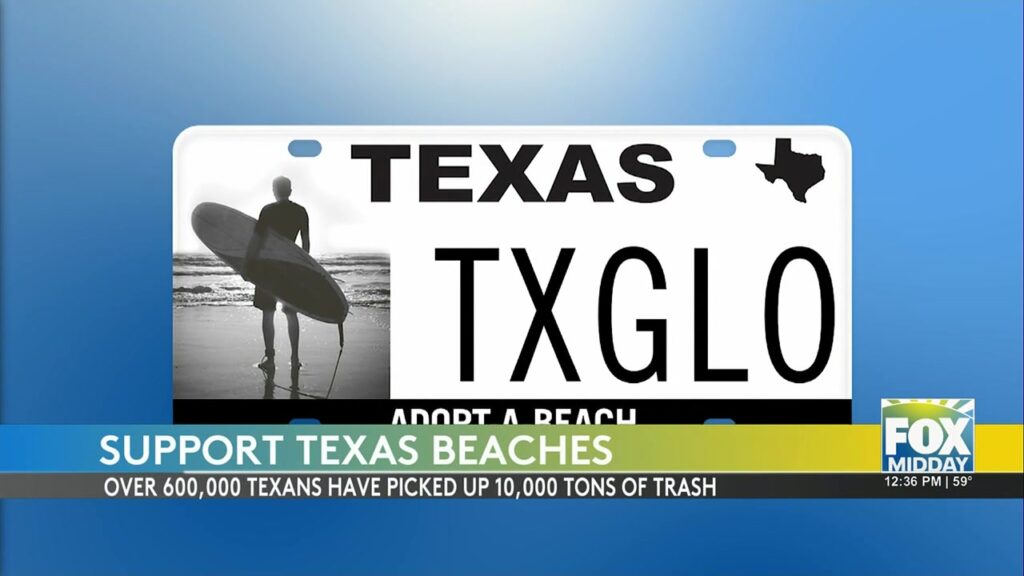
Protecting and preserving the natural beauty of Texas' expansive coastline is an environmental priority for the state's officials and residents. The Texas Land Commissioner, Don Buckingham, is spearheading an initiative aimed at encouraging public support and participation in the ‘Adopt a Beach’ program, a significant environmental conservation effort. This is achieved through the introduction of specialty license plates, which provide financial backing to the cleanup operations focused on maintaining the beauty and ecological health of Texas beaches.
The Texas coastline stretches for miles, offering picturesque views and vital ecosystems that are home to a diverse range of species. Unfortunately, these areas are often plagued by debris and pollution, necessitating concerted cleanup efforts. Since its inception in 1986, the ‘Adopt a Beach’ program has rallied over 600,000 volunteers, resulting in the removal of over 10,000 tons of trash from these natural havens. The program not only addresses the immediate issue of waste but also fosters a longer-term commitment to environmental stewardship among residents and visitors alike.
Support Texas Beach Preservation
In today's rapidly changing environmental landscape, community involvement in conservation efforts is more crucial than ever. The Texas General Land Office, supported by Land Commissioner Don Buckingham, is looking to galvanize public interest through the ‘Adopt a Beach’ program. This initiative is not just about cleaning the beaches but also about educating the local communities on the importance of protecting these natural treasures. A cleaner beach means a healthier ecosystem, which in turn supports tourism and local economies that depend on the region's natural resources.
Raising Funds Through Specialty Plates
A novel strategy to support this initiative is through the issuance of specialty license plates. For a cost of $30, Texans can contribute directly to this cause, with $22 from each plate sale going into funding the beach cleanup efforts. These funds are essential for logistics, supplies, and public awareness campaigns necessary for the success of the cleanup activities. The license plate serves as a visible symbol of participating Tennesseans’ commitment to preserving their coastline, and it also acts as a reminder to others about the importance of protecting these environments.
The funds raised are channeled efficiently to tackle marine debris, a growing global concern that impacts not only the aesthetics of beaches but also the health of local wildlife. By educating communities on sustainable practices and the detrimental effects of plastic pollution, the ‘Adopt a Beach’ program seeks to cultivate a culture of responsibility and care towards the environment.
Maintaining Environmental Legacy
Commissioner Don Buckingham’s personal connection with the Texas coastlines, having grown up near the beach, adds a passionate and urgent voice to the cause of environmental protection. Buckingham believes in the power of collective action and the role every individual plays in making a tangible difference. By motivating citizens to take personal accountability for their environment, the program ensures that the natural beauty and ecological balance of the coastlines are preserved for future generations.
Collaborative efforts in tackling beach pollution not only help maintain the scenic value of Texas beaches but also conserved the biodiversity they host. These ecosystems act as crucial biosystems for numerous species, and protecting them safeguards the intricate food chains and habitats within them. The ‘Adopt a Beach’ program serves as a powerful reminder of the impact that small, community-driven initiatives can have on major environmental challenges.
Additional Resources
For more information on how to support the ‘Adopt a Beach’ program and take part in local cleanup events, visit the Texas General Land Office's official site at glo.texas.gov/adopt-a-beach. This resource provides comprehensive details on volunteer opportunities, upcoming events, and educational materials to enhance the public's understanding of marine conservation efforts.