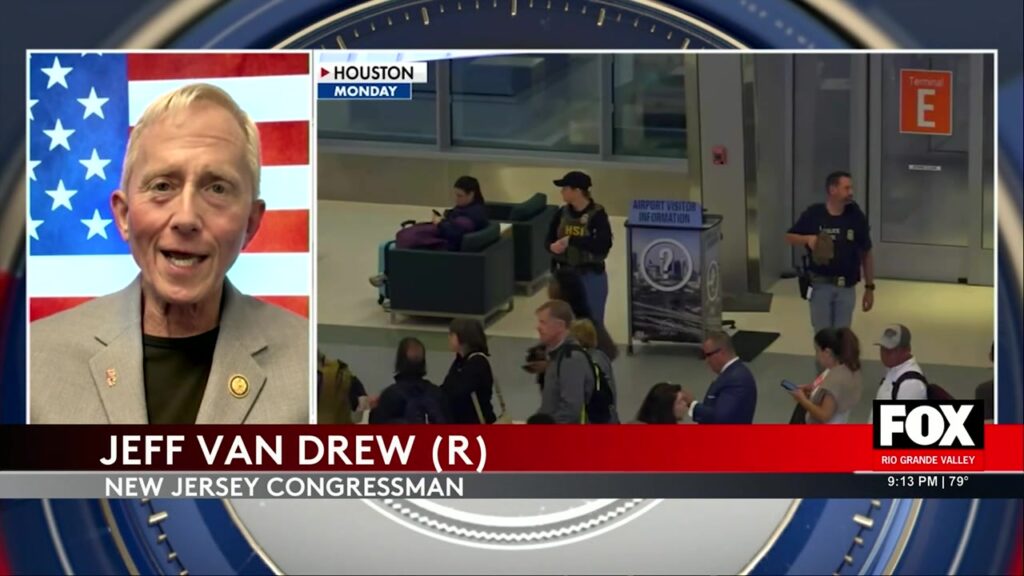
In a recent development promising temporary relief to thousands of Transportation Security Administration (TSA) workers, President Trump signed an executive order authorizing emergency funds for their salaries. This act has momentarily mitigated the escalating tensions and disruptions at some of the country's busiest airports, where TSA officers had previously been working without pay due to the government funding stalemate.
The funding crisis is a reflection of the larger issue surrounding the Department of Homeland Security (DHS), an agency that has been caught in the crossfire of political gridlock and legislative resistance. Although temporary funds have been procured to ensure TSA staff receive their paychecks, the overarching challenge of securing comprehensive DHS funding remains unresolved.
The TSA Funding Debacle
The TSA funding crisis unfolded at a time when the nation faced an ever-critical need for robust security at its airports. President Trump's decision to direct emergency funds to pay TSA workers came as debates regarding broader DHS funding heated up. This initiative, although relieving immediate stress on TSA officials and easing long queues at airport security checkpoints, has starkly highlighted the fundamental disagreements between lawmakers over DHS's budget.
The emergency appropriation underscored the urgent need to maintain operational stability at airports across the nation. While this injection of funds temporarily resolved the logistical challenges and financial anxiety faced by TSA agents, it also emphasized the unpredictable nature of government operations contingent on such political maneuvers.
Immediate Relief but Lingering Uncertainty
The resumption of salary payments to TSA personnel has provided palpable relief to both workers and travelers. The previously extended delays and disruptions caused by insufficiencies in staffing have gradually decreased as agents returned to regular service schedules, reinstating a sense of normalcy at airports. However, the relief is accompanied by an underlying uncertainty.
This temporary financial stopgap does not resolve the persistent ideological divisions that have left DHS funding in a precarious limbo. At the heart of the controversy are the contentious debates around immigration policies and border security that involve substantial budget allocations not simply for TSA, but for other agencies including Immigration and Customs Enforcement (ICE). Until a lasting solution is negotiated, the potential for future disruption remains a significant threat.
Political Standoff and Legislative Resistance
The efficacy of recent Senate deliberations has been marred by partisanship, as both sides of the political aisle struggle to reconcile divergent priorities. The Senate's recent failure to pass a comprehensive funding bill due to partisan disagreement exemplifies the broader legislative standoff. Disappointingly, the bill omitted critical funding aspects which led to dissatisfaction among lawmakers invested in various aspects of homeland security.
The crux of the deadlock is tied to President Trump's proposal to eliminate the filibustering requirement to expedite legislative approval processes. This suggestion has fueled controversy and met with substantial resistance, underscoring the complexities of navigating legislative priorities and garnering bipartisan support. The challenge now lies in constructing a mutually agreeable path forward that ensures sustained funding and operational efficacy of DHS.
Additional Resources
To explore more about government shutdowns and the implications of ongoing funding debates within the Department of Homeland Security, you may visit the U.S. Government Accountability Office's website: GAO.