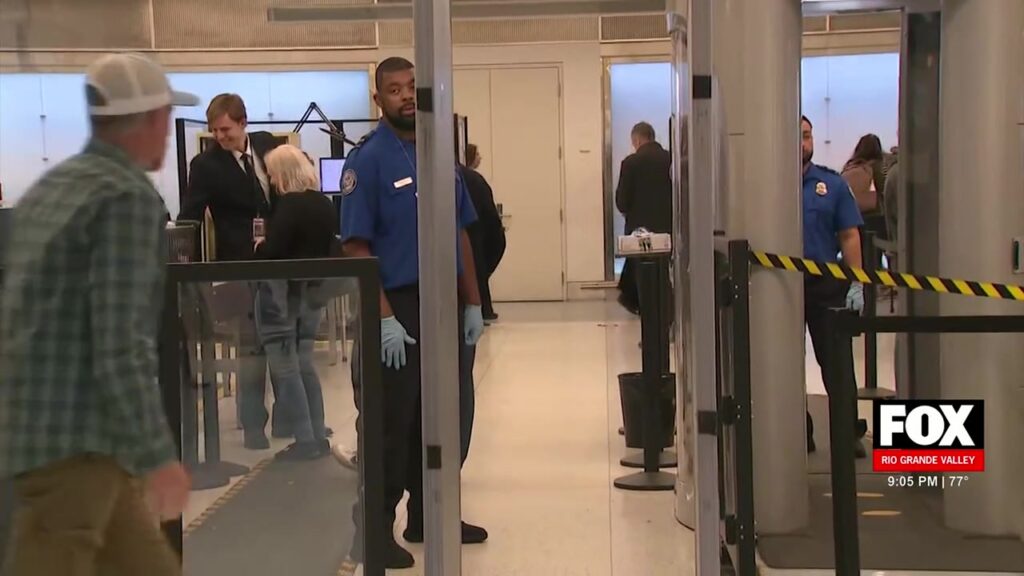
The ongoing partial government shutdown has posed significant challenges, particularly affecting federal employees reliant on regular paychecks to meet daily expenses. Among the affected are TSA (Transportation Security Administration) agents whose role in maintaining airport security becomes even more crucial during peak travel seasons such as spring. With passengers across the nation expressing frustrations over delayed flights and prolonged security queues, the issue has garnered nationwide attention.
President Donald Trump recently took a significant step to alleviate some of these financial constraints by signing an executive order ensuring that TSA agents would receive their overdue pay despite the shutdown. However, this measure may not promptly resolve or prevent the current operational challenges plaguing airports.
As spring travel intensifies, the strain on airport security operations is exacerbated by the ongoing financial constraints. At major aviation hubs like Hartsfield-Jackson Atlanta International Airport, passengers have faced extended waits, with some travelers arriving hours ahead of their scheduled flights to navigate the long security lines. The delays are part of a broader consequence arising from staff shortages, as TSA agents struggle with the daily essential costs due to a lack of pay.
Government Intervention Amidst Financial Strain
Faced with mounting unrest among federal employees and the general populace, President Trump’s executive action proposes a temporary financial relief for TSA agents. This decision comes as a necessary reprieve, as the TSA workforce has continued operations under strenuous conditions without financial compensation for over six weeks. The executive order outlined by the President aims to reinstate a degree of economic stability for these federal employees, reassuring job continuity and an executive resolve to circumvent further financial inertia amidst the Congressional budget impasse.
Impact on Airport Security
The effects of this order, however, are yet to materialize visibly at airports where the pressure of spring travel collides with logistical challenges. In Atlanta, passengers' anecdotes of enduring long queues and the observation of stationed foot-traffic extend an immersive lens into a larger systemic bottleneck. The scarcity of on-duty TSA units, compounded by the call-outs of financially distressed agents, projects a multifaceted plight emblematic of broader institutional challenges facing aviation security.
Despite the relief offered by the executive order, expert analysis suggests that the overarching question of fulfilling future staffing demands remains unresolved. Until a permanent budget agreement is reached, fears linger that inefficiencies in operations could persist, compromising traveler safety and scheduling integrity.
Awaiting Judicial Resolution and Staffing Future
With over 500 TSA agents reportedly resigning before the order was enacted, a clear anxiety permeates conversations about the future viability of adequate airport security staffing. Interim measures, such as drafting Immigration and Customs Enforcement agents to support TSA operations, have not eased skepticism among federal employees or industry stakeholders concerning comprehensive system resolutions.
While the interim logistical adjustments seek to accommodate some of the operational gaps, broader discussions persist regarding long-term strategies, perhaps involving budget appropriations beyond stopgap solutions. Ultimately, assurances of restored financial stability remain contingent upon Congressional reviews and potential legislative advancements addressing departmental appropriations needed to curb cycle redundancies in federal employment compensation.
Additional Resources
For more information on government employment and compensation, visit Department of Homeland Security.