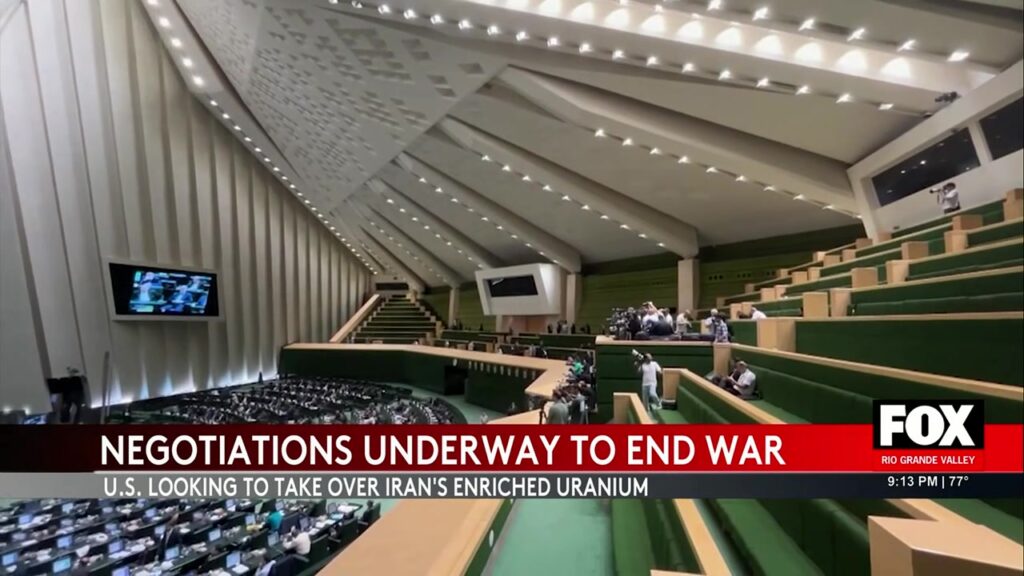
As tensions in the Middle East continue to escalate, the ongoing conflict between the United States and Iran remains a focal point of international concern. The recent exchange of missiles has heightened fears and drawn global attention to the region. Sirens echoed through Tel Aviv, illuminating the skies with Iranian cluster bombs. This stark reminder underlined the fragile state of peace.
Despite these rising tensions, President Trump has expressed optimism about the possibility of reaching a peace deal with Iran. However, there is a notable discrepancy as Iranian officials firmly deny any ongoing diplomatic talks, asserting their readiness to continue military actions until they achieve victory. The complexity of this situation highlights the broader implications for regional stability and international peace.
International Tensions Escalate in the Middle East
The escalation between the U.S. and Iran has captured the attention of the global community. In recent weeks, missile exchanges have become an alarming norm, causing humanitarian concerns across affected areas. The Israeli city of Tel Aviv witnessed a vivid demonstration of this conflict when Iranian missiles breached the Iron Dome air defense system, thankfully resulting in no casualties. This event underscores the volatile situation and the potential for further hostilities.
The international community is closely monitoring the situation, with widespread apprehension over possible regional repercussions. Countries such as Saudi Arabia and the United Arab Emirates (UAE) are reportedly considering their strategic options, potentially involving military interventions. This precarious scenario has further complicated efforts toward diplomatic resolutions.
Diplomatic Attempts and Contradictory Statements
On the diplomatic front, President Trump continues to signal hope for a resolution through dialogue. He remains optimistic about the prospects of a peace deal, suggesting a potential agreement might involve stringent conditions on uranium enrichment and transit through the strategic Strait of Hormuz. This area is of particular importance due to its role in global oil transportation.
However, Iranian officials have publicly refuted claims of ongoing negotiations. They maintain that discussions, if any, are not aimed at halting their military endeavors. This stark contradiction between the U.S. administration’s optimism and Iran’s assertive stance has added layers of complexity to an already turbulent relationship.
The involvement of intermediaries in facilitating dialogue between the two nations adds another dimension to the diplomatic landscape. While President Trump claims that these backchannel discussions are underway, their effectiveness and the true extent of progress remain unclear.
Uncertain Geopolitical Future
As tensions simmer, the potential outcomes of these negotiations hold significant geopolitical implications. If diplomatic efforts succeed, it could redefine U.S.-Iranian relations and potentially lead to increased cooperation in areas such as nuclear disarmament and regional security. However, the road to achieving such breakthroughs is fraught with challenges, given the current geopolitical landscape.
The strategic Strait of Hormuz remains a critical factor in these negotiations. Control and access to this narrow but vital waterway have been central concerns for both nations. The successful management of these concerns could herald a period of stability, yet any missteps might escalate into a broader conflict, affecting not just the Middle East but global economic stability as well.
The coming weeks are crucial as the international community watches closely. Implementation of diplomatic strategies and the potential involvement of regional allies will be key indicators of the direction this conflict will take. The hope of peace rests on balancing diplomatic leverage with regional alliances and military readiness.
Additional Resources
For official statements and geopolitical insights, visit the U.S. Department of State's website at state.gov.