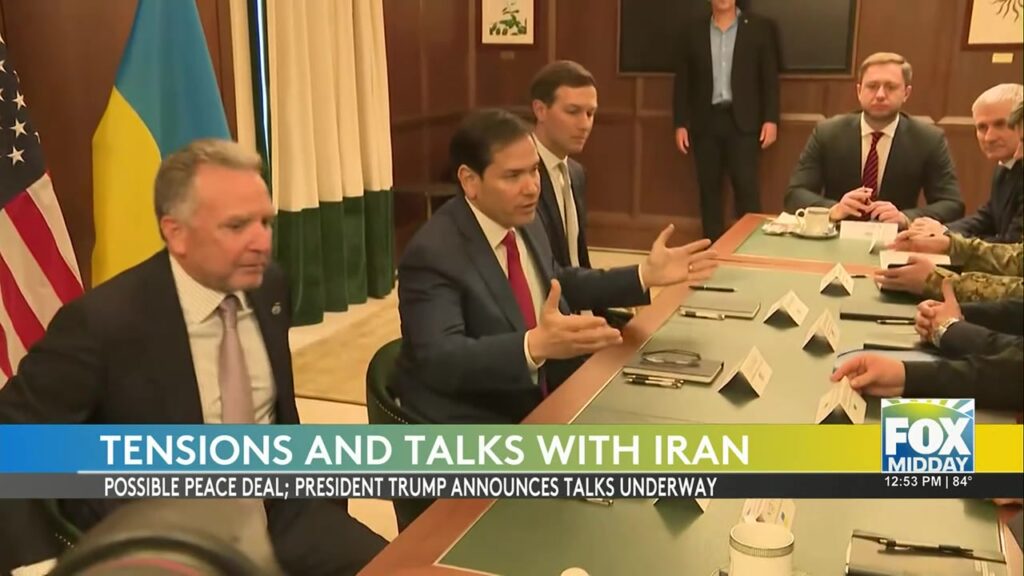
In a world where diplomacy is a high-stakes game, the United States and Iran find themselves on a precarious path as they explore the potential for peace amidst escalating tensions. President Donald Trump, ever the dealmaker, recently offered a glimmer of hope by announcing ongoing discussions aimed at brokering a peace agreement with Iran. This revelation comes at a critical juncture, as the Strait of Hormuz, a vital chokepoint for global oil supply, remains a focal point of international attention.
The Strait of Hormuz is a narrow waterway that serves as a strategic passage for one-third of the world's liquefied natural gas and nearly 25% of total global crude oil exports. Any disruption in this region can sharply impact global oil prices and strain international relations. The Trump administration's efforts to engage Iran in peace talks aim to stabilize this volatile situation, offering relief to global markets and enhancing regional security.
Diplomatic Push for Peace
With aspirations to resolve enduring conflicts, President Trump's announcement signified a pivotal moment in U.S.-Iran relations. Despite historical adversities, his willingness to engage in negotiations underscores a proactive stance aimed at diffusing tensions in the Strait of Hormuz. Historically, this region has been a flashpoint for geopolitical conflicts, influencing oil prices and sparking military confrontations.
Trump's diplomatic overtures have cultivated a climate of cautious optimism. However, mistrust lingers, particularly as Iranian officials publicly downplay the possibility of direct negotiations with the U.S. These conflicting narratives suggest a complex diplomatic landscape where both sides have much to gain or lose, depending upon the outcomes of these high-level discussions.
Market Implications and Political Standoffs
The mere suggestion of negotiations between the U.S. and Iran sparked a wave of market optimism. Investors around the globe responded positively to the potential of a peace deal, as stability in the Strait of Hormuz could normalize oil flows and ameliorate market volatility. The anticipation of diplomatic progress has contributed to a bullish outlook, at least temporarily alleviating the fears of further conflict-induced economic disruptions.
However, the political landscape remains riddled with uncertainties. Iranian leadership, while appearing interested in diplomatic dialogues, sharply contradicts public claims of negotiation with the United States. Such contradictory statements contribute to global skepticism, questioning the viability of a near-term resolution to these geopolitical tensions.
Broader Security Concerns
As diplomatic narratives unfold, nations around the world keenly observe both countries' attempts to navigate this intricate and tension-laden path. The outcomes of these talks could directly shape the future of U.S.-Iran relations, bearing significant repercussions for regional stability and broader international security concerns.
The potential for a comprehensive peace agreement holds strategic importance, promising to defuse regional tensions, safeguard oil supply routes, and reaffirm commitments to diplomatic engagement over military confrontation. However, achieving such an outcome requires nuanced negotiation strategies sensitive to the historical complexities and ever-shifting political dynamics of the region.
Additional Resources
For a deeper understanding of Middle Eastern geopolitics and the implications of U.S.-Iran relations, please visit the Council on Foreign Relations for analysis and insights.