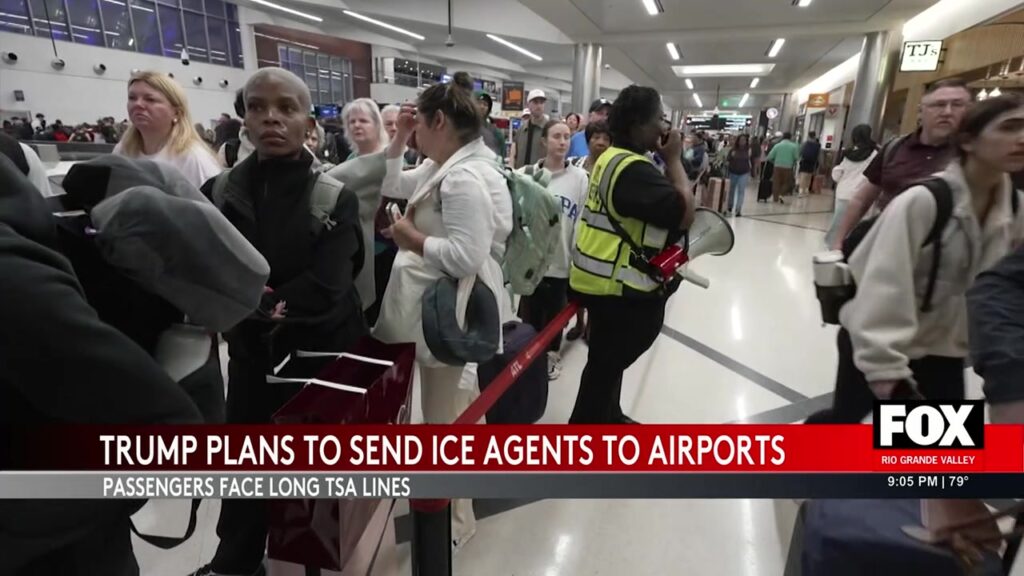
The nation's airports are currently experiencing unprecedented delays and bottlenecks amid a partial government shutdown that is particularly affecting Transportation Security Administration (TSA) workers. The enhanced security checks, now marred by dwindling staff attendance and pay issues, have left travelers anticipating extended waits and disruptions. This has sparked significant conversation surrounding federal employment practices and resource management during politically charged times.
The situation has prompted concerns and frustrations among the traveling public, many of whom are facing much longer wait times than usual. For some passengers, this has highlighted the critical importance of efficient government operations and the dire consequences of interruptions in essential services.
The Impact of the Shutdown
The Trump administration, over the recent weekend, announced plans to redeploy Immigration and Customs Enforcement (ICE) agents to bolster airport security efforts. This move is aimed at addressing acute staffing shortages within TSA operations across the country. The shutdown has stopped paychecks for numerous TSA employees, resulting in an increase in sick calls as workers struggle to balance their professional obligations with personal economic realities. Reports indicate that over 400 TSA agents have already resigned due to the untenable situation.
This involvement of ICE agents offers a temporary solution but raises questions about the effectiveness of such measures in the long term. Security experts and lawmakers are concerned about the potential implications for both airport security and national immigration policy. While ICE agents are trained in enforcement, they do not possess the specialized training required for TSA duties, potentially leading to gaps in security procedures.
The redeployment underscores broader questions about prioritization of resources and the effects of government dysfunction on public safety and security. As the shutdown persists, the concerns extend beyond security queues and into fundamental debates about the role of various federal agencies.
Traveler Experiences and Political Implications
Travelers across the nation have voiced their dismay over substantial wait times at major airports, with incidents such as those at Hartsfield-Jackson Atlanta International Airport serving as stark examples. Passengers have described scenes of frustration and confusion, with some individuals missing flights and enduring prolonged waits. In Atlanta alone, only four of the 18 TSA screening lanes were operational on the morning of that chaotic Sunday.
These disruptions have inevitably seeped into the political sphere, where lawmakers, particularly from the Democratic party, are calling for increased oversight and immediate legislative action to resolve the gridlocks. They urge that without swift intervention, the TSA's ability to function effectively will remain compromised, prompting continuous examination into the allocation and prioritization of federal resources during such critical periods.
As TSA operations are affected, there has been a rallying call for bipartisan cooperation to reach a cohesive plan to avert further disruption. With Congress at an impasse, the pressure mounts to establish a balanced funding strategy that supports both border security and the smooth functioning of critical infrastructure nationwide.
Additional Resources
For further information on how government policies affect transport and security services, the U.S. Department of Homeland Security offers updates and official statements regarding federal employment protocols during shutdown periods. Travelers seeking guidance on navigating airport security during these times may also find relevant resources and advisories on this platform.