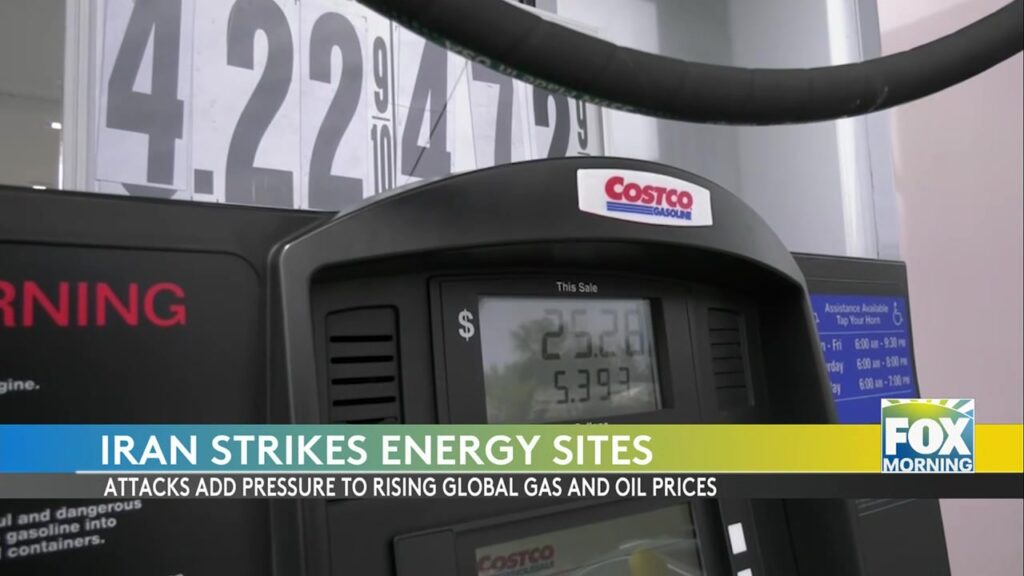
Tensions between Iran and Israel have escalated significantly, drawing global attention to the volatile and multifaceted conflict in the Middle East. This ongoing friction has not only heightened military confrontations but is also having ripple effects on international economic stability, particularly concerning global oil supplies. As military strikes continue, the geopolitical landscape becomes increasingly fraught with uncertainty, prompting reactions from governments and markets worldwide.
The Middle East has long been a hotbed of geopolitical tension, but recent developments have intensified the situation to a critical stage. The conflict between Iran and Israel has seen a series of military exchanges, pushing the region closer to conflict and sparking international concern over the possible consequences this could have on global stability.
Rising Conflict in the Middle East
The latest flare-up is part of a long-standing conflict rooted in territorial, political, and ideological disputes. Recent military actions by both nations have led to a new wave of uncertainty in the region. Iran's continued strikes on energy infrastructure in the Middle East are not only a strategic response but also a demonstration of its capability to influence global oil markets. Meanwhile, Israel's retaliatory actions against Iranian targets underline the deep-seated animosity and the perpetual risk of escalation in the region.
The Iranian attacks have targeted critical energy facilities, causing worldwide concern over potential disruptions in oil supplies. The global economy, still recovering from previous turmoil, is once again facing potential instability due to these developments. Energy prices have been affected as nations scramble to assess and mitigate the impacts of disruptions in oil distribution, which is crucial for sustaining global economic activity.
The Oil Crisis
The Strait of Hormuz, one of the world's most critical maritime chokepoints, has become a focal point of international efforts to stabilize the flow of oil. The strait is vital as it channels a significant portion of the world's oil supply. Any threats to its security send tremors through global markets and economic systems.
Efforts to keep the strait open have garnered international cooperation, with major powers stepping up diplomatic and possibly military measures to ensure that this crucial artery remains unobstructed. At this juncture, the United States and its allies are coordinating to maintain the security of this vital shipping lane.
Recent meetings between oil executives and U.S. administration officials underscore the gravity of the situation. There is a heightened focus on ensuring that energy supplies remain stable. At this time, the opening of strategic dialogues and cooperative security arrangements appears to be the immediate response to the crisis.
Political and Military Reactions
The geopolitical complexities surrounding the Iran-Israel tensions are being navigated with careful consideration by international players. Within the United States, there is an active political discourse regarding the potential for intervention and the financial implications of supporting military efforts in the region. The Pentagon is reportedly seeking funding to bolster its strategic response, indicating that the U.S. is prepared to play a significant role in this escalating scenario.
President Trump's stance, eschewing direct ground involvement, reflects a preference for leveraging diplomatic channels and aligning with international allies. This strategic restraint aims to balance the need for security with the risks posed by further escalation. The challenge remains in finding effective means to de-escalate the situation while safeguarding economic and geopolitical interests.
Internationally, reactions vary, with some nations advocating for diplomatic solutions, while others consider more direct actions necessary. This divide complicates efforts to forge a unified global strategy to address the crisis comprehensively and effectively.
Additional Resources
To further explore the dynamics and implications of Middle Eastern conflicts, visit the Center for Strategic and International Studies at csis.org, a resource offering in-depth analysis and insights on the region's ongoing issues.