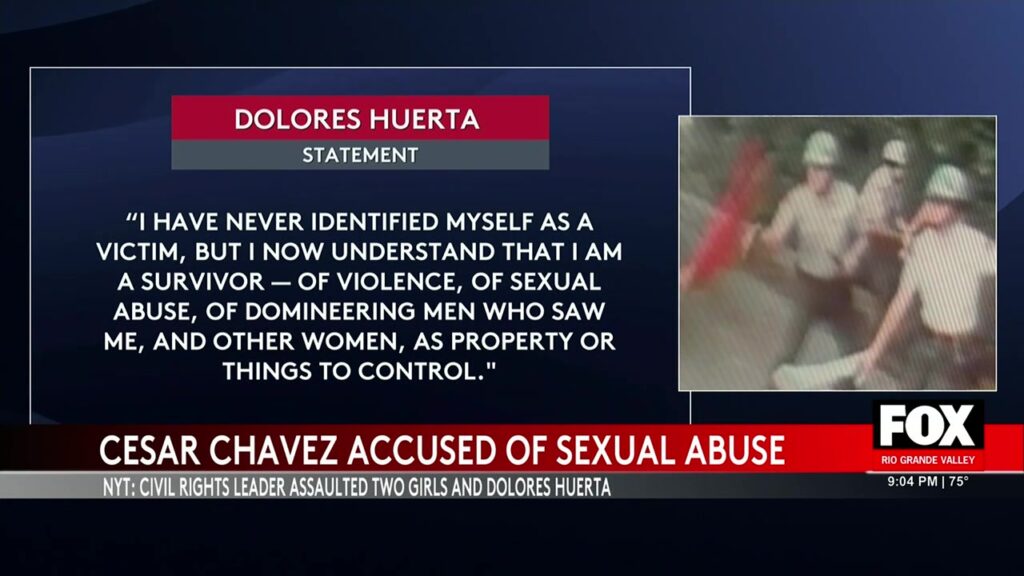
A major historical reassessment is underway following explosive allegations against Cesar Chavez by fellow activist Dolores Huerta. An investigative report by the New York Times has surfaced claims that Chavez sexually abused multiple women, including Huerta, during the 1960s and 1970s. These allegations introduce a complex narrative around Chavez, a figure lauded for his leadership in the agricultural workers' rights movement.
Huerta, who co-founded the United Farm Workers' Community with Chavez, stated that she endured two non-consensual sexual encounters resulting in pregnancies, one where she felt coerced. Since these revelations, there has been a cascade of repercussions including the cancellation of Cesar Chavez Day events across several cities and initiatives led by politicians like State Representative Ramón Romero, Jr. to rename the holiday in her honor.
Allegations Resonate Nationwide
These revelations have sent shockwaves through communities, coupled with mixed emotions from supporters of the historic civil rights movement. Across the nation, individuals and organizations have grappled with the implications of these allegations, as Chavez's work had long stood as a symbol of empowerment for marginalized agricultural workers.
The United Farm Workers' movement played a critical role in the fight for fair labor practices, advocating for improved wages, working conditions, and rights of farm workers primarily in California's vast agricultural fields. Chavez and Huerta used nonviolent tactics, such as boycotts, marches, and strikes, to bring attention to the workers' plight and to force change. The movement's success brought significant attention to labor rights and influenced policies nationwide.
Campaigns for Recognition and Justice
The proposed renaming of Cesar Chavez Day to recognize Dolores Huerta signifies a major shift in how her contributions are perceived and honored. Efforts to elevate Huerta's role reflect broader societal movements towards re-evaluating gender dynamics and ensuring women's voices are equally celebrated in historical narratives.
Advocates argue that the name change is both a tribute to Huerta's substantial contributions to the labor movement and a statement against the misuse of power that has often marginalized women's experiences. This discussion aligns with a larger discourse on women's rights and the importance of accountability in leadership roles. As society reevaluates its historical figures, there is a growing call for more equitable recognition of all contributions, regardless of gender.
Shifting Narratives in Historical Figures
As more voices from the era come forward, the broader movement faces the task of reconciling past pain with the progress achieved under its most prominent figures. This emerging discourse invites a reevaluation of how historical legacies are crafted and the figures who are idolized within them.
The movement prompted by these revelations is part of a broader cultural reckoning, not just within the context of the labor rights movement, but within historical representation in general. It opens up necessary dialogues about the complexities of human character and the impact of unchecked power structures, laying the groundwork for more inclusive reflections of history.
In this current reevaluation, major figures like Huerta are not only being recognized for their pioneering work but also as key voices advocating for justice and integrity within movements that are often marred by silence and complicity. This ongoing recalibration encourages society to take a more comprehensive look at the past and to ensure present and future narratives are built on fairness and equality.
Additional Resources
To learn more about the labor rights movement and historical accounts, visit the Library of Congress.