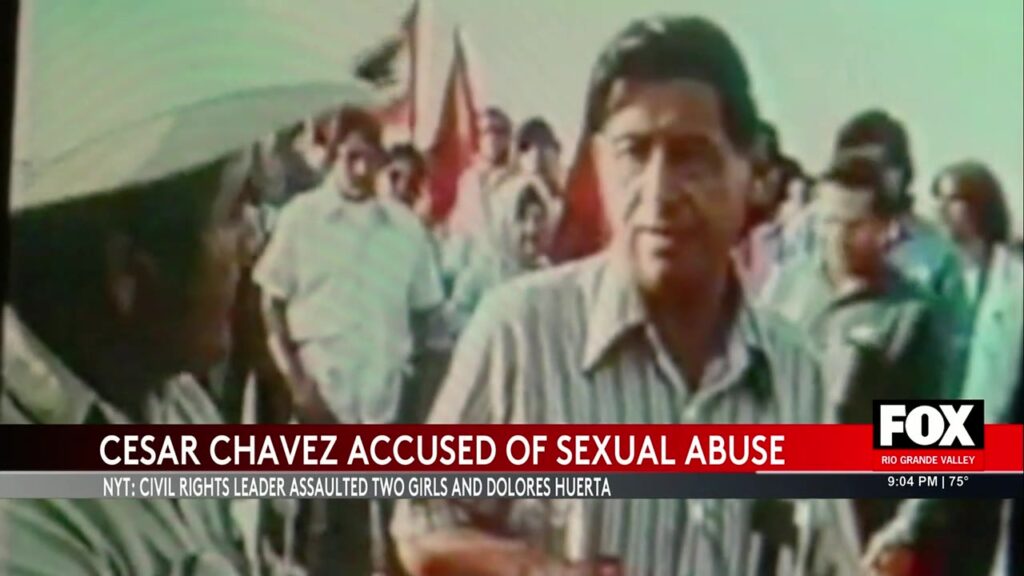
The legacy of Cesar Chavez, a revered labor and civil rights leader is undergoing an unprecedented reevaluation following grave allegations of sexual abuse that date back to the 1960s and 1970s. These allegations, outlined in an investigative report by The New York Times, have cast a shadow on a figure synonymous with workers’ rights and social justice. Chavez is accused of having committed numerous abuses against women and girls, including his co-founding partner Dolores Huerta, which has deeply shaken the labor movement he helped to energize.
Amid the disquieting revelations, the National Enquirer reported that Chavez, celebrated for his dedication to farm workers' rights, may have also engaged in behavior that exploited his power and influence over vulnerable individuals. This report contends with his once unblemished reputation and raises significant questions about the dichotomy between public persona and private actions.
Allegations Surface
Dolores Huerta, a prominent activist herself, has publicly recounted her experiences with Chavez, explaining two unfortunate encounters, one of which she characterized as coerced and another as non-consensual, both leading to pregnancies. Initially choosing to remain private about these experiences, Huerta has decided to address them publicly to reclaim her narrative and to amplify the voices of those affected by similar abuses of power.
In her statement, Huerta emphasizes her role as a survivor rather than just a victim, using the adverse experiences to fuel her ongoing advocacy for women's rights. The accounts detailed by The Times were corroborated by interviews with more than 60 individuals and supported by substantial documentary evidence, including union records, emails, and other relevant documents.
Community Reaction
The disclosure of these allegations has spurred a widespread reaction, provoking cancellation of various Cesar Chavez Day celebrations across several major cities including Houston, San Antonio, and Austin. The events, previously held to commemorate Chavez's contributions to the labor movement, have been called into question as communities wrestle with the new information.
This significant shift in public perception demands a recalibration of how Chavez's legacy is remembered, particularly within the labor movement. For many, the day's commemorations were more than ceremonial; they were a tribute to an enduring struggle for fairness and equality at the workplace. The shockwaves from these allegations challenge this commemoration and compel a more profound contemplation on the complexities of historical figures.
Renaming and Reevaluation
In the wake of these revelations, State Representative Ramón Romero Jr. has proposed renaming the holiday in honor of Dolores Huerta, therefore preserving the spirit of struggle for empowerment and justice that it symbolizes while also making a clear statement against abuse and the misuse of power. This proposal suggests that while figures like Chavez have undeniably contributed to pivotal social advances, recognition and celebration should be dynamically aligned with contemporary ethical standards.
Texas Governor Greg Abbott echoed these sentiments, noting the state's decision to refrain from observing Cesar Chavez Day, citing the gravity of the allegations as his reasoning. Governor Abbott has also pledged to push for legislative changes aimed at addressing and improving how such issues are managed within Texas, potentially marking the beginning of reforms inspired by this scandal.
These communal and legislative responses underline an essential and ongoing dialogue about accountability and integrity in historical commemorations.
Additional Resources
For a detailed account and further updates on this developing narrative, visit the New York Times for ongoing coverage. Additionally, the National Archives provides a comprehensive selection of resources on Cesar Chavez's contributions to American society, offering historical context that complements the current discussion.