A resident from Roma, Texas, Julieta Betas, is facing significant legal challenges following her arrest on charges related to drug trafficking. This case highlights the ongoing efforts to crack down on drug-related activities, which have been a growing concern across the southeastern United States. The arrest of Betas is emblematic of the broader struggle against drug cartels and trafficking networks that stretch across international borders.
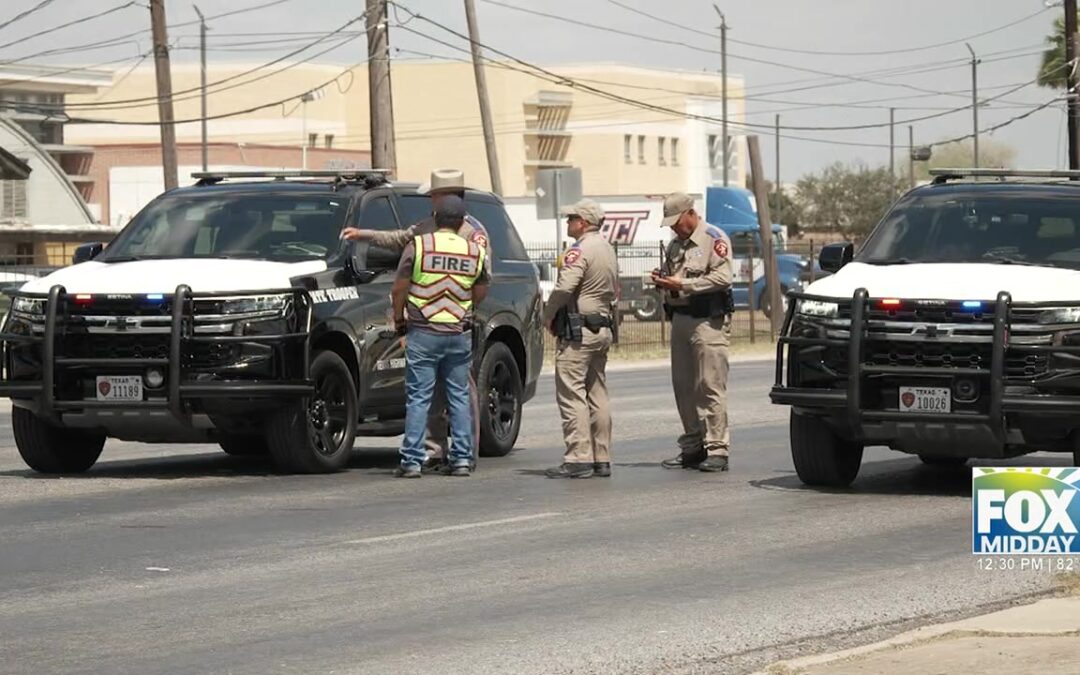
Julieta Betas is accused of playing a role in a large-scale drug distribution operation. Her arrest comes amid efforts to dismantle networks that threaten the safety and well-being of communities in the United States. The charges against her stem from an incident that occurred on March 12, when she was apprehended by the Texas Department of Public Safety (DPS) on Interstate 35 near Waco.
Details of the Arrest
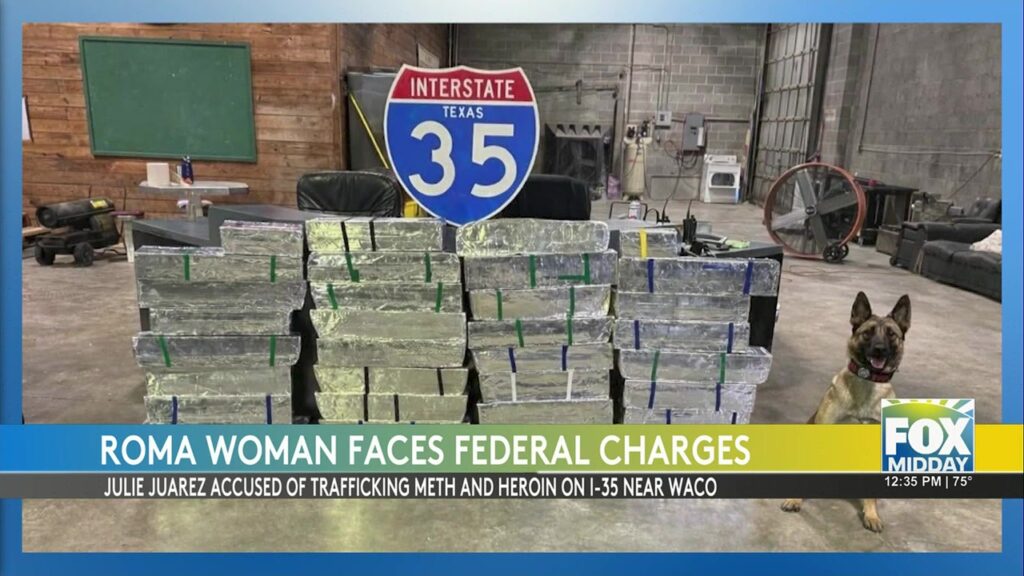
The arrest of Julieta Betas was set into motion when she was stopped for speeding on Interstate 35. During the routine traffic stop, a K-9 unit was deployed, which proved to be crucial in uncovering the illegal substances hidden in her vehicle. The K-9 unit signaled the presence of narcotics, leading to the discovery of approximately 480 pounds of methamphetamine and 40 pounds of heroin inside her minivan. This significant seizure underscores the gravity of the trafficking operation.
Authorities allege that Betas collected these drugs in Mexico and was en route to Dallas for distribution. The charges she faces include possession with intent to deliver at least 500 grams of methamphetamine. These charges reflect the magnitude of the operation and highlight the transnational aspect of drug trafficking.
Legal and Societal Implications
The indictment of Betas raises important questions about the efficacy of law enforcement efforts at both local and international levels. Texas DPS, along with other agencies, is working diligently to combat the proliferation of narcotics. These efforts represent a broader initiative within the state to dismantle the networks responsible for the distribution and sale of illegal drugs.
This case also underscores the challenges in addressing drug trafficking, which often involves complex international networks that operate with impunity. The arrest and indictment of someone like Betas serve as a reminder of the ongoing struggle to curb the illicit drug trade and the importance of collaborative efforts in law enforcement.
Wider Contexts and Impact
As drug cartels continue to operate across borders, cases such as that of Julieta Betas highlight the necessity of coordinated efforts in monitoring and preventing drug trafficking. Collaboration between law enforcement agencies is critical in undermining the operations of these cartels. This case serves as a catalyst for broader discussions around community safety, law enforcement strategies, and international drug policy initiatives.
The vigilance of authorities, coupled with advanced detection capabilities, plays a pivotal role in preventing the transportation of narcotics. These efforts disrupt the methods employed by traffickers, making it increasingly difficult for them to operate successfully. Insights from cases like Betas’ can inform policy decisions and foster dialogues aimed at enhancing community safety and security.
Additional Resources
For more information on drug enforcement and legal frameworks, visit the United States Drug Enforcement Administration.