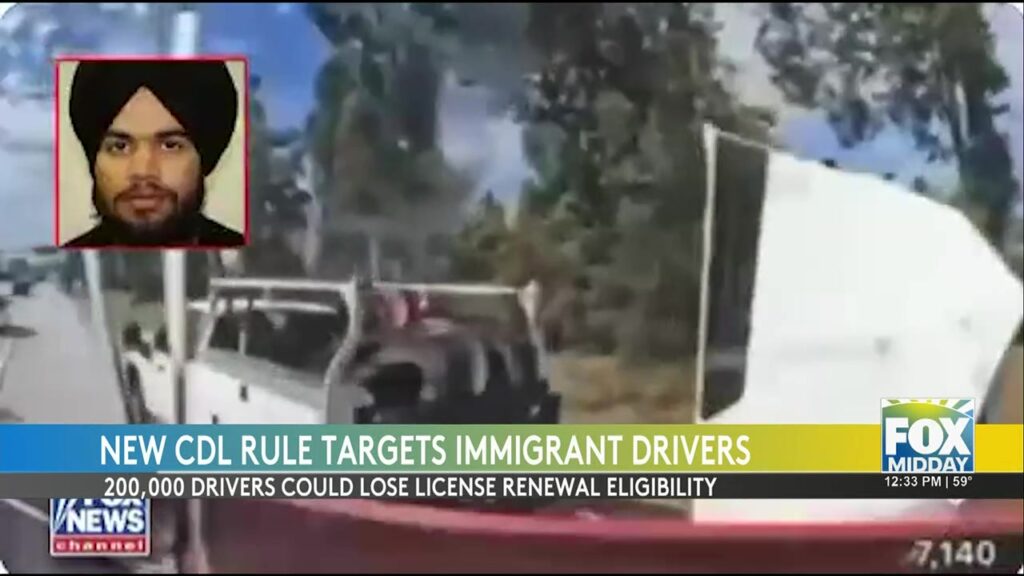
In recent years, policy changes at the federal level have led to significant shifts in various sectors, with one particularly contentious regulation impacting the field of transportation. A new rule implemented by the U.S. Department of Transportation under the Trump administration has changed the landscape for immigrant drivers nationwide. This policy has particularly targeted immigrants who rely on commercial driving as a source of income, including asylum seekers, refugees, and DACA (Deferred Action for Childhood Arrivals) recipients.
These individuals, who constitute a significant portion of the commercial driving workforce in the United States, are now facing the prospect of losing their commercial driver's licenses (CDLs) as their licenses come up for renewal. The new eligibility criteria set forth by the Department of Transportation restrict these renewals, leaving approximately 200,000 immigrant drivers concerned about their professional futures.
Controversial Policy Change Shakes Road Transportation
The introduction of this policy has sent shockwaves across the nation's transportation sector, an industry already grappling with driver shortages and logistic challenges. For many immigrant drivers, the ability to hold a CDL is not just a matter of employment but sustenance and stability for themselves and their families. As economic pressures mount, so do the legal and social ramifications of these policy changes.
The move is defended by proponents who argue that the new criteria bolster safety on the roads by ensuring drivers can proficiently communicate in English and adhere to road signs and regulations. They cite incidents involving drivers who failed to pass English and road sign exams, contributing to severe accidents. One such unfortunate incident involved Jashanpreet Singh, a driver involved in a deadly crash in California, raising critical questions about road safety and driver preparedness.
Arguments For and Against the New Rule
Supporters of the new CDL requirements believe that stringent standards are crucial for reducing the frequency and severity of road accidents. They cite cases such as that of Jashanpreet Singh, which illustrate the potential dangers when drivers do not meet proficiency standards. Another incident highlighted by proponents involves Abekson Bekchev, a driver from Kyrgyzstan, who was involved in a fatal semi-truck crash in Indiana, sparking debates about competency and safety.
However, the policy has drawn significant backlash from multiple fronts. Critics warn that the rule could lead to exacerbating an already critical driver shortage, potentially disrupting supply chains and increasing various consumer goods' costs. Additionally, they argue that the policy unfairly targets immigrant communities, bringing forth discussions about potential discrimination and civil rights violations. Legal experts and advocacy groups are actively challenging the rule, underscoring its broader socio-economic impacts.
Nationwide Repercussions and Ongoing Legal Challenges
The implications of this regulatory change are profound, extending beyond individual drivers to affect the trucking companies and broader logistic operations. With the restriction on license renewals, businesses face the risk of staffing shortages, potentially bottlenecking operations and delaying the delivery of goods across state lines and national borders.
As these challenges become more pronounced, legal actions are already in motion to contest the policy on the grounds of potential overreach and discriminatory practice. The legal landscape is rapidly evolving as immigrant rights organizations mobilize to advocate for the affected drivers, aiming to highlight the unintended consequences of such stringent regulations.
The ripple effects are a significant concern for stakeholders who fear heightened economic strain and operational hindrances in an industry that is crucial to the nation’s infrastructure. Consequentially, legal battles may serve as a catalyst for policy reevaluation and potentially propel discussions on balanced immigration and labor policies.
Additional Resources
For more detailed information on transportation policies and regulations, please visit the Federal Motor Carrier Safety Administration at fmcsa.dot.gov.