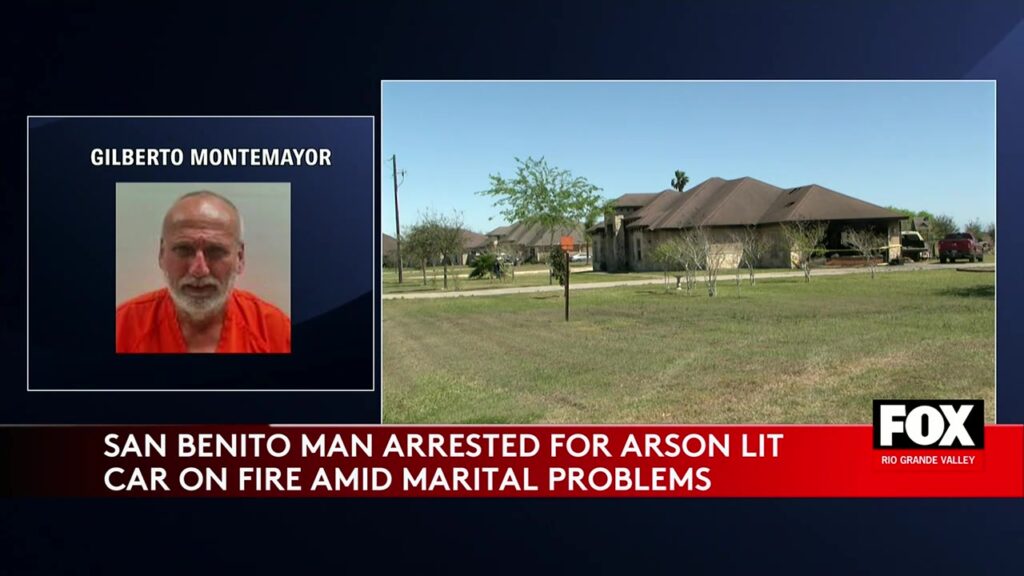
In the community of San Benito, the recent arrest of a local man has brought attention to serious issues involving mental health and familial discord. The incident, which drew a swift response from the Cameron County Sheriff’s Office, underscores the complexities of addressing volatile domestic situations. Gilberto Monte Mayor, a 69-year-old resident of San Benito, was apprehended following an act of arson that could have had much graver consequences. The case has sparked discussions about the intersection of mental health, domestic life, and crime.
On the day of the incident, Monte Mayor allegedly set his vehicle on fire, which subsequently spread to the garage of his home. This destructive decision came after an apparent domestic disagreement. Monte Mayor told deputies that he was experiencing relationship troubles with his wife, who had not responded to his phone calls. According to law enforcement reports, in a moment of distress, he doused his vehicle in gasoline and ignited it with matches. Fortunately, the resulting fire was contained before it could cause greater damage.
Monte Mayor’s wife confirmed that the two were indeed undergoing personal difficulties, prompting her to stay with a relative during this tumultuous period. In addition to arson, Monte Mayor was charged with making terroristic threats, emphasizing the severity with which authorities view such actions, particularly those that endanger the safety of others.
The Role of Mental Health in Crime
The case of Gilberto Monte Mayor highlights an essential topic in criminal justice: the role of mental health in unlawful behavior. Instances like these bring to light how emotional distress or untreated mental health issues can escalate, leading individuals to make irrational and harmful decisions. Mental health support and resources are often critical in preventing such situations, advocating for a compassionate and informed response from law enforcement and community services alike.
The legal system, while holding individuals accountable for their actions, also plays a role in ensuring that those suffering from mental health challenges receive the necessary care. This dual focus aims to protect the community while also addressing underlying issues that may contribute to criminal behavior.
Addressing Domestic Disputes
Domestic disputes are a common, albeit challenging, aspect of human relationships. However, effective communication, counseling, and intervention can prevent these issues from escalating to dangerous levels. Community programs that offer mediation and counseling services work to support families in navigating their differences and reducing the risk of violence or criminal activity.
The incident in San Benito serves as a reminder of the importance of these resources. By addressing the root causes of domestic conflicts, communities can foster safer environments for everyone involved. Additionally, educating the public about warning signs and available support systems can empower individuals to seek help before conflicts become crises.
Community and Law Enforcement Response
The Cameron County Sheriff’s Office acted swiftly in response to the arson event, reflecting the critical role of law enforcement in maintaining public safety. However, police officers are increasingly called upon to handle a variety of situations that extend beyond conventional crime, often requiring nuanced responses. Training in areas such as crisis intervention and mental health assessment is becoming more prevalent within law enforcement agencies, equipping officers to handle complex scenarios effectively.
Community policing initiatives can also contribute to prevention and support. By building trust and open lines of communication, law enforcement can collaborate with residents to identify and address potential issues before they escalate.
Additional Resources
For those seeking more information on mental health resources and support, the Substance Abuse and Mental Health Services Administration offers valuable guidance: SAMHSA.gov
Individuals experiencing domestic conflict or requiring assistance can contact the National Domestic Violence Hotline: TheHotline.org