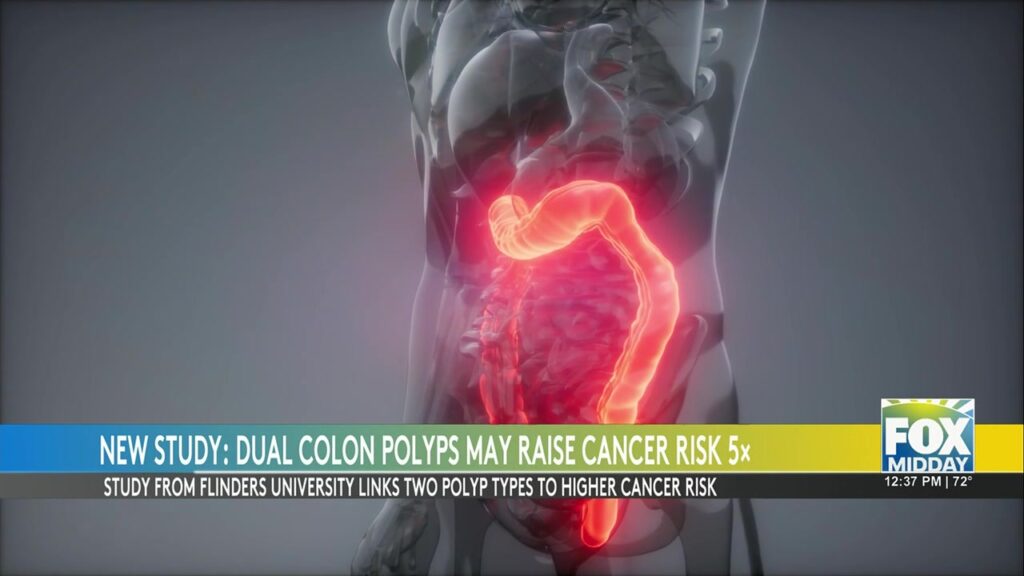
Colorectal cancer remains one of the most prevalent forms of cancer worldwide, necessitating continuous research and adaptation of screening practices. A groundbreaking study from Flinders University has contributed significantly to this field, discovering a more complex relationship between two types of polyps—adenomas and serrated polyps—and the risk of developing colorectal cancer. This study found that individuals with both types of polyps are at a significantly increased risk of serious precancerous changes, bringing invaluable insights into cancer prevention strategies.
The study, which reviewed over 8,400 colonoscopy records, suggests that people with both adenomas and serrated polyps face a nearly five-fold increased risk of cancer compared to those with only one type. These findings are crucial as they indicate the presence of dual pathways leading to cancer, emphasizing the importance of early detection and regular medical screenings.
Research Implications on Colorectal Cancer
The research conducted by Flinders University highlights the potentially dual pathways adenomas and serrated polyps represent in the progression to colorectal cancer. Adenomas are already well-known precursors to cancer, but this study shines renewed urgency on serrated polyps, which were once dismissed as less threatening. By demonstrating that these growths could independently, and even more perilously, in combination, lead to cancer, the study is reshaping our understanding of bowel cancer risks.
This advancement offers vital information for healthcare providers in developing more targeted screening protocols. The idea is that by acknowledging these separate pathways, screenings can be more accurately tailored to an individual’s specific risk factors. This may eventually enhance clinical treatment approaches, fostering a preventative model that could significantly reduce the number of colorectal cancer cases worldwide.
Importance of Preventative Screening
In light of these findings, it is more important than ever for individuals to adhere to recommended screening guidelines, particularly those over the age of 45 or with a family history of bowel diseases. The current standard involves regular colonoscopy screenings, which remain one of the most effective measures for early detection and removal of polyps before they become malignant. These screenings can potentially save lives by catching potential precursors to cancer in their earliest stages.
Doctors encourage patients to discuss their individual risks with healthcare providers to develop a personalized screening schedule. With more individuals potentially having a high-risk combination of adenomas and serrated polyps than previously thought, broadening awareness and access to screenings could significantly decrease the incidence of colorectal cancer.
Future Steps in Health Screening
Moving forward, health experts are considering how these research findings can be further expanded into public health practices. The potential shifts include not only refining screening strategies but also investigating other risk factors that might contribute to the development of colorectal cancer. By advancing personalized cancer prevention measures, public health initiatives can better address and diminish the burden of colorectal cancer.
Moreover, advancing technologies in medical screenings, like high-definition colonoscopies and genetic testing, provide further opportunities for early detection innovations. As research continues to unfold, healthcare policies may evolve to integrate these new approaches, enhancing prevention, early detection, and treatment options available to the public.
Additional Resources
For detailed information on colorectal cancer and screening recommendations, visit the National Cancer Institute.